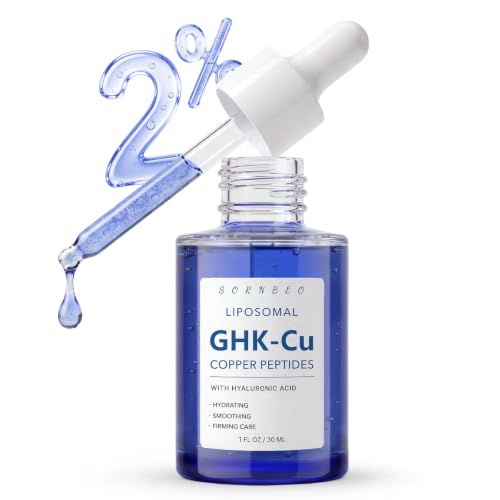
GHK-Cu (copper tripeptide-1) is a naturally occurring copper-binding peptide present in human plasma that declines with age. As a topical cosmetic ingredient, it is widely used in serums and creams for its proposed role in signaling skin repair processes such as collagen I and III, elastin, and glycosaminoglycan synthesis, as well as modulating genes involved in antioxidant defense and tissue regeneration.
The Cosmetic Ingredient Review (CIR) Expert Panel found copper tripeptide-1 and related GHK peptides safe at the low concentrations typical in cosmetics, which it put under 10 ppm[1]. No topical GHK-Cu product is FDA-approved to treat, cure, or prevent any disease. This guide focuses on affordable, beginner-friendly serums to help you start exploring this ingredient without a large upfront investment.
Key Takeaways
- A good budget GHK-Cu serum states its Copper Tripeptide-1 percentage and uses a stable, fragrance-free base.
- Water-based, airless-pump formulas with humectants offer the best versatility and preservation for beginners.
- Patch test, start with once-daily evening use, and allow 8–12 weeks for visible changes.
- Store in a cool, dark place; discard if the blue color fades or changes, a sign the formula has changed.
- GHK-Cu is a cosmetic ingredient, not a drug — it supports skin health but does not treat medical conditions.
What to Look for in a Budget GHK-Cu Serum
When shopping for an affordable GHK-Cu serum, the concentration of the peptide is the primary factor. Retail serums commonly state 1% or 2% GHK-Cu (often labeled as Copper Tripeptide-1), far above the 0.0000001% to 0.002% range recorded in the industry use survey behind the CIR safety review[1]. No dose-finding study has set an effective percentage for a cosmetic serum, and a 2025 review found a surprising absence of clinical studies of GHK-Cu in anti-wrinkle products[2]. A higher number is not evidence of a better result, so a lower-strength product is a sensible start while you learn how your skin tolerates it. A stated percentage tells you more than the peptide’s place on the ingredient list.
The base formulation matters as much as the active. Look for serums with humectants like glycerin, propanediol, or hyaluronic acid to support hydration, and avoid formulas loaded with drying alcohols or heavy fragrance, which can compromise the skin barrier and counteract the peptide’s benefits. Airless pump packaging helps by limiting exposure to air and light; a 2026 review lists oxygen ingress and light transmission among the packaging factors that affect the copper complex over a product’s shelf life[4].
Third-party testing or a Certificate of Analysis (CoA) from the brand adds confidence that the stated concentration is accurate and the product is free from heavy metal contamination. While not common at this price point, some brands publish batch-specific testing — prioritize those when available.
Common Formulation Types at This Price Point
Water-based serums are the most common format for budget GHK-Cu products. They absorb quickly, layer well under moisturizers and sunscreen, and suit oily or combination skin. These typically use a simple buffer system to hold a skin-friendly pH. In a preformulation study, the copper peptide stayed stable in buffers from pH 4.5 to 7.4 held at 60 °C for at least two weeks[3].
Some affordable options come as emulsions or lightweight lotions that include ceramides, cholesterol, and fatty acids to mimic the skin’s lipid barrier. These can be a good choice for dry or compromised skin, but they may feel heavier and could pill under makeup if not fully absorbed.
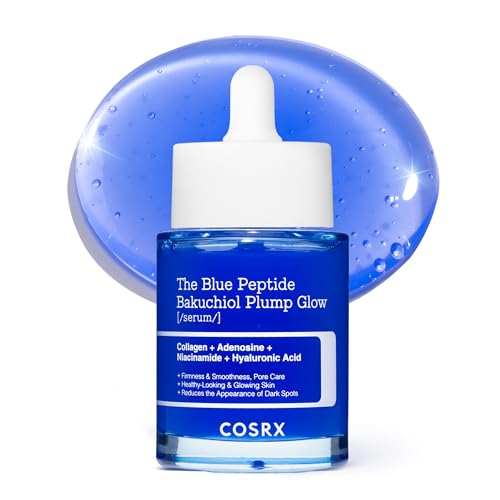
A few brands offer GHK-Cu in a silicone-based suspension (often dimethicone or cyclopentasiloxane). These provide a smooth, primer-like finish and can temporarily blur texture, but they do not deliver additional skin-repair ingredients. If your routine already includes a moisturizer, a water-based serum is usually more versatile.
How to Introduce GHK-Cu Into Your Routine
Start by applying the serum once daily, preferably in the evening, on clean, damp skin. A pea-sized amount is sufficient for the full face. Follow with a moisturizer to lock in hydration. If you use prescription retinoids, strong acids (like glycolic or salicylic), or vitamin C (L-ascorbic acid), alternate nights or apply them at different times of day to minimize potential irritation. Acidity itself is not the main stability concern: in laboratory stress tests GHK-Cu broke down under basic and oxidative conditions, and least under acid[3]. L-ascorbic acid is kept apart because it is a reducing agent, and reducing agents can change the oxidation state of the peptide’s copper[4].
Patch testing is recommended: apply a small amount behind the ear or on the inner forearm for three consecutive days. Discontinue if redness, itching, or stinging persists. Most people tolerate GHK-Cu well, but individual sensitivity varies.
Visible changes in skin texture, firmness, or fine lines typically require consistent use for 8–12 weeks. Take baseline photos in consistent lighting to track progress objectively. Remember that topical cosmetics support skin health but do not replace medical treatments for diagnosed conditions.
Value Picks (General Guidance)
Because specific product availability and pricing change frequently, this guide does not endorse individual brands. Instead, use the following checklist when evaluating options: (1) GHK-Cu concentration clearly stated, (2) water-based or light emulsion base with supportive humectants, (3) airless or opaque pump packaging, (4) fragrance-free or low-fragrance, (5) brand provides CoA or third-party test results upon request, (6) a cost per milliliter that compares favorably with other serums at the same stated GHK-Cu concentration.
Many reputable brands sell 30 mL (1 oz) serums that meet these criteria at the budget end of the category. Avoid products that list “copper peptides” generically without specifying GHK-Cu or Copper Tripeptide-1, as they may contain different, less-studied copper complexes. Also be cautious of “proprietary blends” that hide the actual peptide amount.
If a serum contains additional actives (niacinamide, peptides, ceramides), ensure they are at effective concentrations and not just label claims. A simple, well-formulated GHK-Cu serum is often a better starting point than a crowded multi-active formula at the same price.
Storage and Shelf-Life Tips
Copper peptides are susceptible to oxidation and hydrolysis. Store your serum in a cool, dark place — not in the bathroom where heat and humidity accelerate degradation. An airless pump minimizes air exposure; if your serum comes in a dropper bottle, replace the cap tightly after each use and consider transferring to an airless container for long-term storage.

Check the period-after-opening (PAO) symbol on the pack, an open jar printed with a number of months such as 6M or 12M. Discard the serum if the color shifts from its usual blue to green, brown, or colorless, or if the texture becomes watery or develops an off smell: the formula has changed. An unchanged color is not a complete check, because the copper can separate from the peptide in ways that appearance alone does not show[4].

Do not mix GHK-Cu serum in the same application with pure L-ascorbic acid, which is a reducing agent, or with products built around chelating agents such as EDTA: reducing agents can change the oxidation state of the copper, and chelators compete with the peptide for it[4]. Use them at different times of day.
When to Reassess or Upgrade
After 3–4 months of consistent use, evaluate whether the serum is meeting your expectations. If you experience persistent irritation, breakouts, or no visible improvement, consider switching to a different base formulation (e.g., from water-based to emulsion) or a brand with verified testing.
Moving to a product with complementary actives (like a peptide complex or barrier-supporting lipids) may suit you if your skin tolerates the ingredient well. A higher stated GHK-Cu percentage is not a proven route to better results, since clinical studies of GHK-Cu in anti-wrinkle products are largely absent[2]. These typically cost more than entry-level serums, so the budget phase helps confirm compatibility before investing more.
Consult a dermatologist if you have an active skin condition (eczema, rosacea, psoriasis) or are using prescription topicals, as they can advise on integration and monitor for interactions. Cosmetic peptides are supportive, not therapeutic, and should not replace prescribed treatments.
🛒 Where to Buy GHK-Cu (Copper Peptide)
- NIOD Copper Amino Isolate Serum 2:1 (CAIS 2:1)
liquid, 1-2 drops applied topically PM; can use AM for accelerated protocols — Premium copper peptide serum from the DECIEM NIOD line - The Ordinary Buffet + Copper Peptides 1%
liquid, 2-3 drops applied topically AM or PM after cleansing — Most accessible entry point; combines multi-technology peptide base with 1% copper tripeptide-1; ideal for first-time copper peptide users; widely available - Cosmetic Skin Solutions Copper Peptide Serum 2%
liquid, 2-3 drops applied to clean skin AM or PM — 2% copper peptide concentration at accessible price; strong Amazon reviews for post-procedure skin recovery; direct lab-to-consumer model keeps costs low - Skin Actives Scientific Copper Peptide Serum
liquid, 3-4 drops applied to face and neck AM or PM — Lab-direct brand with high-purity actives at competitive prices; transparent ingredient sourcing; popular with the DIY skincare and science-forward skincare community
As an Amazon Associate we earn from qualifying purchases. GHK-Cu quality depends on packaging and disclosure more than price. Choose an airless pump or sealed dropper rather than an open-top jar, and prefer a brand that states the actual peptide percentage on the label.

A Note on the Evidence
The CIR Expert Panel’s safety conclusion rests on typical use under 10 ppm. The skin irritation and sensitization tests it reviewed were run on palmitoylated GHK trade ingredients at parts-per-million levels, not on copper tripeptide-1 at the 1% or 2% many serums list, and it found no repeated-dose toxicity studies in the published literature[1]. GHK-Cu is not FDA-approved to treat, cure, or prevent any disease. Individuals with copper allergies, Wilson’s disease, or those using prescription topicals should consult a healthcare provider before adding copper peptides to their routine.
Frequently Asked Questions
Is a higher percentage of GHK-Cu always better?
Not necessarily. No effective percentage has been set for a cosmetic serum, and a 2025 review found clinical studies of GHK-Cu in anti-wrinkle products surprisingly absent[2]. A higher number on the label is not evidence of a better result and may increase irritation risk. Start with a lower-strength product and assess tolerance.
Can I use GHK-Cu serum with vitamin C?
Yes, but not in the same step. Apply vitamin C in the morning and GHK-Cu at night, or use them on alternate days. L-ascorbic acid is a reducing agent, and reducing agents can change the oxidation state of the copper held by the peptide[4].
Why is my GHK-Cu serum blue, and what if it turns green?
The blue color comes from the copper bound to the peptide. A shift to green, brown, or clear means the formula has changed, so replace the product. An unchanged color is not a complete check, because the copper can separate from the peptide in ways that appearance alone does not show[4].
Are cheap GHK-Cu serums from unknown brands safe?
Price alone doesn’t determine safety. Verify the brand discloses the exact peptide name (GHK-Cu or Copper Tripeptide-1), concentration, and ideally provides a Certificate of Analysis. Avoid products with vague ‘peptide blend’ labeling.
How long does a 30 mL bottle last with daily use?
At a pea-sized amount of 0.25 to 0.3 mL once a day, a 30 mL bottle lasts about 100 to 120 days, roughly 3 to 4 months. Frequency and coverage area affect exact duration.
Can GHK-Cu replace my retinoid or prescription treatment?
No. GHK-Cu is a cosmetic peptide that supports skin appearance; it does not treat acne, wrinkles, or medical conditions the way FDA-approved retinoids or other prescriptions do. Use it as a complement, not a substitute.
References
- Cosmetic Ingredient Review Expert Panel. Safety Assessment of Tripeptide-1, Hexapeptide-12, their Metal Salts and Fatty Acyl Derivatives, and Palmitoyl Tetrapeptide-7 as Used in Cosmetics. Final Report (2014); published in International Journal of Toxicology (2018). cir-safety.org
- Mortazavi SM, Mohammadi Vadoud SA, Moghimi HR. Topically applied GHK as an anti-wrinkle peptide: Advantages, problems and prospective. Bioimpacts (2025). PMID 39963574
- Badenhorst T, Svirskis D, Wu Z. Physicochemical characterization of native glycyl-l-histidyl-l-lysine tripeptide for wound healing and anti-aging: a preformulation study for dermal delivery. Pharmaceutical Development and Technology (2016). PMID 25384620
- Mateescu DM, Gavrilescu DM, Mincioaga RI, et al. GHK-Cu as a Bioactive Metallopeptide and Drug-Delivery Cargo: Coordination Chemistry, Formulation Science, Therapeutic Evidence, and a Translational Roadmap. Pharmaceutics (2026). PMID 42797253
These statements have not been evaluated by the Food and Drug Administration. This information is not intended to diagnose, treat, cure, or prevent any disease. Content is for informational purposes only and is not medical advice; consult a qualified healthcare provider before starting any supplement. As an Amazon Associate we earn from qualifying purchases.