GHK-Cu (copper tripeptide-1) is a naturally occurring peptide that declines with age and has attracted genuine scientific interest for its proposed role in signaling tissue repair, upregulating collagen and elastin synthesis, and supporting antioxidant defense when applied topically.[2] Unlike retinoids or exfoliating acids, it is generally well tolerated, which raises a reasonable question: does more frequent use mean better results, or is there a point of diminishing returns?
The honest answer is that no large, head-to-head clinical trial has compared daily versus every-other-day versus twice-daily GHK-Cu application in a way that settles the question definitively. What we can do is reason from the biology of how the ingredient is proposed to work, how cosmetic peptide formulations behave on skin, and what tolerability data exists, to arrive at a sensible practical answer for most people.
Key Takeaways
- Once-daily application of GHK-Cu serum, preferably in the evening, is a practical and well-supported starting frequency for most people.
- Every-other-day use is a sensible option for those with sensitive skin or those alternating with actives like retinoids.
- Twice-daily use is not unsafe but is not clearly superior to once-daily use based on available evidence.
- Keep GHK-Cu separated from vitamin C and retinoid formulations in the same application step to avoid degradation.
- Allow eight to twelve weeks of consistent use before evaluating whether the product is producing visible results.
What GHK-Cu Is Proposed to Do in Skin
GHK-Cu is a tripeptide (glycyl-L-histidyl-L-lysine) bound to a copper ion. It is found naturally in human plasma, saliva, and urine, and its concentration in blood plasma is estimated to decline from roughly 200 nanograms per milliliter at age 20 to under 80 nanograms per milliliter by age 60.[1] Researchers have proposed that one function of this molecule is to signal the body that tissue has been damaged and needs repair, triggering processes like collagen I and III production, elastin synthesis, glycosaminoglycan deposition, and antioxidant enzyme activity.
When delivered topically as a cosmetic ingredient, GHK-Cu is proposed to interact with skin fibroblasts and other cells in the dermis to encourage these same repair-signaling pathways. The Cosmetic Ingredient Review Expert Panel has assessed topical GHK-Cu as safe in the present practices of use and concentration in cosmetics, at use levels it recorded as typically under 10 ppm (about 0.001%). It is important to note, however, that topical cosmetic products containing GHK-Cu are not FDA-approved to treat, cure, or prevent any disease, and this article is informational, not medical advice.
Why Frequency Matters for a Signaling Peptide
Unlike occlusive moisturizers that simply sit on the surface, signaling peptides like GHK-Cu are proposed to work by binding to cell receptors and modulating gene expression. This means the relevant question is not just ‘how much gets on the skin’ but ‘how consistently is the signal being maintained.’ Biological signaling processes tend to be cyclical: fibroblasts upregulate collagen synthesis in response to a signal, synthesize collagen over days to weeks, and do not require an uninterrupted constant signal to keep working once triggered.
This biology suggests that daily application is a reasonable baseline, since it keeps the signaling molecule available at the skin surface and in the uppermost layers of the epidermis throughout the period when fibroblasts may be responding to the previous application. It does not strongly suggest that twice-daily application is necessary for the signaling mechanism to function, though twice-daily use is not known to cause harm in most people.
Daily Use: The Most Common Starting Point
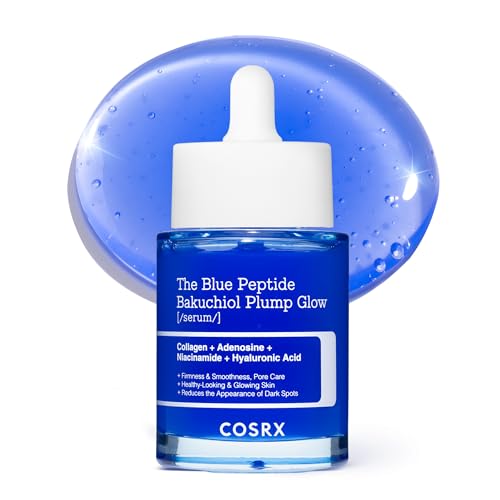
For most people with normal to dry or combination skin who have no known sensitivity to copper or peptide formulations, once-daily application is the most practical and evidence-aligned starting frequency. Applied to clean skin before a moisturizer, a GHK-Cu serum can deliver a consistent supply of the peptide to the skin surface. Many formulas are designed for evening use because some contain additional antioxidants that can be photosensitized, and because the skin’s repair processes are generally more active during sleep.
Daily use is also easy to sustain as a habit, which matters because collagen remodeling is a slow process measured in weeks to months. Inconsistent use makes it difficult to assess whether a product is working or not. If you are new to GHK-Cu, starting with once-daily application in the evening for four to eight weeks before evaluating results is a sensible approach.
Every Other Day: A Reasonable Option for Sensitive Skin
GHK-Cu is not an exfoliant and does not typically cause the irritation associated with retinoids or alpha hydroxy acids. Nonetheless, some individuals with very reactive or compromised skin barriers may prefer to introduce any new active ingredient gradually. Every-other-day use during an initial two-week introduction period is a low-risk way to confirm your skin tolerates the formulation before committing to daily application.
For those who layer GHK-Cu with other actives such as retinol, niacinamide, or vitamin C, alternating days can also reduce the total ingredient load on the skin on any given evening. If you use a retinoid three nights per week, for instance, you might use GHK-Cu on the other nights. There is no established evidence that every-other-day GHK-Cu produces meaningfully weaker results than daily use, particularly if the overall routine is well-designed.
AM vs. PM: Does the Time of Day Matter?
There is no published evidence specifically demonstrating that GHK-Cu performs better in the morning versus the evening. From a formulation and skin-biology standpoint, a few practical considerations apply. In the morning, GHK-Cu layered under a broad-spectrum SPF 30 or higher sunscreen is generally fine, as the peptide itself is not known to be a photosensitizer. However, if the serum is formulated with antioxidants that are light-sensitive (ascorbic acid, for example), following the product’s storage and use instructions matters more than the time of day.
Evening application has a soft argument in its favor: transepidermal absorption of topical actives may be modestly higher at night when skin temperature is slightly elevated and you are not applying sunscreen or makeup on top, which can dilute or physically block a serum. Additionally, the skin’s own circadian repair cycle is weighted toward nighttime. These are small factors, and if your routine makes morning application more consistent, morning use is entirely appropriate.

Twice-daily application (AM and PM) is used by some people and is not considered unsafe by the Cosmetic Ingredient Review. However, given the cost of quality GHK-Cu serums and the lack of evidence that doubling application frequency produces proportionally better outcomes, most people will find once-daily use both practical and adequate.

Layering GHK-Cu With Other Actives
Copper peptides and certain other actives have a well-documented incompatibility: copper ions can interact with and degrade vitamin C (ascorbic acid) and certain retinoid formulations when mixed together in the same application step. This does not mean you cannot use these ingredients in the same routine, but it does mean you should separate them. A common approach is to use GHK-Cu in the evening and vitamin C in the morning, or to allow a 20-30 minute gap between applications if both are used at night.
Niacinamide, hyaluronic acid, ceramides, and peptide moisturizers are generally considered compatible with GHK-Cu. Layering GHK-Cu under a ceramide-based moisturizer is a well-tolerated and popular approach that also supports the skin barrier while the peptide works in deeper layers.
How Long Before You See Results?
Collagen synthesis and skin remodeling are not fast processes. Even in ideal conditions, meaningful changes in skin firmness or texture from a topical collagen-signaling ingredient are unlikely to be visible before eight to twelve weeks of consistent use. This timeline is consistent with the general understanding of the skin’s natural collagen turnover cycle, which takes roughly 40-80 days in younger skin and longer as we age.
Expecting dramatic results within two weeks, or abandoning a well-formulated product after a month, is premature. Photographs taken in consistent lighting every four weeks are a more reliable way to assess change than daily mirror checks. Be patient, be consistent, and be realistic: a topical cosmetic can support the skin’s own processes, but cannot replicate the collagen density of younger skin or reverse decades of photoaging in a few weeks.
🛒 Where to Buy GHK-Cu (Copper Peptide)
- NIOD Copper Amino Isolate Serum 2:1 (CAIS 2:1)Lab-tested / studied
liquid, 1-2 drops applied topically PM; can use AM for accelerated protocols — Flagship high-concentration copper peptide serum from DECIEM; proprietary copper complex delivery at elevated percentage; best-in-class premium benchmark - The Ordinary Buffet + Copper Peptides 1%
liquid, 2-3 drops applied topically AM or PM after cleansing — Most accessible entry point; combines multi-technology peptide base with 1% copper tripeptide-1; ideal for first-time copper peptide users; widely available - Cosmetic Skin Solutions Copper Peptide Serum 2%
liquid, 2-3 drops applied to clean skin AM or PM — 2% copper peptide concentration at accessible price; strong Amazon reviews for post-procedure skin recovery; direct lab-to-consumer model keeps costs low - Skin Actives Scientific Copper Peptide Serum
liquid, 3-4 drops applied to face and neck AM or PM — Lab-direct brand with high-purity actives at competitive prices; transparent ingredient sourcing; popular with the DIY skincare and science-forward skincare community
As an Amazon Associate we earn from qualifying purchases. GHK-Cu quality depends on packaging and disclosure more than price. Choose an airless pump or sealed dropper rather than an open-top jar, and prefer a brand that states the actual peptide percentage on the label.

A Note on the Evidence
The research on topical GHK-Cu, while promising, is largely based on in vitro (cell culture) and small human studies; large, long-term randomized controlled trials are limited. People who are pregnant, breastfeeding, or have a diagnosed copper metabolism disorder (such as Wilson’s disease) should consult a physician before using copper-containing topical products.
Frequently Asked Questions
Can I use GHK-Cu every day without it losing effectiveness?
There is no established evidence of tolerance or tachyphylaxis (diminishing response) with daily topical GHK-Cu use. Unlike some topical actives, peptides are not thought to downregulate their own receptors with consistent use. Daily application is considered appropriate and is the most common recommendation from formulators.

Is it safe to use GHK-Cu morning and night?
The Cosmetic Ingredient Review Expert Panel has rated topical GHK-Cu safe in the present practices of use and concentration in cosmetics, at use levels it recorded as typically under 10 ppm (about 0.001%), and twice-daily use is not known to cause adverse effects in most people. That said, there is no strong evidence that doubling the frequency doubles the benefit, so once daily is sufficient for most users.
Can I mix GHK-Cu with vitamin C serum?
Copper ions can oxidize and degrade ascorbic acid (vitamin C), reducing the effectiveness of both ingredients. It is better to use them at different times of day, for example vitamin C in the morning and GHK-Cu in the evening, rather than mixing or layering them back-to-back.
How do I know if GHK-Cu is working?
Skin collagen remodeling is slow. Take photographs in consistent lighting at weeks 0, 4, 8, and 12 to track changes in texture, firmness, or fine line appearance. Day-to-day mirror checks are not reliable for detecting gradual change.
Do I need to apply GHK-Cu to clean skin?
Yes. Applying GHK-Cu to clean, dry or slightly damp skin before heavier moisturizers and oils gives the peptide the best opportunity to contact the skin surface without being diluted or blocked by other products. Cleanse first, apply the serum, allow it to absorb briefly, then layer your moisturizer.
Is GHK-Cu a replacement for sunscreen?
No. GHK-Cu is proposed to support collagen synthesis and antioxidant defense, but it does not absorb or block UV radiation. Daily broad-spectrum SPF 30 or higher sunscreen remains the single most evidence-supported topical step for preventing photoaging, and GHK-Cu should be used alongside sunscreen, not instead of it.
References
- The potential of GHK as an anti-aging peptide. Aging Pathobiology and Therapeutics (2020). PMID 35083444
- The human tri-peptide GHK and tissue remodeling. Journal of Biomaterials Science, Polymer Edition (2008). PMID 18644225 (authors affiliated with Skin Biology, a company that sells copper-peptide products)
These statements have not been evaluated by the Food and Drug Administration. This information is not intended to diagnose, treat, cure, or prevent any disease. Content is for informational purposes only and is not medical advice; consult a qualified healthcare provider before starting any supplement. As an Amazon Associate we earn from qualifying purchases.
