GHK-Cu (copper tripeptide-1) and epidermal growth factor (EGF) are both widely used in cosmetic formulations marketed for skin renewal and anti-aging. While they share a broad category of ‘regenerative’ ingredients, their origins, molecular structures, and proposed mechanisms of action differ significantly.
This article examines the key distinctions between GHK-Cu and EGF, including how each is thought to interact with skin biology, their regulatory status as cosmetic ingredients, and practical considerations for consumers evaluating products containing these actives.
Key Takeaways
- GHK-Cu is a small copper-binding peptide; EGF is a larger recombinant protein — their size dictates penetration and target cells.
- GHK-Cu broadly modulates genes for matrix synthesis and antioxidant defense; EGF specifically stimulates epidermal cell proliferation via EGFR.
- Both are cosmetic ingredients, not drugs; neither is FDA-approved to treat disease. Safety is established for topical cosmetic use at current concentrations.
- Formulation stability differs: GHK-Cu is relatively robust; EGF requires protective delivery systems.
- They can be used together or sequentially, but clinical evidence for the combination is lacking. Introduce slowly and use sunscreen.
What Is GHK-Cu?
GHK-Cu is a naturally occurring copper-binding peptide (glycyl-L-histidyl-L-lysine complexed with copper II) first isolated from human plasma. Levels of this peptide decline with age.[1] In cosmetic chemistry, it is synthesized for use in topical serums and creams. The Cosmetic Ingredient Review (CIR) Expert Panel has assessed GHK-Cu and concluded it is safe in the present practices of use and concentration in cosmetics, at use levels it recorded as typically under 10 ppm (about 0.001%).
As a topical cosmetic ingredient, GHK-Cu is not a drug and is not FDA-approved to treat, cure, or prevent any disease. It is used exclusively in leave-on and rinse-off cosmetic products. Its proposed cosmetic benefits center on supporting the skin’s natural matrix by influencing the expression of genes associated with collagen, elastin, and glycosaminoglycan production, as well as antioxidant pathways.[3]
What Is Epidermal Growth Factor (EGF)?
Epidermal growth factor is a signaling protein (polypeptide) that plays a role in cell growth, proliferation, and differentiation. It was originally discovered in mouse salivary glands and later found in human tissues, including saliva and urine. In skincare, EGF used in cosmetics is typically produced via recombinant DNA technology in yeast, bacteria, or plant systems (such as barley) to create a bioidentical version of the human protein.
Like GHK-Cu, topical EGF is regulated as a cosmetic ingredient, not a drug. It is not FDA-approved for the treatment of any skin condition. Its cosmetic use is based on its known biological role in stimulating keratinocyte and fibroblast activity, which theoretically supports skin barrier renewal and thickness. The safety of recombinant EGF in cosmetics has been reviewed by the CIR, which found it safe as used in current formulations.
Mechanistic Differences: Peptide vs. Growth Factor
GHK-Cu is a small tripeptide (three amino acids) complexed with a copper ion. Its low molecular weight allows it to penetrate the stratum corneum more readily than large proteins.[2] Once in the skin, it is proposed to act as a signaling molecule that modulates gene expression — upregulating genes involved in tissue repair, antioxidant defense, and extracellular matrix synthesis, while downregulating genes associated with inflammation and fibrosis.
EGF is a much larger protein (53 amino acids, ~6.2 kDa). Its ability to penetrate intact skin is limited; it primarily interacts with its specific receptor (EGFR) on the surface of epidermal cells, particularly keratinocytes. Binding triggers intracellular signaling cascades (such as MAPK/ERK and PI3K/Akt pathways) that drive cell division, migration, and survival. Because of its size, delivery systems (liposomes, microneedling adjuncts) are often employed in formulations to enhance bioavailability.
Target Cells and Primary Actions
GHK-Cu appears to have a broad genomic profile, affecting fibroblasts (collagen, elastin, GAG synthesis), endothelial cells (angiogenesis), and immune cells (anti-inflammatory signaling). Its copper moiety also contributes to the activity of copper-dependent enzymes like lysyl oxidase (cross-linking collagen/elastin) and superoxide dismutase (antioxidant defense).
EGF’s primary target in skin is the epidermal keratinocyte, driving proliferation and migration — key processes in re-epithelialization and barrier repair. It also stimulates fibroblasts indirectly via keratinocyte-derived mediators. Its action is more narrowly focused on epidermal turnover and thickness rather than dermal matrix remodeling per se.
Formulation Considerations and Stability
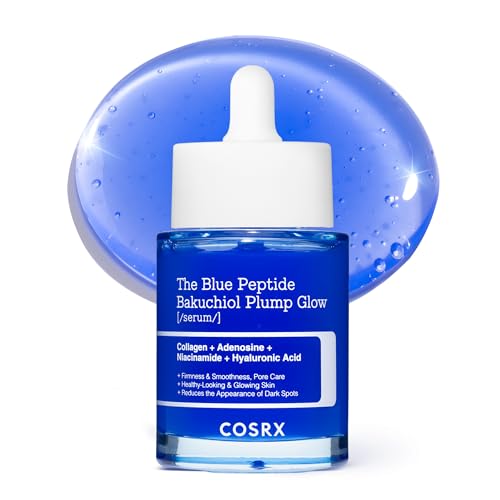
GHK-Cu is relatively stable in aqueous solutions at neutral to slightly acidic pH. The copper ion gives the peptide a characteristic blue color, which can be a visual indicator of authenticity. It is compatible with many common cosmetic ingredients but can be destabilized by strong oxidants, high concentrations of chelating agents (like EDTA), or low pH (<3.5) which may release free copper.
Recombinant EGF is a protein and thus more fragile: it is sensitive to heat, extreme pH, proteolytic enzymes, and mechanical shear. Formulators often encapsulate EGF in liposomes or use airless packaging to preserve bioactivity. The concentration of EGF in cosmetics is typically very low (nanogram to microgram per gram range) due to its high specific activity and cost.
Regulatory Status and Safety Profile
Both ingredients are classified as cosmetics in the US, EU, and most major markets when used topically in leave-on products. Neither is approved as a drug for skin conditions. The CIR has reviewed safety data for both: GHK-Cu (as copper tripeptide-1) and recombinant human EGF (rh-EGF) and found them safe as currently used. Reported adverse events are rare and generally limited to mild, transient irritation or allergic contact dermatitis in sensitive individuals.

Important caveat: Injectable or compounded versions of these substances fall under different regulatory frameworks and are not cosmetic products. Consumers should only use topical cosmetic products purchased from reputable sources. Individuals with copper metabolism disorders (e.g., Wilson’s disease) or active skin infections should consult a healthcare provider before using GHK-Cu. Those with a history of skin cancer or precancerous lesions should discuss EGF use with a dermatologist, given its proliferative mechanism.
Practical Use: Can They Be Combined?
There is no known chemical incompatibility between GHK-Cu and EGF in a formulation. Some brands combine them, theorizing complementary actions: GHK-Cu supporting dermal matrix and antioxidant defense, while EGF drives epidermal renewal. However, no clinical trials on the combination have been published in the peer-reviewed literature.
If using separate products, apply the thinner, water-based serum first (often EGF), followed by the GHK-Cu product (often a blue serum or cream). Both are typically used once or twice daily. As with any active ingredient, introduce one at a time to monitor tolerance. Sunscreen use is essential during the day, as both ingredients may increase skin sensitivity to UV radiation indirectly through increased turnover or repair activity.
🛒 Where to Buy GHK-Cu (Copper Peptide)
- NIOD Copper Amino Isolate Serum 2:1 (CAIS 2:1)Lab-tested / studied
liquid, 1-2 drops applied topically PM; can use AM for accelerated protocols — Flagship high-concentration copper peptide serum from DECIEM; proprietary copper complex delivery at elevated percentage; best-in-class premium benchmark - The Ordinary Buffet + Copper Peptides 1%
liquid, 2-3 drops applied topically AM or PM after cleansing — Most accessible entry point; combines multi-technology peptide base with 1% copper tripeptide-1; ideal for first-time copper peptide users; widely available - Cosmetic Skin Solutions Copper Peptide Serum 2%
liquid, 2-3 drops applied to clean skin AM or PM — 2% copper peptide concentration at accessible price; strong Amazon reviews for post-procedure skin recovery; direct lab-to-consumer model keeps costs low - Skin Actives Scientific Copper Peptide Serum
liquid, 3-4 drops applied to face and neck AM or PM — Lab-direct brand with high-purity actives at competitive prices; transparent ingredient sourcing; popular with the DIY skincare and science-forward skincare community
As an Amazon Associate we earn from qualifying purchases. GHK-Cu quality depends on packaging and disclosure more than price. Choose an airless pump or sealed dropper rather than an open-top jar, and prefer a brand that states the actual peptide percentage on the label.

A Note on the Evidence
This content is informational and not medical advice. Topical GHK-Cu and EGF are cosmetic ingredients, not treatments for medical conditions. Individual responses vary; patch test new products. Consult a healthcare provider if you have copper metabolism disorders, active skin disease, or a history of skin cancer.
Frequently Asked Questions
Is GHK-Cu the same as copper peptides?
GHK-Cu is a specific copper peptide (copper tripeptide-1). Other copper peptides exist (e.g., AHK-Cu), but GHK-Cu is the most studied in cosmetic literature.
Is EGF derived from human cells in cosmetics?
No. Cosmetic EGF is produced recombinantly in microorganisms (yeast, E. coli) or plants (barley) to be bioidentical to human EGF. It is not sourced from human tissue.
Can GHK-Cu or EGF cause cancer?
No topical cosmetic ingredient is approved to treat or prevent cancer. EGF stimulates cell proliferation; theoretical concerns exist for pre-existing malignant lesions, but no causal link has been established from cosmetic use. Consult a dermatologist if you have a history of skin cancer.
Why is GHK-Cu blue?
The copper(II) ion coordinated by the tripeptide gives GHK-Cu its characteristic blue color. This is a normal property of the copper-peptide complex.
Do I need microneedling for EGF to work?
Microneedling can enhance penetration of large molecules like EGF, but many cosmetic EGF products use liposomal encapsulation to improve delivery without devices. Efficacy of non-invasive EGF products varies by formulation.
Can I use GHK-Cu and vitamin C together?
Yes, but vitamin C (ascorbic acid) is a reducing agent and can theoretically reduce Cu(II) to Cu(I), altering the peptide’s structure. Many formulators recommend applying them at different times of day (e.g., vitamin C AM, GHK-Cu PM) or using a stable vitamin C derivative.
References
- The potential of GHK as an anti-aging peptide. Aging Pathobiology and Therapeutics (2020). PMID 35083444
- Topically applied GHK as an anti-wrinkle peptide: Advantages, problems and prospective. BioImpacts (2025). PMID 39963574
- The human tri-peptide GHK and tissue remodeling. Journal of Biomaterials Science, Polymer Edition (2008). PMID 18644225 (authors affiliated with Skin Biology, a company that sells copper-peptide products)
These statements have not been evaluated by the Food and Drug Administration. This information is not intended to diagnose, treat, cure, or prevent any disease. Content is for informational purposes only and is not medical advice; consult a qualified healthcare provider before starting any supplement. As an Amazon Associate we earn from qualifying purchases.
