GHK-Cu, or copper tripeptide-1 (glycyl-L-histidyl-L-lysine copper II), is a naturally occurring peptide found in human plasma, saliva, and urine. Plasma concentrations are highest in youth and decline significantly with age, a pattern that has driven scientific interest in whether replenishing it externally could support skin health. When formulated as a topical cosmetic ingredient, GHK-Cu appears in serums, creams, and eye treatments sold by dozens of brands.
Despite the growing popularity of GHK-Cu in skincare, there is meaningful confusion in online communities between topical cosmetic products and injectable or compounded ‘research peptides’ sold through gray-market channels. These are not the same thing, and the distinction matters for both safety and legality. This article explains what GHK-Cu cosmetic serums are, what the proposed science suggests, and where the evidence honestly stands.
Key Takeaways
- GHK-Cu (copper tripeptide-1) is a naturally occurring peptide that declines with age and is used as a topical cosmetic ingredient in serums and creams.
- The Cosmetic Ingredient Review Panel has found it safe in the present practices of use and concentration in cosmetics, at use levels it recorded as typically under 10 ppm (about 0.001%), not at the percentages on serum labels.
- Proposed mechanisms include upregulating collagen I and III, elastin, and antioxidant enzymes — but most supporting data comes from cell cultures and small human studies, not large independent clinical trials.
- Topical cosmetic GHK-Cu serums are legally and scientifically distinct from injectable or compounded ‘research peptides,’ which are not evaluated or approved for human use.
- No topical GHK-Cu product is FDA-approved to treat, cure, or prevent any skin disease or medical condition.
What GHK-Cu Is and Where It Comes From
GHK-Cu is a tripeptide — three amino acids (glycine, histidine, lysine) bound together — that naturally chelates, or binds, copper ions. It was first isolated from human plasma in 1973 and has since been detected in other biological fluids. In the body, copper is an essential trace mineral involved in collagen cross-linking, antioxidant enzyme function, and wound healing. The tripeptide acts as a copper-delivery vehicle, and researchers have proposed that this copper-binding activity is central to its biological effects.
Plasma GHK-Cu levels are estimated to be relatively high in young adults and fall substantially by midlife, which has led to the hypothesis that declining GHK-Cu contributes to the visible signs of skin aging. This hypothesis, while plausible and actively studied, remains a proposed mechanism rather than an established clinical fact. The peptide can be synthesized in a laboratory at high purity, which is how it enters cosmetic formulations.
Proposed Mechanisms: How GHK-Cu May Support Skin
Laboratory and cell-culture studies have proposed several mechanisms by which GHK-Cu could benefit skin. Chief among them is upregulation of collagen synthesis — specifically collagen types I and III, which are the primary structural proteins in the dermis. Researchers have also proposed that GHK-Cu may stimulate elastin production, support glycosaminoglycan synthesis (the hydrating matrix proteins like hyaluronic acid), and promote the activity of antioxidant enzymes such as superoxide dismutase and catalase.
A particularly striking claim in the GHK-Cu literature is that the peptide may modulate the expression of a very large number of human genes — some estimates suggest over 4,000 — including genes involved in tissue remodeling, inflammation control, and stem cell activity. These claims originate primarily from gene-expression analyses, not from large clinical trials, and the translation from gene-expression changes to measurable skin improvement in living humans has not been fully established.
It is worth noting that the concentrations used in laboratory studies are not always achievable in a finished cosmetic product, and skin penetration by larger peptide molecules is an ongoing challenge for formulators. How much GHK-Cu actually reaches the dermis through intact skin after topical application is an active area of formulation research, and results vary by delivery system.
GHK-Cu as a Cosmetic Ingredient: Regulatory Status and Safety
In the United States and the European Union, GHK-Cu is classified as a cosmetic ingredient, not a drug. This distinction is critical. A cosmetic ingredient is intended to affect the appearance of the skin; a drug is intended to treat, cure, or prevent a disease. Cosmetic products containing GHK-Cu make no disease claims and are not FDA-approved to reverse any medical condition.
The Cosmetic Ingredient Review (CIR) Expert Panel, an independent scientific body that evaluates the safety of cosmetic ingredients for the personal care industry, has assessed copper tripeptide-1 and found it safe in the present practices of use and concentration in cosmetics. The use concentrations the Panel recorded were typically under 10 ppm (about 0.001%), which is far below the strengths commonly found in commercial serums. Reported adverse events from topical use are rare, though individuals with copper sensitivity or compromised skin barrier function should exercise caution.
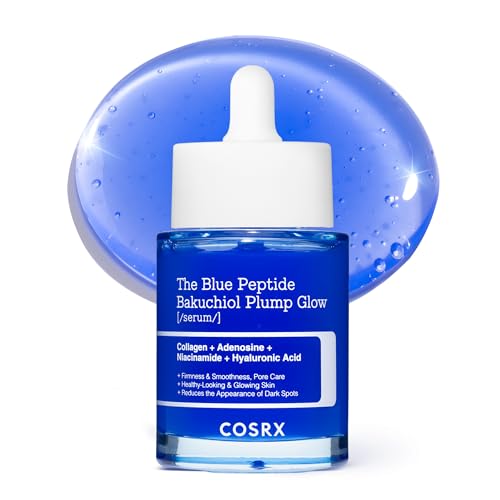
Topical cosmetic GHK-Cu products are widely available from skincare brands online and in retail stores. They are generally formulated as lightweight serums or moisturizers with GHK-Cu as one of several active ingredients, often alongside niacinamide, retinoids, or hyaluronic acid. These are legal consumer products with established manufacturing and labeling standards.
Research Peptides: A Completely Different Category
Separate from the cosmetic market, GHK-Cu also appears in discussions about ‘research peptides’ — synthesized compounds sold online, often through domestic or international suppliers, explicitly labeled ‘for research use only’ and not for human consumption. These products are not cosmetics, not dietary supplements, and not approved pharmaceuticals. They exist in a legally ambiguous space and are sometimes purchased by individuals who self-administer them via injection or other non-topical routes.
It is important to be unambiguous: injectable or compounded GHK-Cu administered outside a licensed medical setting is not the same as a topical cosmetic serum, and nothing in this article should be read as endorsing, encouraging, or providing guidance on such use. The safety profile established for topical cosmetic use does not automatically extend to parenteral administration, and the purity, sterility, and dosing of gray-market research peptides cannot be verified by the consumer.
If you have encountered content promoting GHK-Cu injections for anti-aging purposes outside a clinical context, that content is operating in a space well beyond what cosmetic ingredient science supports or what regulatory agencies have evaluated.
What Clinical Evidence Exists for Topical GHK-Cu Serums
The honest summary of the clinical evidence for topical GHK-Cu is that it is encouraging but limited. Most human studies involve small sample sizes, short durations, and lack independent replication. Some published trials have reported improvements in skin texture, firmness, fine line appearance, and wound healing rates, but these studies are frequently industry-funded, use GHK-Cu in multi-ingredient formulas, and do not isolate the peptide’s contribution from other actives.

The published record is short enough to summarize plainly. A 2026 systematic review of GHK-Cu in aesthetic medicine found 20 eligible studies, 18 preclinical and 2 randomized controlled trials, with the clinical work reporting reduced wrinkle volume and depth against controls[1]. A 2025 review of GHK as a topical anti-wrinkle peptide noted a surprising absence of clinical studies on the cosmetic forms actually sold[2]. The underlying cell work includes a measured rise in collagen I, IV and VII when GHK-Cu is applied to human dermal fibroblasts[3]. What can be said accurately is that the mechanistic science — primarily from cell cultures and animal models — provides a plausible rationale for GHK-Cu’s cosmetic benefits, and that the available human data is generally positive in direction, even if not yet definitive in magnitude. Consumers should weigh this honestly: plausible and promising is not the same as proven.
For those considering a GHK-Cu cosmetic serum, looking for independent clinical trial data, full ingredient transparency, and realistic claims from the manufacturer is a reasonable standard to apply. Products that make disease-level claims — ‘reverses aging,’ ‘repairs damaged DNA,’ ‘cures rosacea’ — are making statements that go beyond what cosmetic classification permits and beyond what the evidence supports.
How to Evaluate a GHK-Cu Cosmetic Product
Not all GHK-Cu serums are equivalent. The peptide is synthesized at varying purities and used at varying concentrations. Formulators generally target concentrations in the range of 0.1% to 2%, though optimal topical concentration for human skin has not been definitively established in large clinical trials. Higher concentration does not automatically mean better results if the delivery system does not support dermal penetration.
Look for products that list copper tripeptide-1 (the INCI name) transparently on the ingredient label, that are manufactured under Good Manufacturing Practice (GMP) standards, and that make measured, cosmetic-appropriate claims rather than disease claims. Packaging matters: GHK-Cu can degrade when exposed to light and air, so opaque, airless pump packaging is preferable to open jars.
Patch testing before full-face application is a reasonable precaution, particularly for individuals with sensitive skin, active eczema, or rosacea. A dermatologist or licensed esthetician can help contextualize whether GHK-Cu fits appropriately into an existing skincare routine alongside retinoids, acids, or other actives.
🛒 Where to Buy GHK-Cu (Copper Peptide)
- NIOD Copper Amino Isolate Serum 2:1 (CAIS 2:1)Lab-tested / studied
liquid, 1-2 drops applied topically PM; can use AM for accelerated protocols — Flagship high-concentration copper peptide serum from DECIEM; proprietary copper complex delivery at elevated percentage; best-in-class premium benchmark - The Ordinary Buffet + Copper Peptides 1%
liquid, 2-3 drops applied topically AM or PM after cleansing — Most accessible entry point; combines multi-technology peptide base with 1% copper tripeptide-1; ideal for first-time copper peptide users; widely available - Cosmetic Skin Solutions Copper Peptide Serum 2%
liquid, 2-3 drops applied to clean skin AM or PM — 2% copper peptide concentration at accessible price; strong Amazon reviews for post-procedure skin recovery; direct lab-to-consumer model keeps costs low - Skin Actives Scientific Copper Peptide Serum
liquid, 3-4 drops applied to face and neck AM or PM — Lab-direct brand with high-purity actives at competitive prices; transparent ingredient sourcing; popular with the DIY skincare and science-forward skincare community
As an Amazon Associate we earn from qualifying purchases. GHK-Cu quality depends on packaging and disclosure more than price. Choose an airless pump or sealed dropper rather than an open-top jar, and prefer a brand that states the actual peptide percentage on the label.

A Note on the Evidence
The evidence base for topical GHK-Cu is largely composed of small or industry-funded studies and laboratory data; independent large-scale clinical trials are limited, so claims about magnitude of benefit should be interpreted with appropriate skepticism. Individuals who are pregnant, breastfeeding, managing an active skin condition, or taking medications that affect copper metabolism should consult a physician or dermatologist before adding a GHK-Cu serum to their routine.
Frequently Asked Questions
Is GHK-Cu safe to use in a topical serum?
The Cosmetic Ingredient Review Expert Panel has assessed copper tripeptide-1 and concluded it is safe as used in cosmetic formulations. Adverse events from topical use are uncommon, but individuals with copper sensitivity or a compromised skin barrier should patch test first and consult a dermatologist if uncertain.
What is the difference between a GHK-Cu serum and a GHK-Cu research peptide?
A GHK-Cu cosmetic serum is a legal consumer product formulated for topical skin application, subject to cosmetic safety regulations and CIR review. A ‘research peptide’ sold online is a compound in an unregulated gray market, not intended for human use, not evaluated for purity or sterility, and potentially administered by injection — a completely different and unevaluated context.
Does GHK-Cu actually increase collagen in human skin?
Cell-culture and animal studies have proposed that GHK-Cu upregulates collagen types I and III synthesis, and some small human trials report improvements in skin firmness and texture. However, large, independent, placebo-controlled human clinical trials are lacking, so the evidence is promising but not yet definitive.
Can GHK-Cu treat rosacea, eczema, or other skin conditions?
No topical GHK-Cu product is FDA-approved to treat any skin condition. Some researchers have explored its anti-inflammatory properties in early-stage studies, but making disease-treatment claims for cosmetic GHK-Cu products is not legally or scientifically supported. Anyone managing a skin condition should work with a licensed dermatologist.
How should I use a GHK-Cu serum in my routine?
GHK-Cu serums are typically applied to clean, dry skin before heavier moisturizers. They are generally considered compatible with most other skincare actives, though introducing any new ingredient gradually is sensible. Because GHK-Cu can degrade with light and air exposure, products in opaque, airless pump packaging tend to be more stable.
Is GHK-Cu the same as copper peptide?
GHK-Cu is the most studied and widely used copper peptide in cosmetics and is often what brands mean when they say ‘copper peptide.’ Other copper-binding peptides exist, but GHK-Cu (glycyl-L-histidyl-L-lysine copper II) is the specific compound with the most research background and the clearest CIR safety assessment for cosmetic use.
References
- Mokhtar J et al. The Regenerative Potential of GHK-Cu in Aesthetic Medicine. Aesthetic surgery journal (2026). PMID 42619529
- Mortazavi SM et al. Topically applied GHK as an anti-wrinkle peptide: Advantages, problems and prospective. BioImpacts : BI (2025). PMID 39963574
- Jiang F et al. Synergy of GHK-Cu and hyaluronic acid on collagen IV upregulation via fibroblast and ex-vivo skin tests. Journal of cosmetic dermatology (2023). PMID 37062921
These statements have not been evaluated by the Food and Drug Administration. This information is not intended to diagnose, treat, cure, or prevent any disease. Content is for informational purposes only and is not medical advice; consult a qualified healthcare provider before starting any supplement. As an Amazon Associate we earn from qualifying purchases.
