Acne scars and the brownish-red marks that linger after a breakout are among the most frustrating skin concerns people deal with long after the active inflammation is gone. Post-inflammatory hyperpigmentation (PIH) and atrophic scarring both result from disrupted repair processes in the dermis, which is precisely why some researchers and formulators have turned their attention to GHK-Cu, a copper-binding tripeptide that is naturally present in human plasma and is proposed to influence tissue remodeling at the cellular level.
GHK-Cu (glycyl-L-histidyl-L-lysine copper II) is used as a topical cosmetic ingredient in serums and creams. It is not an injectable, a drug, or a compounded research peptide, and no topical GHK-Cu product is FDA-approved to treat, cure, or prevent any disease. What follows is an honest, evidence-grounded look at what GHK-Cu is, why it has attracted interest in the context of scarring, and what realistic expectations look like when adding it to a skincare routine.
Key Takeaways
- GHK-Cu is a naturally occurring copper-binding tripeptide that declines with age and is proposed to support skin remodeling by stimulating collagen, elastin, and glycosaminoglycan synthesis while modulating antioxidant defenses.
- The mechanistic case for GHK-Cu in post-acne remodeling is scientifically coherent based on available research, but large-scale clinical trials specifically targeting acne scars are lacking.
- GHK-Cu works best as a long-term supportive ingredient; skin remodeling is slow and results, if any, require consistent use over months rather than weeks.
- Copper peptides should generally be used separately from vitamin C and strong exfoliating acids to avoid potential formulation interactions.
- Deep structural acne scars typically require dermatological procedures; topical GHK-Cu is not a substitute for professional scar treatment.
What Is GHK-Cu and Where Does It Come From?
GHK-Cu is a naturally occurring tripeptide made up of three amino acids: glycine, histidine, and lysine. It naturally forms a stable complex with copper (II) ions and is found in human plasma, saliva, and urine. Plasma concentrations are highest in early adulthood and decline significantly with age, dropping from roughly 200 nanograms per milliliter at age 20 to around 80 nanograms per milliliter by age 60, though these figures come from foundational biochemistry literature rather than the single study cited here.
The peptide was first identified by Loren Pickart in 1973 and has since been studied in the context of wound healing, tissue repair, and skin biology. In the cosmetic industry it appears in topical formulations at concentrations typically ranging from 0.1 percent to 2 percent, while the Cosmetic Ingredient Review panel has assessed it as safe in the present practices of use and concentration in cosmetics, at use levels the report records as typically under 10 ppm (about 0.001%), well below those product strengths. Its appeal as a cosmetic ingredient stems from the idea that replenishing a peptide that declines with age might help reinstate signaling pathways associated with healthy tissue maintenance.
How Acne Scars and Post-Inflammatory Marks Develop
Understanding why GHK-Cu is relevant to acne scars requires a brief look at how those scars form. When an acne lesion becomes inflamed, the body mounts an immune response that involves cytokines, matrix metalloproteinases (MMPs), and reactive oxygen species. If this inflammatory cascade is prolonged or intense, it can damage the extracellular matrix (ECM), the scaffolding of collagen, elastin, and glycosaminoglycans that gives skin its structure.
Atrophic scars, the depressed or pitted type most associated with acne, arise when the skin loses more ECM than it produces during healing. Hypertrophic and keloidal variants occur when the opposite happens and collagen overaccumulates. Post-inflammatory hyperpigmentation is a separate issue: it results from excess melanin deposition triggered by the inflammatory insult and does not necessarily involve permanent structural damage, though it can take months to fade without intervention.
Both problems therefore trace back to dysregulated remodeling in the aftermath of inflammation. Any ingredient that could modulate the remodeling phase in a more organized, balanced direction would theoretically be of value. This is the rationale that researchers have applied to GHK-Cu.
The Proposed Mechanism: How GHK-Cu May Support Remodeling
Research published in 2008 proposed that GHK-Cu influences tissue remodeling through multiple overlapping mechanisms [1]. The peptide has been shown in laboratory and preclinical models to stimulate the synthesis of collagen I and III, elastin, and glycosaminoglycans, which are the structural proteins and hydrating polymers depleted in atrophic scars. At the same time, GHK-Cu appears to modulate the activity of matrix metalloproteinases, the enzymes that break down ECM components: specifically, it seems to promote a more balanced MMP activity rather than simply suppressing or stimulating it uniformly [1].
The same research framework suggests that GHK-Cu affects antioxidant defense systems, which is relevant to scar remodeling because oxidative stress is a key driver of the inflammatory damage that leads to scarring in the first place [1]. By activating antioxidant pathways, GHK-Cu may help limit the collateral tissue damage that occurs during and immediately after an acne flare.
Additionally, Pickart and colleagues have proposed that GHK-Cu influences the expression of hundreds of genes involved in tissue repair, inflammation resolution, and cellular maintenance [1]. It is important to note that much of this mechanistic evidence comes from in vitro (cell culture) and animal models. Robust, large-scale randomized controlled trials specifically examining GHK-Cu’s effect on acne scars in humans remain limited, and the gap between laboratory findings and clinical outcomes in real skin is a genuine caveat that any honest discussion of this ingredient must acknowledge.
What Does the Research Actually Show?
The foundational scientific paper available here examined GHK-Cu’s role in tissue remodeling broadly, documenting its ability to stimulate collagen and elastin production, modulate metalloproteinase activity, and influence antioxidant gene expression [1]. These findings are mechanistically relevant to scar remodeling because the same biological pathways that govern wound repair also govern how the skin responds to post-acne damage.
However, it is important to be transparent about what this single study does and does not tell us. The 2008 review synthesizes preclinical and mechanistic evidence; it does not constitute a clinical trial demonstrating that topical GHK-Cu at cosmetic concentrations will visibly reduce atrophic acne scars or post-inflammatory hyperpigmentation in a defined percentage of users over a defined time period. The wider clinical literature does not fill that gap, and what exists is not encouraging. A 2025 review of topically applied GHK concluded that there is a surprising absence of clinical studies of GHK-Cu and its palmitoylated derivative, despite how widely both are sold in cosmetic products [2]. The one randomized controlled trial in a comparable skin-remodeling setting applied GHK-Cu skincare to CO2 laser-resurfaced facial skin in 13 patients and found no significant benefit over the control regimen for resolution of redness, and no significant objective improvement in wrinkles or overall skin quality; only patient-rated overall skin quality differed between the groups [3]. Neither study addresses acne scarring directly, and neither supports a claim that GHK-Cu visibly reduces acne scars. What can honestly be said is that the proposed mechanisms are scientifically coherent and grounded in documented biology [1].
For post-inflammatory hyperpigmentation specifically, the connection is more indirect. GHK-Cu is not a tyrosinase inhibitor in the way that niacinamide, kojic acid, or alpha-arbutin are. Its potential benefit for PIH would theoretically derive from resolving the underlying inflammatory state more efficiently and supporting the orderly replacement of damaged tissue, which could reduce the stimulus for excess melanin production over time.

How to Use GHK-Cu for Acne Scars: Practical Guidance
GHK-Cu is available in serums, eye creams, and moisturizers from a range of cosmetic brands. Concentrations in well-formulated products typically fall between 0.1 percent and 2 percent. Because copper peptides can interact with certain other active ingredients, particularly vitamin C (ascorbic acid) and exfoliating acids like AHAs and BHAs, many formulators recommend using copper peptide products at a separate time of day or on alternating days from those actives. Copper is a transition metal that can catalyze oxidation reactions, potentially destabilizing ascorbic acid and generating free radicals in some formulations.
A reasonable approach for someone targeting acne scars might involve applying a GHK-Cu serum in the evening after cleansing and before moisturizing, reserving vitamin C for the morning routine. Consistent use over several months is a more realistic framework than expecting rapid change: skin remodeling is a slow biological process, and any ingredient working through remodeling mechanisms requires sustained application to produce observable results.
Patch testing before full-face application is advisable for anyone with reactive or sensitized skin, even though GHK-Cu is generally well tolerated. People who are actively breaking out should also be aware that no topical cosmetic, including GHK-Cu, should be used as a substitute for evidence-based acne treatment under the care of a dermatologist.
Realistic Expectations and Who Might Benefit Most
GHK-Cu is most plausibly useful as a supportive, long-term ingredient for people who are managing mild to moderate post-acne skin changes and who are looking to augment (not replace) an established skincare regimen. Given its proposed collagen-stimulating and remodeling properties [1], it may complement the use of retinoids, which also work through ECM remodeling pathways, though the two should typically be introduced gradually and not layered at the same time.
Deep ice-pick scars, boxcar scars, or extensive hypertrophic scarring are structural problems that cosmetic topicals are unlikely to resolve on their own. These cases generally require procedural dermatology interventions such as microneedling, subcision, laser resurfacing, or chemical peels, and those decisions belong in a conversation with a qualified dermatologist or cosmetic physician. For the flatter, more diffuse post-inflammatory marks and mild surface irregularities that many people experience after hormonal or cystic acne, the remodeling framework proposed for GHK-Cu is more applicable in principle.
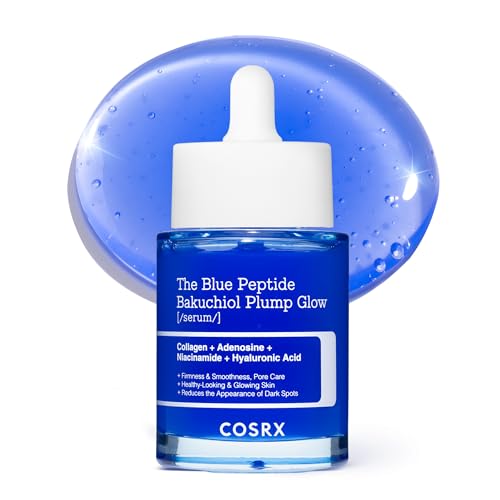
🛒 Where to Buy GHK-Cu (Copper Peptide)
- NIOD Copper Amino Isolate Serum 2:1 (CAIS 2:1)Lab-tested / studied
liquid, 1-2 drops applied topically PM; can use AM for accelerated protocols — Flagship high-concentration copper peptide serum from DECIEM; proprietary copper complex delivery at elevated percentage; best-in-class premium benchmark - The Ordinary Buffet + Copper Peptides 1%
liquid, 2-3 drops applied topically AM or PM after cleansing — Most accessible entry point; combines multi-technology peptide base with 1% copper tripeptide-1; ideal for first-time copper peptide users; widely available - Cosmetic Skin Solutions Copper Peptide Serum 2%
liquid, 2-3 drops applied to clean skin AM or PM — 2% copper peptide concentration at accessible price; strong Amazon reviews for post-procedure skin recovery; direct lab-to-consumer model keeps costs low - Skin Actives Scientific Copper Peptide Serum
liquid, 3-4 drops applied to face and neck AM or PM — Lab-direct brand with high-purity actives at competitive prices; transparent ingredient sourcing; popular with the DIY skincare and science-forward skincare community
As an Amazon Associate we earn from qualifying purchases. GHK-Cu quality depends on packaging and disclosure more than price. Choose an airless pump or sealed dropper rather than an open-top jar, and prefer a brand that states the actual peptide percentage on the label.

A Note on the Evidence
The mechanistic evidence for GHK-Cu in tissue remodeling comes largely from in vitro and preclinical models, and clinical data specifically on topical GHK-Cu for acne scarring in humans is limited; this article is informational only and does not constitute medical advice. People with severe acne scarring, active inflammatory skin conditions, or those who are pregnant or breastfeeding should consult a board-certified dermatologist before introducing new active ingredients.
Frequently Asked Questions
What does GHK-Cu actually do in the skin?
GHK-Cu is proposed to bind copper ions and deliver them to sites of tissue repair, where they support enzymes involved in collagen and elastin crosslinking. Research has indicated that the peptide can modulate matrix metalloproteinase activity and stimulate synthesis of key extracellular matrix components while activating antioxidant gene expression [1]. These actions are thought to collectively support more organized tissue remodeling.
Can GHK-Cu fade post-inflammatory hyperpigmentation?
GHK-Cu is not a direct pigment inhibitor and does not block melanin production the way dedicated brightening agents do. Its potential relevance to PIH is indirect: by supporting efficient resolution of the inflammatory and remodeling phases after acne, it may reduce the sustained stimulus for melanin overproduction. Evidence specifically on GHK-Cu and hyperpigmentation in acne patients is not available in the cited literature.
How long does it take to see results from a GHK-Cu serum?
Skin remodeling is a biological process that unfolds over weeks to months. Because GHK-Cu is proposed to work by influencing gene expression and ECM production rather than producing an immediate surface effect, most formulators and researchers suggest consistent use of at least eight to twelve weeks before drawing conclusions about efficacy. Individual results will vary based on scar type, depth, skin biology, and the overall skincare routine.
Is GHK-Cu safe to use on acne-prone skin?
GHK-Cu has been assessed as safe for cosmetic use by the Cosmetic Ingredient Review panel and is generally well tolerated. It is not comedogenic in the same way that heavy occlusive oils can be, and there is no established evidence that it worsens active acne. However, if someone is actively experiencing inflamed breakouts, the priority should be treating the acne itself with appropriate skincare and, if needed, dermatologist-guided therapy, rather than focusing on scar prevention topicals.
Can GHK-Cu be combined with retinol or retinoids?
GHK-Cu and retinoids both influence skin remodeling pathways, so they are conceptually complementary. In practice, layering multiple actives increases the risk of irritation for sensitive skin. A common strategy is to use retinoids on some nights and GHK-Cu on others, or to apply GHK-Cu first and allow it to absorb before applying a retinoid. People using prescription-strength retinoids should ask their prescribing provider before adding additional actives.
Why should GHK-Cu be kept away from vitamin C in a routine?
Copper ions can act as pro-oxidants in the presence of ascorbic acid (vitamin C), potentially accelerating its oxidation and reducing the stability and efficacy of both ingredients. This is a formulation chemistry concern rather than a confirmed safety risk at cosmetic use levels, but most formulators recommend separating copper peptide products and vitamin C products by using them at different times of day — for example, vitamin C in the morning and GHK-Cu in the evening.
References
- Pickart L et al. The human tri-peptide GHK and tissue remodeling. Journal of biomaterials science. Polymer edition (2008). PMID 18644225 (authors affiliated with Skin Biology, a company that sells copper-peptide products)
- Mortazavi SM et al. Topically applied GHK as an anti-wrinkle peptide: Advantages, problems and prospective. BioImpacts (2025). PMID 39963574
- Miller TR et al. Effects of topical copper tripeptide complex on CO2 laser-resurfaced skin. Archives of facial plastic surgery (2006). PMID 16847171
These statements have not been evaluated by the Food and Drug Administration. This information is not intended to diagnose, treat, cure, or prevent any disease. Content is for informational purposes only and is not medical advice; consult a qualified healthcare provider before starting any supplement. As an Amazon Associate we earn from qualifying purchases.
