GHK-Cu, the copper-binding tripeptide glycyl-L-histidyl-L-lysine, is a naturally occurring peptide found in human plasma, saliva, and urine. Plasma concentrations are highest in youth—around 200 ng/mL at age 20—and fall to roughly 80 ng/mL by age 60, a decline that has led researchers to investigate whether supplying GHK-Cu topically might help counteract some age-related changes in skin. Today it appears as a cosmetic active in serums and creams, rated safe for topical use by the Cosmetic Ingredient Review Panel.
One of the more actively studied properties of GHK-Cu is its relationship to oxidative stress—the cellular imbalance between damaging free radicals (reactive oxygen species, or ROS) and the body’s antioxidant defenses. This article walks through what that research actually shows, where it was conducted, and why the findings—while genuinely interesting—should be understood as early, preclinical science rather than proven clinical outcomes for cosmetic users.
Key Takeaways
- GHK-Cu is proposed to support antioxidant defense primarily by modulating gene expression—including antioxidant enzyme pathways—rather than acting as a direct free-radical scavenger.
- Preclinical studies in mice and zebrafish show GHK-Cu reduces oxidative stress markers and attenuates inflammation triggered by LPS and other insults [1][2].
- A 2025 biomaterial study confirmed antioxidant activity when GHK-Cu was incorporated into a hydroxyapatite delivery system [3], though injectable research contexts differ from topical cosmetic use.
- Human clinical trial data measuring antioxidant outcomes from topical GHK-Cu serums is not available in the current cited evidence—preclinical findings cannot be assumed to translate directly.
- Topical GHK-Cu products are cosmetic ingredients rated safe by the CIR panel; they are not FDA-approved treatments for any condition related to oxidative stress or aging.
What Oxidative Stress Has to Do with Skin Aging
Reactive oxygen species are produced continuously as a byproduct of normal cellular metabolism, and skin is especially vulnerable because it is the body’s outermost barrier. UV radiation, pollution, cigarette smoke, and even ordinary metabolic activity generate superoxide radicals, hydrogen peroxide, and hydroxyl radicals. When antioxidant enzymes—superoxide dismutase (SOD), catalase, and glutathione peroxidase—cannot keep pace, ROS accumulate and oxidize lipids, proteins, and DNA.
In skin, sustained oxidative stress degrades collagen and elastin, impairs wound healing, and drives low-grade inflammation. This is one reason cosmetic researchers are interested in molecules that can either scavenge free radicals directly or upregulate the cell’s own antioxidant enzyme systems. GHK-Cu is proposed to act through the second pathway: by modulating gene expression rather than acting purely as a chemical scavenger.
The Proposed Mechanism: Gene Modulation Over Direct Scavenging
GHK-Cu is not a classical antioxidant like vitamin C or vitamin E, which donate electrons to neutralize free radicals directly. Instead, research suggests that the copper tripeptide influences gene expression networks—particularly pathways involving the master antioxidant regulator Nrf2 and downstream targets including SOD, catalase, and heme oxygenase-1 (HO-1). By activating these pathways, GHK-Cu may help cells upregulate their own protective machinery rather than providing external antioxidant capacity.
The large-scale gene expression work on GHK comes from Pickart and colleagues, who report that the peptide can up- and downregulate at least 4,000 human genes, and who describe this as shifting expression patterns back toward a healthier state [4][5]. Two caveats matter for a skincare reader. That body of work is authored largely by a single research group, and it describes gene expression in cultured cells and disease models rather than measured antioxidant outcomes in human skin. The preclinical models below give more focused evidence on oxidative and inflammatory endpoints.
Preclinical Evidence: Acute Lung Injury and Oxidative Stress Markers
One of the more mechanistically detailed studies in the cited evidence examined GHK-Cu in a mouse model of lipopolysaccharide (LPS)-induced acute lung injury—a condition characterized by intense oxidative stress and inflammatory cytokine release. The researchers found that GHK-Cu administration was associated with reduced oxidative damage and attenuation of the inflammatory response in lung tissue [1]. While this is an organ-injury model rather than a skin-aging model, it provides direct evidence that GHK-Cu can influence oxidative stress biology in living animal tissue.
It is worth being clear about what this study does and does not tell us. LPS-induced acute lung injury is a severe, acute inflammatory state in mice—a very different biological context from chronic, low-grade oxidative stress in aging human skin treated with a topical serum. The mechanisms may overlap, but the magnitude and clinical relevance of any effect in cosmetic use cannot be extrapolated directly from this model.
Zebrafish Evidence: Inflammation and Antioxidant Activity in a Second Model
A 2026 study used zebrafish larvae—a transparent, fast-developing vertebrate model increasingly used in inflammation and toxicology research—to evaluate GHK-Cu’s effects on oxidative and inflammatory injury. The study found that GHK-Cu attenuated inflammation triggered by both copper sulfate (CuSO4) and LPS, two chemically distinct insults, suggesting the peptide’s protective effects may operate across different pathways of oxidative and inflammatory stress [2].
The zebrafish model is particularly useful for visualizing inflammatory cell recruitment and ROS production in real time. That GHK-Cu showed activity in this system against two different triggers lends some breadth to the antioxidant hypothesis. However, zebrafish larvae, like mice, are not humans, and cosmetic-grade topical concentrations and skin penetration dynamics are not addressed by this type of study.
Delivery Systems and Antioxidant Potency: A 2025 Biomaterial Study
A 2025 study explored loading GHK-Cu into injectable hydroxyapatite microsphere fillers—a biomaterial research context—and reported anti-inflammatory and antioxidant activity for the GHK-Cu-containing formulation [3]. This study is relevant for two reasons: it provides additional experimental confirmation of antioxidant properties, and it illustrates that GHK-Cu is being investigated in delivery systems beyond standard topical serums.
It is important to note that injectable filler formulations are a regulated medical device or drug context, not a cosmetic one. Topical GHK-Cu serums and creams—the consumer products available without a prescription—are rated safe as cosmetic ingredients and are not the same as injectable formulations. Readers should not interpret findings from injectable or research-grade delivery systems as directly applicable to over-the-counter skincare products.

What the Evidence Does Not Yet Establish
All three cited studies are preclinical—conducted in mice, zebrafish, or biomaterial systems. There are no randomized controlled trials in the cited evidence comparing GHK-Cu topical serums against a placebo in humans and measuring validated oxidative stress biomarkers in skin. This gap matters. Ingredient activity in an animal inflammation model does not guarantee that the same ingredient, at cosmetic-grade concentrations, penetrating through intact human stratum corneum, will produce measurable antioxidant effects in aging skin.
Additionally, GHK-Cu in topical formulations must first survive the product’s pH and stability conditions, penetrate the skin barrier in meaningful quantities, and reach viable epidermal or dermal cells at concentrations sufficient to modulate the proposed gene expression pathways. Skin penetration data for GHK-Cu is an active area of cosmetic research, but definitive human bioavailability data is not available in the cited evidence here.
None of this means GHK-Cu is ineffective—the preclinical signal is genuinely consistent across multiple experimental models—but it does mean that consumers and formulators should read marketing claims about antioxidant protection through a realistic lens. The science is promising and early, not proven and settled.
🛒 Where to Buy GHK-Cu (Copper Peptide)
- NIOD Copper Amino Isolate Serum 2:1 (CAIS 2:1)Lab-tested / studied
liquid, 1-2 drops applied topically PM; can use AM for accelerated protocols — Flagship high-concentration copper peptide serum from DECIEM; proprietary copper complex delivery at elevated percentage; best-in-class premium benchmark - The Ordinary Buffet + Copper Peptides 1%
liquid, 2-3 drops applied topically AM or PM after cleansing — Most accessible entry point; combines multi-technology peptide base with 1% copper tripeptide-1; ideal for first-time copper peptide users; widely available - Cosmetic Skin Solutions Copper Peptide Serum 2%
liquid, 2-3 drops applied to clean skin AM or PM — 2% copper peptide concentration at accessible price; strong Amazon reviews for post-procedure skin recovery; direct lab-to-consumer model keeps costs low - Skin Actives Scientific Copper Peptide Serum
liquid, 3-4 drops applied to face and neck AM or PM — Lab-direct brand with high-purity actives at competitive prices; transparent ingredient sourcing; popular with the DIY skincare and science-forward skincare community
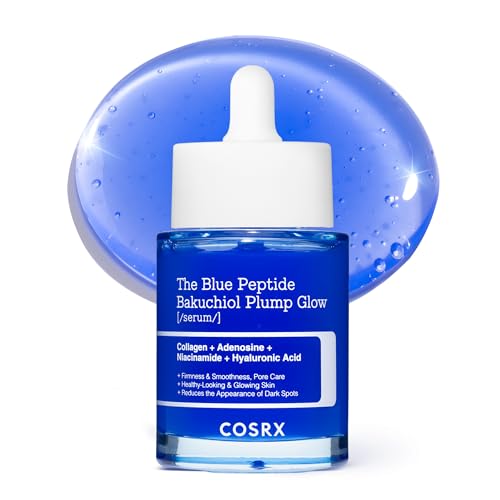
As an Amazon Associate we earn from qualifying purchases. GHK-Cu quality depends on packaging and disclosure more than price. Choose an airless pump or sealed dropper rather than an open-top jar, and prefer a brand that states the actual peptide percentage on the label.

A Note on the Evidence
All antioxidant findings cited here come from preclinical animal and biomaterial studies; there are no human clinical trials in the cited evidence confirming that topical GHK-Cu produces measurable antioxidant outcomes in skin. People who are pregnant, nursing, or managing health conditions should consult a physician or dermatologist before incorporating new skincare actives, and should not interpret any finding from these studies as a treatment claim.
Frequently Asked Questions
How does GHK-Cu fight free radicals?
GHK-Cu is believed to work primarily by activating cellular antioxidant pathways—potentially including Nrf2 and downstream enzymes like superoxide dismutase and catalase—rather than by directly scavenging free radicals the way vitamins C or E do. Preclinical studies have found reduced oxidative stress markers in animal models treated with GHK-Cu [1][2], consistent with this gene-modulation hypothesis.
Is there human clinical evidence for GHK-Cu's antioxidant effects?
No published human trial has measured antioxidant outcomes in skin from a topical GHK-Cu product. The available evidence is preclinical, conducted in mice and zebrafish larvae, and a 2025 review of topically applied GHK noted a surprising absence of clinical studies of GHK-Cu and its palmitoylated derivative despite their widespread cosmetic use. These models provide mechanistic insight but do not confirm that GHK-Cu serums produce measurable antioxidant outcomes in human skin at commercially available concentrations.
What animal models have been used to study GHK-Cu and oxidative stress?
Research has used mouse models of LPS-induced acute lung injury [1] and zebrafish larvae challenged with both LPS and copper sulfate [2]. Both showed GHK-Cu reduced inflammatory and oxidative stress endpoints. Zebrafish are particularly useful for visualizing real-time ROS activity and inflammatory cell recruitment.
Does GHK-Cu have anti-inflammatory properties as well?
Yes—oxidative stress and inflammation are closely linked, and the cited studies evaluated both. GHK-Cu attenuated inflammation in LPS-challenged mice [1] and in zebrafish exposed to both LPS and CuSO4 [2], suggesting its activity spans both pathways rather than being narrowly antioxidant.
Are injectable GHK-Cu formulations the same as topical serums?
No. A 2025 study incorporated GHK-Cu into injectable hydroxyapatite microsphere fillers [3], which is a research or medical context distinct from over-the-counter cosmetic products. Topical GHK-Cu serums and creams are rated as cosmetic ingredients; injectable formulations fall under different regulatory frameworks and should not be conflated with skincare products.
Is GHK-Cu safe in topical skincare products?
GHK-Cu has been reviewed and rated as safe for use as a topical cosmetic ingredient by the Cosmetic Ingredient Review (CIR) Panel. It is not FDA-approved to treat, cure, or prevent any disease. If you have specific skin conditions, sensitivities, or health concerns, consult a dermatologist before adding new actives to your routine.
References
- Park JR et al. The tri-peptide GHK-Cu complex ameliorates lipopolysaccharide-induced acute lung injury in mice. Oncotarget (2016). PMID 27517151
- Hu J et al. Glycyl-L-histidyl-L-lysine-Cu2(+) (GHK-Cu) Attenuates CuSO(4) or LPS induced-inflammation in Zebrafish larvae model. European journal of pharmacology (2026). PMID 41997403
- Hu D et al. An injectable hydroxyapatite microsphere filler loaded with GHK-Cu tripeptide for anti-Inflammatory and antioxidant. Colloids and surfaces. B, Biointerfaces (2025). PMID 40716276
- Pickart L et al. GHK Peptide as a Natural Modulator of Multiple Cellular Pathways in Skin Regeneration. BioMed research international (2015). PMID 26236730 (authors affiliated with Skin Biology, a company that sells copper-peptide products)
- Pickart L et al. GHK and DNA: resetting the human genome to health. BioMed research international (2014). PMID 25302294
These statements have not been evaluated by the Food and Drug Administration. This information is not intended to diagnose, treat, cure, or prevent any disease. Content is for informational purposes only and is not medical advice; consult a qualified healthcare provider before starting any supplement. As an Amazon Associate we earn from qualifying purchases.
