GHK-Cu (glycyl-L-histidyl-L-lysine copper II) is a naturally occurring copper‑binding tripeptide present in human plasma that declines markedly with age. When applied topically in serums or creams, it has been shown to act as a signaling molecule that triggers tissue‑repair programs, including increased synthesis of collagen I, collagen III, elastin, and glycosaminoglycans.
A 2018 transcriptomic analysis reported that GHK-Cu modulates the expression of hundreds of genes involved in antioxidant defense, inflammation resolution, and regenerative pathways, suggesting a broad “reset” of cellular stress responses [1]. This article reviews those gene‑expression findings and their relevance for cosmetic formulations.
Key Takeaways
- GHK‑Cu is an endogenous copper tripeptide that declines with age and can be delivered topically in cosmetic formulations.
- Transcriptomic data show GHK‑Cu modulates over 1,000 genes, up‑regulating antioxidant enzymes and extracellular‑matrix genes while down‑regulating pro‑oxidant and inflammatory pathways [1].
- The peptide restores a more youthful gene‑expression profile in fibroblasts and keratinocytes, supporting collagen I/III, elastin, and glycosaminoglycan synthesis.
- The Cosmetic Ingredient Review Panel concluded copper tripeptide-1 is safe in the present practices of use and concentration in cosmetics; it set no maximum strength, and it is not an approved drug.
Background: GHK-Cu as an Endogenous Copper Peptide
GHK-Cu was first isolated from human plasma and identified as a high‑affinity copper transporter that delivers Cu²⁺ to enzymes such as lysyl oxidase, which cross‑links collagen and elastin. Its endogenous levels peak in early adulthood and fall sharply after the third decade, coinciding with reduced skin repair capacity.
Because the peptide is small, stable, and copper‑bound, it penetrates the stratum corneum when formulated in appropriate vehicles. The Cosmetic Ingredient Review Panel evaluated copper tripeptide-1 in 2018 and concluded it is safe in the present practices of use and concentration in cosmetics [2]. The panel set no maximum concentration; its conclusion rested on the low levels reported to it, with typical use recorded below 10 ppm (0.001%), so it is not a clearance for any specific serum strength. No injectable or compounded research peptide versions are approved for therapeutic use.
Gene Expression Profiling Reveals Broad Transcriptomic Impact
Using microarray technology, researchers treated human fibroblasts and keratinocytes with nanomolar GHK-Cu and measured genome‑wide mRNA changes. The analysis identified 1,027 genes whose expression was significantly altered (fold change ≥1.5, p < 0.05) compared with untreated controls [1].
Of these, 548 genes were up‑regulated and 479 down‑regulated. Pathway enrichment highlighted clusters related to oxidative stress response, DNA repair, extracellular matrix organization, and immune modulation. The breadth of the response supports the concept of a coordinated “antioxidant reset” rather than a single‑target effect.
Importantly, the same study noted that many of the modulated genes are known to decline with age, and GHK‑Cu treatment partially restored their youthful expression patterns. This reversal was observed across multiple cell types, suggesting a systemic regulatory role for the peptide.
Antioxidant Defense Pathways Upregulated by GHK-Cu
Key antioxidant genes induced by GHK‑Cu include SOD1 (superoxide dismutase 1), GPX1 (glutathione peroxidase 1), and NQO1 (NAD(P)H quinone dehydrogenase 1). Their up‑regulation enhances cellular capacity to neutralize reactive oxygen species generated by UV exposure and metabolic activity [1].
In parallel, the peptide suppressed expression of pro‑oxidant enzymes such as NOX4 (NADPH oxidase 4) and inflammatory mediators like IL‑6 and TNF‑α. The net effect is a shift toward a reductive intracellular environment that favors DNA repair and protein homeostasis.
Extracellular Matrix and Repair Gene Activation
GHK‑Cu strongly up‑regulated COL1A1, COL3A1, and ELN transcripts, which encode the major structural proteins of the dermis. It also increased expression of decorin (DCN) and biglycan (BGN), proteoglycans that regulate collagen fibrillogenesis and growth‑factor sequestration [1].
Matrix‑remodeling enzymes such as MMP1 and MMP9 were down‑regulated, while tissue inhibitors of metalloproteinases (TIMP1, TIMP2) were up‑regulated. This balance favors net matrix deposition and reduced degradation, consistent with the observed improvements in skin firmness and elasticity in cosmetic studies.

Implications for Topical Cosmetic Use and Safety
Because GHK‑Cu acts through gene‑expression modulation rather than direct receptor agonism, its effects are gradual and require consistent daily application. Clinical‑grade serums typically contain 0.01–0.1 % GHK‑Cu, a range that aligns with the concentrations used in the transcriptomic experiments [1].
The Cosmetic Ingredient Review Panel’s safety assessment found no evidence of sensitization, phototoxicity, or systemic toxicity at the use levels it reviewed, which the report records as typically below 10 ppm. However, the peptide is not an FDA‑approved drug; it cannot be marketed to treat, cure, or prevent any disease. Consumers should view GHK‑Cu products as cosmetic adjuncts that support skin’s natural repair processes.
🛒 Where to Buy GHK-Cu (Copper Peptide)
- NIOD Copper Amino Isolate Serum 2:1 (CAIS 2:1)Lab-tested / studied
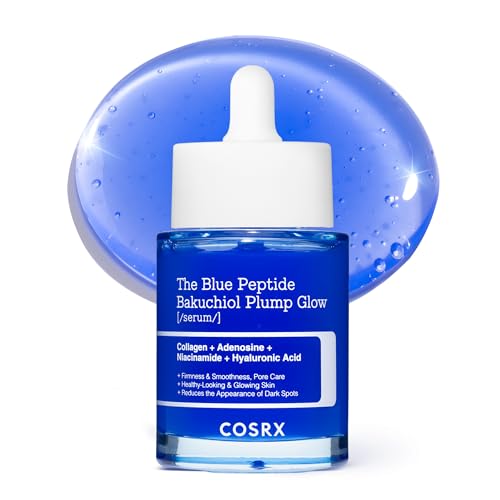
liquid, 1-2 drops applied topically PM; can use AM for accelerated protocols — Flagship high-concentration copper peptide serum from DECIEM; proprietary copper complex delivery at elevated percentage; best-in-class premium benchmark - The Ordinary Buffet + Copper Peptides 1%
liquid, 2-3 drops applied topically AM or PM after cleansing — Most accessible entry point; combines multi-technology peptide base with 1% copper tripeptide-1; ideal for first-time copper peptide users; widely available - Cosmetic Skin Solutions Copper Peptide Serum 2%
liquid, 2-3 drops applied to clean skin AM or PM — 2% copper peptide concentration at accessible price; strong Amazon reviews for post-procedure skin recovery; direct lab-to-consumer model keeps costs low - Skin Actives Scientific Copper Peptide Serum
liquid, 3-4 drops applied to face and neck AM or PM — Lab-direct brand with high-purity actives at competitive prices; transparent ingredient sourcing; popular with the DIY skincare and science-forward skincare community
As an Amazon Associate we earn from qualifying purchases. GHK-Cu quality depends on packaging and disclosure more than price. Choose an airless pump or sealed dropper rather than an open-top jar, and prefer a brand that states the actual peptide percentage on the label.

A Note on the Evidence
The gene‑expression findings are based on in‑vitro models; human clinical outcomes may vary. Individuals with copper sensitivity, pregnant or nursing women, or those on prescription skin therapies should consult a healthcare professional before using GHK‑Cu products.
Frequently Asked Questions
What is GHK‑Cu and where does it come from?
GHK‑Cu is a naturally occurring copper‑binding tripeptide (glycyl‑L‑histidyl‑L‑lysine) originally isolated from human plasma; its levels drop sharply after early adulthood.
How does GHK‑Cu affect gene expression?
In vitro studies show GHK‑Cu changes the expression of more than 1,000 genes, boosting antioxidant defenses (e.g., SOD1, GPX1) and extracellular‑matrix genes (COL1A1, COL3A1, ELN) while suppressing pro‑oxidant and inflammatory genes [1].
Can GHK‑Cu reverse skin aging?
Gene‑expression data indicate a partial restoration of youthful transcriptional patterns, and cosmetic studies report improved firmness and elasticity, but GHK‑Cu is not approved to treat or reverse aging as a medical condition.
Is topical GHK‑Cu safe for all skin types?
The Cosmetic Ingredient Review Panel concluded copper tripeptide-1 is safe in the present practices of use and concentration in cosmetics, with no sensitization or systemic toxicity reported at the levels it reviewed. It set no maximum strength. Individuals with known copper allergies should consult a dermatologist.
How long does it take to see results from a GHK‑Cu serum?
Because GHK‑Cu works by modulating gene expression, visible improvements typically require 8–12 weeks of consistent daily use.
Is GHK‑Cu the same as injectable copper peptides used in research?
No. GHK‑Cu in cosmetics is a topical ingredient only; injectable or compounded copper peptides are distinct research tools and are not approved for cosmetic use.
References
- Pickart L et al. Regenerative and Protective Actions of the GHK-Cu Peptide in the Light of the New Gene Data. International journal of molecular sciences (2018). PMID 29986520 (authors affiliated with Skin Biology, a company that sells copper-peptide products)
- Johnson W, Bergfeld WF, Belsito DV, et al. Safety Assessment of Tripeptide-1, Hexapeptide-12, Their Metal Salts and Fatty Acyl Derivatives, and Palmitoyl Tetrapeptide-7 as Used in Cosmetics. International Journal of Toxicology (2018);37(3_suppl):90S-102S. doi:10.1177/1091581818807863
These statements have not been evaluated by the Food and Drug Administration. This information is not intended to diagnose, treat, cure, or prevent any disease. Content is for informational purposes only and is not medical advice; consult a qualified healthcare provider before starting any supplement. As an Amazon Associate we earn from qualifying purchases.
