As we navigate the complexities of aging, many of us seek skincare solutions that move beyond superficial promises. The quest for truly effective ingredients often leads to a deeper examination of molecular biology and the intricate processes within our skin and hair. If you’ve already explored the well-trodden paths of retinoids and vitamin C, you might be wondering what advanced actives genuinely offer a significant step forward in addressing concerns like collagen degradation, skin laxity, and even hair thinning.
This article aims to provide a comprehensive, evidence-based look at GHK-Cu copper peptide, an ingredient that has garnered considerable attention for its multifaceted benefits. We will explore the science behind its purported effects, drawing directly from research and clinical observations, to help you understand whether GHK-Cu deserves a place in your advanced skincare regimen.
GHKCuHub participates in the Amazon Services LLC Associates Program, an affiliate advertising program designed to provide a means for sites to earn advertising fees by advertising and linking to Amazon.com. We may earn a commission from qualifying purchases made through the links in this article.
Understanding GHK-Cu Copper Peptide: The Science
GHK-Cu, or Glycyl-L-Histidyl-L-Lysine-Copper(II), is a naturally occurring human plasma copper-binding peptide. It was first identified in the early 1970s by Dr. Loren Pickart and his team, who observed its remarkable wound healing properties. This tripeptide has a high affinity for copper ions, forming a stable complex crucial for its biological activity.
The copper ion in GHK-Cu is not merely a passenger; it is an active participant in numerous enzymatic reactions. When applied topically, GHK-Cu delivers bioavailable copper to cells, facilitating processes essential for skin remodeling and repair. Its mechanisms of action are broad, affecting gene expression, protein synthesis, and cellular communication.
The Role of Copper in Skin Health
Copper is an essential trace element vital for various physiological processes, particularly those related to connective tissue formation. It acts as a cofactor for lysyl oxidase, an enzyme critical for cross-linking collagen and elastin fibers, which are the main structural proteins of the skin. Without adequate copper, these fibers can become disorganized and less resilient.
Beyond structural support, copper also plays a role in antioxidant defense and angiogenesis (the formation of new blood vessels). Its involvement in these pathways underscores its fundamental importance in maintaining skin integrity and facilitating repair processes.
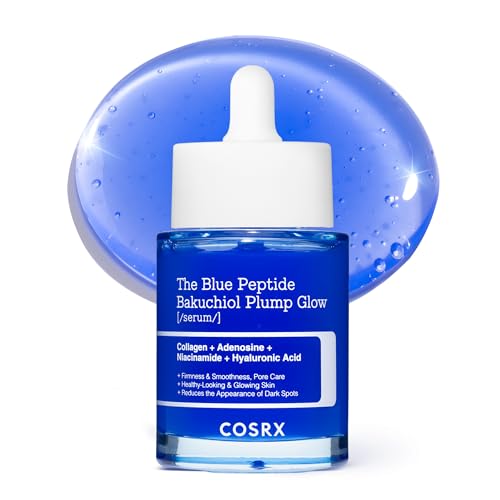
GHK-Cu for Collagen Support and Skin Laxity
One of the most compelling benefits of GHK-Cu lies in its ability to modulate the extracellular matrix, particularly concerning collagen and elastin. As we age, the synthesis of these proteins declines, while their degradation increases, leading to visible signs of aging like wrinkles and sagging skin. GHK-Cu has been shown to counteract these processes.
Research indicates that GHK-Cu can stimulate the production of collagen, elastin, and glycosaminoglycans (such as hyaluronic acid) in fibroblasts[1]. A study in the Journal of Cosmetic Dermatology found that GHK-Cu raised the expression of collagen I, IV and VII in human dermal fibroblasts, with the clearest effect on collagen IV when GHK-Cu was combined with hyaluronic acid[2]. That is cell and ex-vivo tissue work, so it supports the mechanism behind improved skin firmness and elasticity rather than measuring those outcomes directly.
Furthermore, GHK-Cu exhibits properties that help remodel existing collagen, rather than just producing new collagen. It can activate matrix metalloproteinases (MMPs) in a controlled manner, facilitating the removal of damaged collagen and elastin, thereby making way for new, healthier tissue. This dual action of synthesis and remodeling is crucial for addressing skin laxity.
GHK-Cu Copper Peptide for Skin Repair and Wound Healing
Dr. Pickart’s initial discoveries highlighted GHK-Cu’s profound impact on wound healing, a benefit that translates directly to post-procedure recovery and general skin repair. GHK-Cu accelerates the healing process by promoting angiogenesis, increasing antioxidant activity, and reducing inflammation.
In various studies, GHK-Cu has been shown to improve wound contraction and epithelialization, leading to faster closure of wounds. It also modulates the expression of genes involved in tissue repair, including those related to growth factors and cytokines. This makes it a valuable adjunct for skin recovering from environmental damage or aesthetic procedures.
For individuals undergoing treatments like laser resurfacing or chemical peels, topical GHK-Cu can potentially mitigate downtime and enhance the quality of healing. By supporting the skin’s natural regenerative capacities, it helps minimize scarring and improve overall skin texture post-procedure.
GHK-Cu Copper Peptide and Hair Growth
Beyond its well-documented skin benefits, GHK-Cu has shown promise in the realm of hair growth and scalp health. The mechanisms are believed to be similar to its skin-rejuvenating effects, involving improved blood circulation, anti-inflammatory properties, and stimulation of follicular activity.
Research suggests that GHK-Cu can promote the proliferation of dermal papilla cells, which are crucial for hair follicle development and growth. It also appears to increase the size of hair follicles and prolong the anagen (growth) phase of the hair cycle. This effect is thought to be partly due to its ability to improve the local microenvironment of the scalp.

While human clinical trials specifically focused on hair growth are still emerging, the preliminary evidence from in vitro and animal studies is encouraging. For those experiencing hair thinning or seeking to optimize scalp health, GHK-Cu represents a potential non-pharmacological option to explore. It’s important to note that results can vary, and consistency is key.
GHK-Cu vs. Other Peptides: A Comparison
The peptide landscape in skincare is vast, with numerous ingredients touting various benefits. While many peptides focus on signaling pathways or neurotransmitter modulation, GHK-Cu stands out due to its unique copper-binding property and broad spectrum of action. Here’s how it compares to some other common peptide types:
| Peptide Type | Primary Mechanism | Key Benefits | Distinguishing Feature |
|---|---|---|---|
| GHK-Cu (Copper Tripeptide-1) | Delivers copper, stimulates collagen/elastin, anti-inflammatory, antioxidant, wound healing. | Improved firmness, elasticity, reduced wrinkles, faster healing, potential hair growth. | Binds and delivers essential copper, broad regenerative effects. |
| Signal Peptides (e.g., Palmitoyl Pentapeptide-4) | Mimic natural growth factors, signaling cells to produce more collagen. | Reduced appearance of wrinkles, improved skin texture. | Acts as messengers to trigger cellular responses. |
| Neurotransmitter-Inhibiting Peptides (e.g., Acetyl Hexapeptide-8) | Temporarily inhibit muscle contractions, similar to botulinum toxin. | Reduced expression lines (e.g., forehead wrinkles, crow’s feet). | Targets muscle contractions to smooth dynamic wrinkles. |
| Carrier Peptides (other than GHK-Cu) | Deliver trace elements or enzymes to the skin. | Dependent on the carried substance’s function. | Facilitate transport of beneficial compounds. |
GHK-Cu’s ability to act as a carrier for copper, combined with its intrinsic signaling properties, gives it a distinct advantage in promoting comprehensive skin and hair regeneration. Its multifaceted approach addresses multiple aspects of aging and damage simultaneously.
Integrating GHK-Cu into Your Routine
When incorporating GHK-Cu into an existing skincare regimen, consider its compatibility with other actives. Generally, GHK-Cu is well-tolerated, but some sources suggest avoiding direct layering with highly acidic products (like strong AHAs/BHAs or L-ascorbic acid vitamin C serums) in the same application, as this could potentially destabilize the copper complex or reduce its efficacy. It is often recommended to apply GHK-Cu separately, perhaps in the morning if your retinoid is used at night, or on alternating nights.
Consistency is paramount for seeing results with any active ingredient, and GHK-Cu is no exception. Allow several weeks to months of regular use to observe noticeable improvements in skin texture, firmness, and overall radiance. For hair growth, a longer commitment is typically required.
What to Look For: GHK-Cu Products
When searching for GHK-Cu products, focus on formulations that prioritize stability and efficacy. Look for serums or creams that clearly list “Copper Tripeptide-1” or “GHK-Cu” high on the ingredient list, indicating a meaningful concentration. While specific concentrations are not always disclosed, reputable brands often provide this information.
Consider the product’s overall formulation. Products with minimal fragrance and potential irritants are often preferred, especially for sensitive skin or post-procedure use. Packaging that protects the product from light and air, such as opaque bottles with pumps, can help maintain the peptide’s stability over time.

For those interested in exploring GHK-Cu products, consider searching for: GHK-Cu serum, copper peptide anti-aging cream, and copper peptide hair growth solution.
Conclusion
GHK-Cu copper peptide stands as a uniquely versatile and evidence-backed ingredient in the realm of advanced skincare and hair care. Its ability to stimulate collagen and elastin, accelerate wound healing, reduce inflammation, and potentially promote hair growth positions it as a significant player for those seeking comprehensive regenerative benefits. While some areas, particularly hair growth, still require more extensive human trials, the existing body of research, much of it pioneered by Dr. Loren Pickart, provides a solid foundation for its efficacy.
For the discerning individual ready to move beyond basic maintenance, GHK-Cu offers a scientifically sound approach to addressing complex concerns like skin laxity, visible signs of aging, and supporting the skin’s natural repair mechanisms. By understanding its mechanisms and integrating it thoughtfully into your routine, you can harness the power of this remarkable tripeptide.
Frequently Asked Questions
What is GHK-Cu copper peptide?
GHK-Cu (Glycyl-L-Histidyl-L-Lysine-Copper(II)) is a naturally occurring human peptide that binds to copper ions. It plays a crucial role in various biological processes, including wound healing, immune function, and collagen synthesis.
How does GHK-Cu benefit the skin?
GHK-Cu stimulates collagen and elastin production, improves skin firmness and elasticity, reduces the appearance of wrinkles, accelerates wound healing, and provides antioxidant and anti-inflammatory benefits. It helps remodel damaged skin and supports overall skin regeneration.
Can GHK-Cu help with hair growth?
Preliminary research suggests that GHK-Cu can promote hair growth by stimulating dermal papilla cells, increasing hair follicle size, and prolonging the hair growth cycle. While promising, more human clinical trials are needed to fully establish its efficacy for hair thinning.
Is GHK-Cu compatible with other skincare ingredients like retinoids or Vitamin C?
GHK-Cu is generally well-tolerated. However, some experts suggest avoiding direct layering with highly acidic products (e.g., L-ascorbic acid vitamin C, strong AHAs/BHAs) in the same application, as this might reduce its stability. It’s often recommended to use them at different times of the day or on alternating days.
How long does it take to see results from GHK-Cu?
Visible improvements in skin texture and firmness typically require several weeks to months of consistent use. For benefits like wound healing, results can be observed more quickly. Hair growth benefits may take longer, often several months.
Are there any side effects of using GHK-Cu?
GHK-Cu is generally considered safe and well-tolerated for topical use. As with any new skincare product, a patch test is recommended to check for individual sensitivities. Mild irritation is possible but uncommon.
References
- Pickart L, Margolina A. Regenerative and Protective Actions of the GHK-Cu Peptide in the Light of the New Gene Data. International Journal of Molecular Sciences (2018). PMID 29986520 (authors affiliated with Skin Biology, a company that sells copper-peptide products)
- Jiang F, Wu Y, Liu Z, Hong M, Huang Y. Synergy of GHK-Cu and hyaluronic acid on collagen IV upregulation via fibroblast and ex-vivo skin tests. Journal of Cosmetic Dermatology (2023). PMID 37062921
These statements have not been evaluated by the FDA. This product is not intended to diagnose, treat, cure, or prevent any disease.
These statements have not been evaluated by the Food and Drug Administration. This information is not intended to diagnose, treat, cure, or prevent any disease. Content is for informational purposes only and is not medical advice; consult a qualified healthcare provider before starting any supplement. As an Amazon Associate we earn from qualifying purchases.
