GHK-Cu, or copper tripeptide-1, is a naturally occurring peptide-copper complex found in human plasma that has attracted growing interest as a topical cosmetic ingredient. Formulators include it in serums and creams based on proposed mechanisms involving tissue repair signaling, collagen and elastin support, and antioxidant defense. Because GHK-Cu is sensitive to pH and can interact with other active ingredients, the order and timing of application genuinely matters in a way that it does not for more passive ingredients like simple humectants.
This guide focuses entirely on the practical side: when to use GHK-Cu relative to the rest of your day, where it belongs in a multi-step routine, how to apply it correctly, and which ingredient combinations to embrace or avoid. No evidence provided in this article supports treating or curing any skin condition; this is cosmetic guidance only.
Key Takeaways
- Apply GHK-Cu serum after cleansing and any toners, before moisturizer — pressing rather than rubbing the product into skin.
- Evening use is preferred over morning to minimize interactions with vitamin C and sunscreen and to align with skin’s overnight repair cycle.
- Separate GHK-Cu from low-pH vitamin C, benzoyl peroxide, and exfoliating acids by either time of day or a 20-to-30-minute wait period.
- Hyaluronic acid, niacinamide at cosmetic concentrations, ceramide moisturizers, and other peptides are compatible layering partners.
- 2 to 4 drops is a sufficient amount; more product does not mean greater benefit.
Understanding Why Application Method Matters for GHK-Cu
Copper peptides like GHK-Cu are not inert moisturizing agents. The tripeptide-copper complex is proposed to act as a signaling molecule, and its stability in a formulation and on skin depends on pH, competing ions, and oxidizing agents it encounters. This means that layering it carelessly under or over certain actives can degrade the complex before it has any opportunity to interact with skin.
GHK-Cu is typically formulated in a slightly acidic to neutral pH range, and it is a relatively large molecule compared to small-molecule actives like vitamin C or retinoids. Understanding these properties guides every practical decision below: what goes on first, what waits until the other product has absorbed, and what should never share the same step.
Morning vs. Evening: When Should You Apply GHK-Cu Serum?
Most cosmetic formulators and estheticians recommend using GHK-Cu in the evening rather than the morning, and there are two sound reasons for this. First, the proposed tissue-repair and regenerative signaling attributed to copper peptides aligns logically with the skin’s own overnight repair cycle, during which cell turnover increases and the skin is not exposed to UV radiation, pollution, or the physical disruption of touching your face throughout the day. Second, GHK-Cu formulations often do not contain an SPF, and layering multiple serums in the morning adds steps that can dilute or compromise sunscreen application — the single most evidence-supported step in any daytime routine.
That said, GHK-Cu is generally considered compatible with morning use by people who keep their AM routine simple: cleanser, GHK-Cu serum, moisturizer, and sunscreen. If your morning routine already includes vitamin C (ascorbic acid), retinoids, or exfoliating acids, the evening slot is strongly preferred for GHK-Cu to avoid ingredient conflicts. Many people find that reserving GHK-Cu for the PM and using a straightforward antioxidant serum in the AM is the path of least conflict.

If you choose to use GHK-Cu twice daily — morning and evening — start with once daily in the evening first. Assess skin tolerance before adding a second application. There is no established cosmetic benefit to more frequent application that would outweigh the risk of irritation or ingredient incompatibility.
Step-by-Step Layering Order for GHK-Cu in Your Routine
The general skincare layering principle — lightest and most water-based first, heaviest and most occlusive last — applies to GHK-Cu serums, but with an important nuance: pH sequencing matters too. Here is a reliable order for an evening routine that includes GHK-Cu.
Step 1: Cleanse. Always apply GHK-Cu to clean skin. Residual sunscreen, makeup, or sebum create a physical barrier that reduces contact between the ingredient and the skin surface. A gentle, non-stripping cleanser that brings skin close to its natural pH of around 4.5 to 5.5 is ideal. Step 2: Tone (optional). If you use a balancing or hydrating toner without exfoliating acids, apply it now and allow it to absorb fully — roughly 30 to 60 seconds. Skip this step if your toner contains AHAs, BHAs, or vitamin C, as those should be handled in a separate session or earlier in a rotation. Step 3: Wait Period (if needed). If you use an exfoliating acid or low-pH vitamin C serum on the same evening, apply that first and wait at least 20 to 30 minutes for your skin’s surface pH to rise before applying the copper peptide serum. Applying GHK-Cu directly onto a very low-pH environment can degrade the complex. Step 4: GHK-Cu Serum. Apply 2 to 4 drops to fingertips and gently press — do not rub — into the face, neck, and décolletage. Allow 60 to 90 seconds of absorption. Step 5: Hydrating Serum or Essence (optional). A hyaluronic acid or polyglutamic acid serum can go on top of the copper peptide serum to add humectant hydration without chemical conflict. Step 6: Moisturizer. Seal the routine with a moisturizer appropriate for your skin type. The occlusivity of a cream or lotion helps retain everything applied underneath. Step 7: Facial oil (optional, dry skin only). Oils go last in the routine as they are the most occlusive layer.
How to Apply GHK-Cu Serum: Technique and Amount
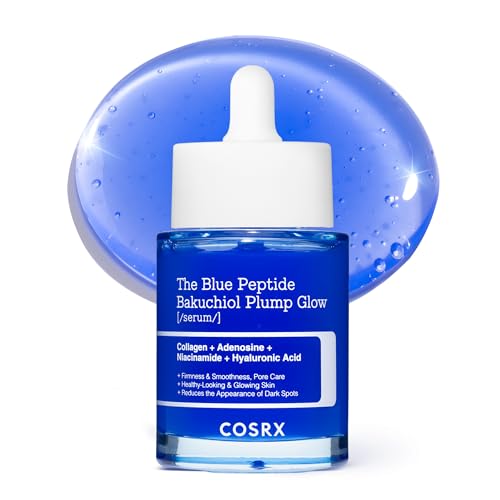
Dispense 2 to 4 drops of GHK-Cu serum onto clean fingertips or the back of your hand. The characteristic blue or blue-green color of a properly formulated copper peptide serum is from the copper complex itself; if your serum is colorless, check the ingredient list carefully to confirm the concentration. Warm the product briefly by pressing your palms together, then press — rather than rub — it gently into the skin. Pressing motion maintains the integrity of the thin film and reduces mechanical disruption of skin.

Apply to the entire face including the under-eye area (most copper peptide serums are appropriate for periorbital skin, but check your specific product label), the neck, and the upper chest if those areas are a concern. Allow the serum to absorb before layering anything on top. You will typically not feel a significant tacky residue; most GHK-Cu serums are lightweight. If you do notice a faint blue tint on pale skin, it absorbs within a minute or two.
There is no cosmetic evidence that using more product produces better outcomes. A few drops covering the face and neck is sufficient. Using a full dropper’s worth per application increases cost without a corresponding benefit and may cause congestion if the serum contains additional film-forming or emollient ingredients.
Ingredients That Work Well Alongside GHK-Cu
Hyaluronic acid and other humectants (polyglutamic acid, glycerin, sodium PCA) are compatible with GHK-Cu and complement it well. They do not react chemically with the copper complex, and their hydration-supporting function is additive. Apply humectant serums after the GHK-Cu step to lock in moisture.
Niacinamide (vitamin B3) at moderate concentrations (2 to 5 percent) is broadly considered compatible with copper peptide serums from a stability standpoint, though some formulators recommend separating them by application step rather than mixing on the hand. The historical concern that niacinamide causes flushing when combined with certain actives is largely considered overstated at cosmetic use levels, but a conservative approach is to layer them — GHK-Cu first, moisturizer with or after — rather than blend them in the palm.
Peptides broadly are compatible with GHK-Cu. Products containing Matrixyl (palmitoyl pentapeptide-4), Argireline (acetyl hexapeptide-3), or similar signal peptides do not chemically conflict with the tripeptide-copper complex and can be used in the same routine. Apply GHK-Cu before or after another peptide serum based on texture: the lighter one goes first.

Ceramides and cholesterol-based moisturizers pair well with GHK-Cu in the barrier-repair context. Many people using copper peptide serums are doing so precisely because they are working on skin barrier health, and a ceramide-rich moisturizer as the final step is a logical complement.
Ingredients to Avoid Layering Directly With GHK-Cu
Strong vitamin C (L-ascorbic acid) formulations are the most commonly cited incompatibility with copper peptide serums. Ascorbic acid is a reducing agent and at the low pH required to keep it stable (below 3.5), it can degrade the copper complex. If you use both ingredients, assign them to opposite times of day — vitamin C in the morning, GHK-Cu in the evening — or use them on alternating evenings.
Benzoyl peroxide is an oxidizing agent and can oxidize and deactivate copper peptide complexes. Avoid layering these in the same step. If you use benzoyl peroxide for acne, use it in a separate application step well before the GHK-Cu serum or on a separate evening.
AHAs and BHAs (glycolic acid, lactic acid, salicylic acid) create a temporarily low-pH environment on skin. You can use them in the same routine, but apply the acid first, wait 20 to 30 minutes for your skin’s pH to normalize, and then apply the GHK-Cu serum. Using them simultaneously or in rapid succession risks reducing the efficacy of the copper complex.
Retinoids (retinol, retinal, tretinoin) are not chemically incompatible with copper peptides in the way that ascorbic acid is, but they can cause irritation when both are used on the same evening, particularly for new users of either ingredient. A practical approach is to use GHK-Cu on nights you are not using a retinoid, at least during the initial weeks of a routine, and then assess whether your skin tolerates both on the same night.
🛒 Where to Buy GHK-Cu (Copper Peptide)
- NIOD Copper Amino Isolate Serum 2:1 (CAIS 2:1)Lab-tested / studied
liquid, 1-2 drops applied topically PM; can use AM for accelerated protocols — Flagship high-concentration copper peptide serum from DECIEM; proprietary copper complex delivery at elevated percentage; best-in-class premium benchmark - The Ordinary Buffet + Copper Peptides 1%
liquid, 2-3 drops applied topically AM or PM after cleansing — Most accessible entry point; combines multi-technology peptide base with 1% copper tripeptide-1; ideal for first-time copper peptide users; widely available - Cosmetic Skin Solutions Copper Peptide Serum 2%
liquid, 2-3 drops applied to clean skin AM or PM — 2% copper peptide concentration at accessible price; strong Amazon reviews for post-procedure skin recovery; direct lab-to-consumer model keeps costs low - Skin Actives Scientific Copper Peptide Serum
liquid, 3-4 drops applied to face and neck AM or PM — Lab-direct brand with high-purity actives at competitive prices; transparent ingredient sourcing; popular with the DIY skincare and science-forward skincare community
As an Amazon Associate we earn from qualifying purchases. GHK-Cu quality depends on packaging and disclosure more than price. Choose an airless pump or sealed dropper rather than an open-top jar, and prefer a brand that states the actual peptide percentage on the label.

A Note on the Evidence
No topical GHK-Cu serum is FDA-approved to treat, cure, or prevent any skin disease or condition; all proposed benefits are cosmetic and remain supported by limited or early-stage research. Individuals with known copper sensitivity, those who are pregnant or nursing, or those using prescription skin treatments should consult a dermatologist before adding a copper peptide serum to their routine.
Frequently Asked Questions
Can I use GHK-Cu serum twice a day?
Some people do use copper peptide serums in both AM and PM routines without issue, particularly those with simpler routines that do not include vitamin C or retinoids. The more conservative starting point is once daily in the evening, assessing skin response over 4 to 6 weeks before considering twice-daily use. Overloading skin with multiple actives increases irritation risk regardless of ingredient compatibility.
Should I apply GHK-Cu before or after hyaluronic acid?
Apply GHK-Cu first, allow it to absorb for about 60 seconds, then apply hyaluronic acid on top. The copper peptide serum is typically the thinner, more active-concentrated product; the humectant serum acts as a follow-up hydration layer. This order follows the general rule of thinnest-to-thickest and ensures the GHK-Cu has direct contact with skin.
Can I mix GHK-Cu serum directly with my moisturizer in my hand before applying?
This is not recommended. Mixing on the palm dilutes the serum, can disrupt emulsion stability in the moisturizer, and removes the layering benefit. Apply them as separate steps — serum first, moisturizer after — even if only 30 to 60 seconds apart.

Is it safe to use GHK-Cu with retinol in the same evening?
The ingredients are not directly chemically incompatible, but using both on the same evening — especially at the start of either product’s use — increases the likelihood of skin irritation, redness, and barrier disruption. A practical approach is to alternate evenings: GHK-Cu on nights without retinoid, retinoid on other nights. Once both are well tolerated individually, some users do layer them (retinol first, GHK-Cu after absorption), but this should be introduced gradually.
How long before I notice any visible changes from GHK-Cu serum?
Cosmetic skincare timelines are inherently variable and depend on skin type, baseline condition, product concentration, and consistency of use. Most people evaluating peptide serums look at a minimum 8 to 12 week window of consistent use before drawing conclusions. No topical GHK-Cu product is approved by the FDA to treat or cure any skin condition, and visible results are not guaranteed.
Can I apply GHK-Cu serum under sunscreen in the morning?
Yes, if your morning routine is simple. The preferred order is cleanser, GHK-Cu serum, lightweight moisturizer if needed, then sunscreen last as the final step. The key is ensuring the sunscreen film is not disrupted by layering multiple products beneath it. If your morning routine already includes several actives, evening is a cleaner slot for GHK-Cu.
These statements have not been evaluated by the Food and Drug Administration. This information is not intended to diagnose, treat, cure, or prevent any disease. Content is for informational purposes only and is not medical advice; consult a qualified healthcare provider before starting any supplement. As an Amazon Associate we earn from qualifying purchases.
