As we navigate the complexities of aging, the quest for truly effective skincare and hair care solutions often leads us down a rabbit hole of ingredients and claims. You’ve likely experimented with retinol, perhaps vitamin C, and even hyaluronic acid, seeking to mitigate the visible signs of time: fine lines, uneven texture, diminished elasticity, and even thinning hair. But what happens when these established workhorses no longer deliver the dramatic improvements you desire, or when their side effects become too disruptive? This is precisely where advanced bio-active peptides, particularly GHK-Cu copper peptide, enter the conversation, promising a new frontier in cellular regeneration and repair.
Today, in 2026, the landscape of anti-aging and regenerative science is more sophisticated than ever. We’re moving beyond mere hydration and exfoliation, focusing instead on signaling molecules that communicate directly with our cells to restore youthful function. GHK-Cu stands out as a unique contender in this arena, but how does it truly compare against other popular and emerging alternatives? Understanding its specific mechanisms and documented effects is crucial for making informed decisions about your next skincare investment.
FTC Disclosure: This article may contain affiliate links. If you make a purchase through these links, we may earn a small commission at no extra cost to you. This helps support our research and content creation.
What is GHK-Cu Copper Peptide? Understanding Its Core Mechanism
GHK-Cu, or Glycyl-L-Histidyl-L-Lysine copper(II), is a naturally occurring human tripeptide first identified in human plasma by Dr. Loren Pickart in 1973. Its biological role is profound, acting as a signaling peptide involved in processes such as wound healing, tissue regeneration, collagen synthesis, and anti-inflammatory responses.
The copper ion (Cu2+) is critical to its function, as it is essential for the activity of numerous enzymes involved in skin and hair health, including lysyl oxidase, which cross-links collagen and elastin, and superoxide dismutase, a powerful antioxidant. GHK-Cu effectively delivers this vital trace element to cells in a bioavailable form, promoting cellular repair and rejuvenation. Research, including studies published in the International Journal of Molecular Sciences, highlights its multifaceted benefits[1].
GHK-Cu vs. Retinoids: A Comparison for Collagen Support and Skin Renewal
Retinoids, including retinol and prescription tretinoin, are often considered the gold standard for anti-aging due to their proven ability to stimulate collagen production and accelerate cell turnover. They work by binding to retinoic acid receptors in skin cells, influencing gene expression related to cellular differentiation and proliferation.
While highly effective, retinoids can cause irritation, redness, and photosensitivity, particularly during the initial “retinization” phase. GHK-Cu offers an alternative pathway to collagen stimulation and skin renewal, often without the same degree of irritation. In laboratory work reported in the Journal of Cosmetic Dermatology, GHK-Cu increased collagen expression in human dermal fibroblasts and ex-vivo skin, with the clearest effect on collagen IV when it was paired with hyaluronic acid[2]. Review data separately credit the peptide with increasing elastin and glycosaminoglycan synthesis and with remodeling the extracellular matrix[1]. These are cell and tissue-model findings rather than controlled human trials, so the downstream effects on skin elasticity and wrinkle depth are best read as mechanistically plausible rather than clinically demonstrated.
Unlike retinoids, GHK-Cu also possesses potent anti-inflammatory properties and acts as an antioxidant, helping to protect skin from oxidative stress and calm irritation. This makes it a compelling option for those seeking collagen support without the common side effects associated with retinoid use, or as a complementary treatment. Dr. Pickart’s extensive work has consistently pointed to GHK-Cu’s role in reversing aging processes at a cellular level, distinct from retinoid mechanisms.
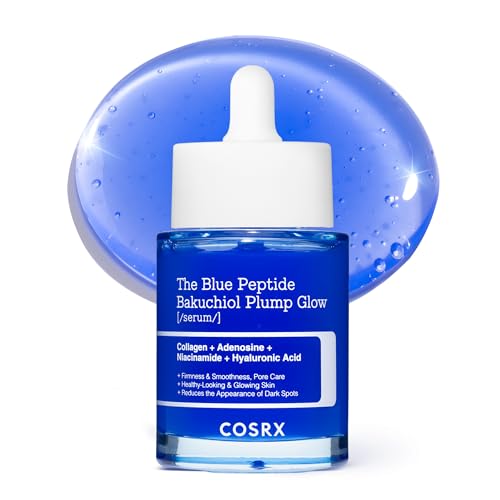
GHK-Cu vs. Other Peptides: Argireline, Matrixyl, and Palmitoyl Tripeptide-5
The peptide category is vast, with many synthetic peptides designed to mimic natural biological functions. Three common examples often found in anti-aging formulations are Argireline, Matrixyl (specifically Matrixyl 3000 and Synthe’6), and Palmitoyl Tripeptide-5.
Argireline (Acetyl Hexapeptide-8) is known as a “botox-like” peptide, working by interfering with neurotransmitter release to temporarily relax facial muscles and reduce expression lines. Its mechanism is primarily focused on muscle relaxation, not direct collagen synthesis or broad tissue repair.
Matrixyl peptides (e.g., Palmitoyl Tetrapeptide-7 and Palmitoyl Oligopeptide in Matrixyl 3000, or Palmitoyl Tripeptide-38 in Synthe’6) are often referred to as “matrikines.” They signal to fibroblasts to produce more collagen, elastin, and hyaluronic acid, similar to GHK-Cu’s collagen-stimulating effects. However, their scope of action is generally more focused on extracellular matrix components.
Palmitoyl Tripeptide-5 is another popular peptide that targets collagen production by activating latent TGF-beta, a key growth factor involved in tissue regeneration. It aims to strengthen the skin’s structure and reduce the appearance of wrinkles.
GHK-Cu differentiates itself through its multi-pronged approach. Beyond collagen and elastin stimulation, it actively promotes wound healing, exhibits significant anti-inflammatory and antioxidant properties, and can even stimulate the production of decorin and proteoglycans, crucial for skin structure and hydration. Its ability to regenerate blood vessels, as observed in wound healing studies, further distinguishes its regenerative potential from many other synthetic peptides, which typically have more targeted, singular mechanisms.
GHK-Cu for Hair Growth: Comparing with Minoxidil and Finasteride
Hair thinning and loss are common concerns, and established treatments like minoxidil and finasteride are often recommended. Minoxidil is a vasodilator that extends the anagen (growth) phase of hair follicles and increases their size, while finasteride inhibits the enzyme 5-alpha-reductase, reducing the conversion of testosterone to dihydrotestosterone (DHT), a hormone implicated in androgenetic alopecia.
GHK-Cu presents a different, yet promising, approach to hair growth. Review work by Dr. Pickart and colleagues reports that GHK-Cu accelerates wound healing in hair follicles as well as in skin and other tissues, and lists angiogenesis — the formation of the new blood vessels that supply a follicle — among its documented actions[3]. The further claims that it enlarges follicles, prolongs the anagen phase or inhibits dihydrotestosterone (DHT) formation circulate widely in marketing copy, but we could not locate controlled human trials supporting them in the published literature, so they should be treated as unverified.

While the clinical evidence for GHK-Cu in hair growth is still developing compared to the extensive data for minoxidil and finasteride, its mechanisms suggest a broad regenerative effect on the scalp environment. It may be particularly appealing for individuals seeking a non-pharmaceutical option or those looking to complement existing treatments. Its anti-inflammatory properties could also benefit scalp health, which is often overlooked in hair loss protocols.
GHK-Cu for Post-Procedure Recovery: Against Traditional Wound Care
After aesthetic procedures like chemical peels, laser treatments, or microneedling, skin undergoes controlled injury, and effective recovery is paramount. Traditional post-procedure care often focuses on soothing, hydrating, and protecting the skin with ingredients like ceramides, hyaluronic acid, and occlusives, sometimes alongside topical antibiotics or anti-inflammatory steroids.
GHK-Cu’s role in wound healing and tissue regeneration is one of its most well-documented attributes. Dr. Pickart’s early work specifically highlighted its ability to accelerate wound closure, reduce scarring, and improve the quality of regenerated tissue. It achieves this by promoting cell proliferation, stimulating collagen and elastin synthesis, fostering angiogenesis, and exerting potent anti-inflammatory effects.
Two studies in the Journal of Investigative Dermatology demonstrated GHK-Cu’s ability to modulate wound repair: the first showed it alters the expression and activation of matrix metalloproteinases in healing wounds[4], the second that it raises type I collagen and glycosaminoglycan production in the wound tissue[5]. Both were conducted in rat wound models rather than in humans. By actively signaling for tissue remodeling and minimizing destructive inflammatory responses, GHK-Cu can potentially shorten recovery times, reduce post-inflammatory hyperpigmentation, and enhance overall outcomes following cosmetic procedures. This makes it a superior choice for active regeneration compared to passive soothing agents.
GHK-Cu Copper Peptide vs. Alternatives: At a Glance
| Ingredient | Primary Mechanism | Key Benefits | Potential Drawbacks / Considerations |
|---|---|---|---|
| GHK-Cu Copper Peptide | Signaling peptide, delivers copper, promotes collagen/elastin, anti-inflammatory, antioxidant, angiogenesis | Multifaceted anti-aging, wound healing, reduces scarring, hair growth, well-tolerated | Evidence is still growing for some applications; can be higher cost |
| Retinoids (Retinol, Tretinoin) | Binds to retinoic acid receptors, accelerates cell turnover, stimulates collagen | Reduces wrinkles, improves texture, addresses hyperpigmentation, acne treatment | Irritation, redness, dryness, sun sensitivity, not for pregnant/nursing |
| Argireline | Interferes with neurotransmitter release, relaxes facial muscles | Reduces expression lines and wrinkles | Temporary effect, does not address collagen synthesis or skin health broadly |
| Matrixyl (various forms) | “Matrikine” peptides, signals fibroblasts to produce collagen, elastin, hyaluronic acid | Reduces wrinkle depth, improves skin elasticity | More focused on ECM components; less broad regenerative action than GHK-Cu |
| Palmitoyl Tripeptide-5 | Activates latent TGF-beta, stimulates collagen production | Firms skin, reduces wrinkles | Similar to Matrixyl, generally more targeted than GHK-Cu’s comprehensive action |
| Minoxidil (Hair Growth) | Vasodilator, extends anagen phase, increases follicle size | Stimulates hair growth, slows hair loss | Scalp irritation, dryness, systemic side effects possible, needs continuous use |
| Finasteride (Hair Growth) | 5-alpha-reductase inhibitor, reduces DHT | Slows hair loss, promotes regrowth in some cases | Prescription required, systemic side effects (sexual dysfunction), not for women of childbearing potential |
Navigating the Market: What to Look for in GHK-Cu Products
When searching for GHK-Cu copper peptide products, formulation matters significantly. The stability and bioavailability of the peptide are critical for its efficacy. Look for reputable brands that prioritize ingredient quality and transparency.
Consider the concentration of GHK-Cu. While specific percentages can vary, a concentration of 0.5% to 2.5% is often found in effective serums. Also, pay attention to the overall ingredient list, ensuring it complements the peptide with antioxidants, hydrators, and minimal irritants. Avoid products with excessive fragrances or harsh alcohols that could compromise skin barrier function.
Recommended Product Types to Search For:
When searching online, consider these product categories:

GHK-Cu Copper Peptide Serum: These are typically lightweight, water-based formulations designed for targeted delivery of the peptide. Look for serums specifically labeled for anti-aging or skin repair.
Copper Peptide Hair Growth Solution: For hair concerns, seek out dedicated scalp treatments or serums that list GHK-Cu as a primary active ingredient. These are often formulated to penetrate the scalp effectively.
Post-Procedure Copper Peptide Cream: If you’re looking for recovery support, search for creams or balms explicitly marketed for post-treatment use, often containing soothing and barrier-supporting ingredients alongside GHK-Cu.
Conclusion: GHK-Cu as a Cornerstone for Regenerative Skincare
In 2026, the evidence for GHK-Cu copper peptide positions it not just as another active ingredient, but as a foundational component for advanced regenerative skincare and hair care. Its unique ability to act as a signaling molecule, delivering essential copper to cells, and orchestrating a cascade of beneficial responses sets it apart.
While established alternatives like retinoids and other peptides offer valuable benefits, GHK-Cu’s comprehensive action across collagen synthesis, anti-inflammation, antioxidant protection, angiogenesis, and wound healing provides a distinct advantage, particularly for those seeking holistic cellular rejuvenation and repair. For the skincare-literate individual ready to graduate to truly targeted actives, GHK-Cu represents a compelling, evidence-backed choice to address skin laxity, texture concerns, hair thinning, and accelerate post-procedure recovery.
Frequently Asked Questions About GHK-Cu Copper Peptide
What is the optimal concentration of GHK-Cu to look for in products?
While specific needs vary, research suggests concentrations between 0.5% and 2.5% GHK-Cu are generally effective for visible results in skincare and hair care products. Always refer to the product’s specific formulation and usage instructions.
Can GHK-Cu be used with other active ingredients like Vitamin C or Retinol?
GHK-Cu is generally well-tolerated. It can often be used alongside Vitamin C, though some prefer to use them at different times of day (e.g., Vitamin C in the morning, GHK-Cu at night). When combining with Retinol, consider alternating nights or using GHK-Cu in the morning to minimize potential irritation, especially if you have sensitive skin. Always patch test first.
How long does it take to see results from GHK-Cu?
Results can vary depending on individual skin concerns and product consistency. Some users report improvements in skin texture and radiance within a few weeks, while more significant changes in wrinkle reduction or skin firmness may take 8-12 weeks or longer of consistent use. For hair growth, results typically require several months.
Is GHK-Cu safe for sensitive skin?
Yes, GHK-Cu is generally considered very gentle and well-tolerated, even for sensitive skin, due to its natural presence in the body and its anti-inflammatory properties. It is often recommended as an alternative for those who cannot tolerate more irritating actives like retinoids. However, as with any new product, a patch test is always advisable.
Can GHK-Cu help with acne or acne scarring?
While not a primary acne treatment, GHK-Cu’s anti-inflammatory properties can help calm irritated skin. More significantly, its proven ability to promote wound healing and reduce scarring makes it highly beneficial for improving the appearance of post-acne marks and overall skin texture damaged by previous breakouts.
Are there any known side effects of GHK-Cu?
Topical GHK-Cu is generally safe and well-tolerated. Rare reports of mild irritation or allergic reactions are possible, as with any cosmetic ingredient. If you experience persistent redness, itching, or discomfort, discontinue use and consult a dermatologist. It is not recommended for internal use.
References
- Pickart L, Margolina A. Regenerative and Protective Actions of the GHK-Cu Peptide in the Light of the New Gene Data. International Journal of Molecular Sciences (2018). PMID 29986520 (authors affiliated with Skin Biology, a company that sells copper-peptide products)
- Jiang F, Wu Y, Liu Z, Hong M, Huang Y. Synergy of GHK-Cu and hyaluronic acid on collagen IV upregulation via fibroblast and ex-vivo skin tests. Journal of Cosmetic Dermatology (2023). PMID 37062921
- Pickart L, Vasquez-Soltero JM, Margolina A. GHK Peptide as a Natural Modulator of Multiple Cellular Pathways in Skin Regeneration. BioMed Research International (2015). PMID 26236730 (authors affiliated with Skin Biology, a company that sells copper-peptide products)
- Siméon A, Monier F, Emonard H, Gillery P, Birembaut P, Hornebeck W. Expression and activation of matrix metalloproteinases in wounds: modulation by the tripeptide-copper complex glycyl-L-histidyl-L-lysine-Cu2+. Journal of Investigative Dermatology (1999). PMID 10383745
- Siméon A, Wegrowski Y, Bontemps Y, Maquart FX. Expression of glycosaminoglycans and small proteoglycans in wounds: modulation by the tripeptide-copper complex glycyl-L-histidyl-L-lysine-Cu(2+). Journal of Investigative Dermatology (2000). PMID 11121126
These statements have not been evaluated by the FDA. This product is not intended to diagnose, treat, cure, or prevent any disease.
These statements have not been evaluated by the Food and Drug Administration. This information is not intended to diagnose, treat, cure, or prevent any disease. Content is for informational purposes only and is not medical advice; consult a qualified healthcare provider before starting any supplement. As an Amazon Associate we earn from qualifying purchases.
