Topical copper peptides — specifically GHK-Cu (glycyl-L-histidyl-L-lysine copper II) — have gained attention in hair-care routines for thinning hair. This naturally occurring copper-binding peptide is present in human plasma and declines with age; in cosmetic formulations it is marketed to support scalp health and hair appearance.
This guide reviews how GHK-Cu is proposed to work, what to look for on ingredient labels, and the current state of evidence — so you can choose a product that fits your routine and budget without overstated promises.
Key Takeaways
- GHK-Cu is a cosmetic ingredient with a well-characterized safety profile for topical use, but it is not an FDA-approved hair-loss treatment.
- Preclinical data show GHK-Cu can upregulate collagen, elastin, and antioxidant genes, which may support scalp skin quality — direct human hair-growth data are sparse.[1]
- Choose serums that disclose concentration (0.1–0.5% typical), use protective packaging, and avoid incompatible actives in the same step.
- Apply consistently to a clean scalp for 8–12 weeks to evaluate cosmetic effects; stop if irritation occurs.
- Consult a dermatologist or healthcare provider for diagnosed hair-loss conditions (androgenetic alopecia, telogen effluvium, etc.) before relying on cosmetic serums alone.
What Is GHK-Cu and How Is It Used in Hair Serums?
GHK-Cu is a tripeptide that binds copper ions and is found endogenously in human plasma, where levels decrease significantly with age. In cosmetic chemistry it is formulated into serums, creams, and scalp treatments at low concentrations (typically 0.1% to 1%) as a leave-on ingredient. The Cosmetic Ingredient Review (CIR) Expert Panel has assessed copper tripeptide-1 as safe for use in topical cosmetic products at current practices and concentrations. No topical GHK-Cu product is FDA-approved to treat, cure, or prevent any disease, including hair loss.
Proposed Mechanisms Relevant to Scalp and Hair
In preclinical and gene-expression studies, GHK-Cu has been shown to upregulate genes associated with collagen I and III synthesis, elastin production, and glycosaminoglycan formation, while also modulating hundreds of genes involved in antioxidant defense and tissue remodeling pathways.[2] These activities are theorized to support the dermal extracellular matrix and microcirculation around hair follicles, which may create a more favorable environment for existing hair. However, direct clinical evidence linking topical GHK-Cu application to increased hair density or reduced shedding in humans is limited.
What to Look for on the Label
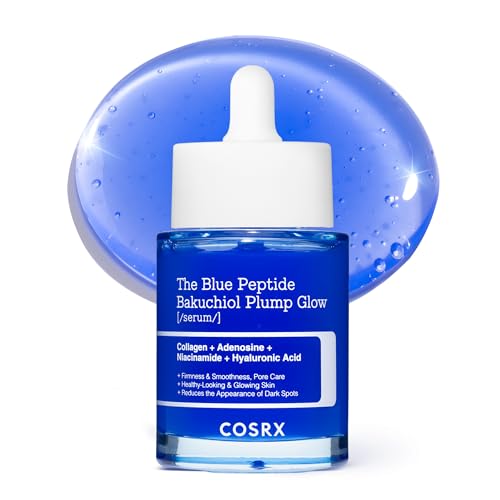
Concentration transparency: Reputable brands disclose the percentage of copper tripeptide-1 (often listed as Copper Tripeptide-1 or GHK-Cu) — commonly 0.1% to 0.5% in leave-on serums. Vehicle and stability: GHK-Cu is water-soluble and can degrade in the presence of strong oxidants, low pH, or certain metal ions; opaque, airless packaging helps preserve potency. Complementary ingredients: Many serums pair GHK-Cu with humectants (hyaluronic acid, glycerin), soothing agents (panthenol, allantoin), or other peptides; avoid formulas that combine it with direct acids (e.g., L-ascorbic acid < pH 3.5) or strong retinoids in the same step, as these may compromise peptide stability. Third-party testing: Look for brands that provide certificates of analysis or microbial challenge testing for peptide content and preservative efficacy.
How to Incorporate a Copper Peptide Serum Into Your Routine
Apply a few drops to a clean, damp scalp once or twice daily, massaging gently for even distribution. Allow it to absorb before layering heavier products or styling aids. Because GHK-Cu is not a drug, results — if any — are gradual and cosmetic (e.g., improved scalp feel, appearance of fullness). Consistency over 8–12 weeks is typical for assessing cosmetic benefit. Discontinue if irritation, redness, or itching occurs.
Safety Profile and Regulatory Status
The CIR Expert Panel concluded that copper tripeptide-1 is safe in cosmetic formulations at current use concentrations and practices. Topical GHK-Cu is not an injectable or compounded research peptide; it is regulated as a cosmetic ingredient. Individuals with known copper allergy, Wilson’s disease, or impaired copper metabolism should consult a healthcare provider before use. Pregnant or nursing individuals should seek medical advice prior to adding new active ingredients.
Shopping Checklist: 5 Questions to Ask Before Buying
1) Does the label state the exact concentration of copper tripeptide-1? 2) Is the packaging opaque and air-restrictive (pump or dropper in amber bottle)? 3) Are the full ingredients listed, and is the pH likely compatible with peptide stability (typically 5.0–7.0)? 4) Does the brand provide batch-specific testing or a certificate of analysis? 5) Is the price consistent with the disclosed concentration and packaging quality — extremely low-cost products may contain negligible peptide amounts.
🛒 Where to Buy GHK-Cu (Copper Peptide)

- NIOD Copper Amino Isolate Serum 2:1 (CAIS 2:1)Lab-tested / studied
liquid, 1-2 drops applied topically PM; can use AM for accelerated protocols — Flagship high-concentration copper peptide serum from DECIEM; proprietary copper complex delivery at elevated percentage; best-in-class premium benchmark - The Ordinary Buffet + Copper Peptides 1%
liquid, 2-3 drops applied topically AM or PM after cleansing — Most accessible entry point; combines multi-technology peptide base with 1% copper tripeptide-1; ideal for first-time copper peptide users; widely available - Cosmetic Skin Solutions Copper Peptide Serum 2%
liquid, 2-3 drops applied to clean skin AM or PM — 2% copper peptide concentration at accessible price; strong Amazon reviews for post-procedure skin recovery; direct lab-to-consumer model keeps costs low - Skin Actives Scientific Copper Peptide Serum
liquid, 3-4 drops applied to face and neck AM or PM — Lab-direct brand with high-purity actives at competitive prices; transparent ingredient sourcing; popular with the DIY skincare and science-forward skincare community
As an Amazon Associate we earn from qualifying purchases. GHK-Cu quality depends on packaging and disclosure more than price. Choose an airless pump or sealed dropper rather than an open-top jar, and prefer a brand that states the actual peptide percentage on the label.
A Note on the Evidence
This article is informational, not medical advice. Topical GHK-Cu is a cosmetic ingredient; it is not FDA-approved to treat hair loss. Evidence for hair-specific benefits in humans is limited. See a board-certified dermatologist for evaluation of thinning hair or diagnosed alopecia.
Frequently Asked Questions
Does GHK-Cu regrow hair?
Topical GHK-Cu is a cosmetic ingredient, not a drug. Preclinical studies show it upregulates genes for collagen, elastin, and antioxidant pathways, but there are no large, controlled clinical trials demonstrating hair regrowth in humans.
What concentration of copper peptide is effective?
Most cosmetic serums use 0.1% to 0.5% copper tripeptide-1. No established minimum effective dose for hair outcomes exists in published literature; start with a disclosed, stable formulation.

Can I use copper peptide serum with minoxidil?
No formal interaction studies exist. Many users apply GHK-Cu at a different time of day than minoxidil to avoid potential pH or vehicle conflicts. Ask your dermatologist for personalized scheduling.
Are there side effects?
The CIR Panel rates copper tripeptide-1 as safe in current cosmetic use. Rarely, sensitive individuals may experience mild irritation, redness, or itching — discontinue if this occurs.
How long before I see results?
Cosmetic improvements in scalp feel or hair appearance, if any, typically require 8–12 weeks of consistent daily use. GHK-Cu does not produce rapid or guaranteed changes.
Is injectable GHK-Cu the same as topical serums?
No. Injectable or compounded GHK-Cu is a different regulatory category and not sold as a cosmetic. This guide covers only topical cosmetic serums and creams.
References
- The human tri-peptide GHK and tissue remodeling. Journal of Biomaterials Science, Polymer Edition (2008). PMID 18644225 (authors affiliated with Skin Biology, a company that sells copper-peptide products)
- GHK Peptide as a Natural Modulator of Multiple Cellular Pathways in Skin Regeneration. BioMed Research International (2015). PMID 26236730 (authors affiliated with Skin Biology, a company that sells copper-peptide products)
These statements have not been evaluated by the Food and Drug Administration. This information is not intended to diagnose, treat, cure, or prevent any disease. Content is for informational purposes only and is not medical advice; consult a qualified healthcare provider before starting any supplement. As an Amazon Associate we earn from qualifying purchases.
