A 2024 study in the journal Cureus reported that a scalp regimen built around a hydroxy acid scrub and a copper tripeptide serum cut dandruff flaking by 61% in 15 days[1]. That is the kind of result that gets quoted on a product page. It is worth looking at what was actually in the regimen, who ran the study and what it compared against.
The short answer is that this was a single-arm, open-label test of three products used together, run by a team that included an employee of the maker. It can say how people’s scalps looked over two weeks. It cannot say what the copper peptide did.
Key Takeaways
- The study enrolled 32 adults with mild to moderate dandruff, 29 completed it, and it lasted 15 days with no control group[1].
- The regimen was a hydroxy acid scrub, a serum with copper tripeptide-1 plus four other ingredients, and a shampoo supplied to everyone[1].
- The flaking score fell 24.64% after a single scrub-and-wash session on day 1, before a serum could plausibly act, and 61.24% by day 15[1].
- One author is an employee of the manufacturer, and three are employed by or were paid by the contract research firm that ran the study[1].
- Nothing in the design can separate the copper peptide from the exfoliating acids, the washing or the other serum ingredients.
What Was in the Regimen
The test regimen had three parts. The scrub contained alpha-hydroxy acid, beta-hydroxy acid, polyhydroxy acid, salicylic acid, glycolic acid and orange peel oil, and was used twice a week: massaged into a dry scalp, left for 10 minutes and rinsed out[1]. The serum contained copper tripeptide-1, witch hazel, hesperidin, hyaluronic acid and pea protein, and was applied daily as a leave-in[1].
The third part is easy to overlook. A footnote to the paper’s product table says a rosemary shampoo from the same brand was provided to all participants to keep their washing consistent[1]. So the participants used a scrub, a serum and a shampoo, all from one maker.
The paper names the peptide as copper tripeptide-1, which is the cosmetic label used for GHK-Cu, as explained in the site’s guide to the ingredient label. It gives no sequence, concentration or supplier for it, and no concentration for any other ingredient[1].
Who Was Studied and How
This was a prospective, interventional, open-label, single-arm, single-center study in India, registered with the Clinical Trials Registry of India. It ran from January 1 to January 30, 2024[1]. Open-label means everyone knew what they were using. Single-arm means there was no comparison group.
Thirty-two adults were enrolled, 17 women and 15 men, with an average age of about 27[1]. Twenty-nine completed the protocol, and the three who left were left out of the analysis[1]. Participants had mild to moderate dandruff on a standard flaking score and had left their scalp unwashed and untreated for five days before assessment[1].
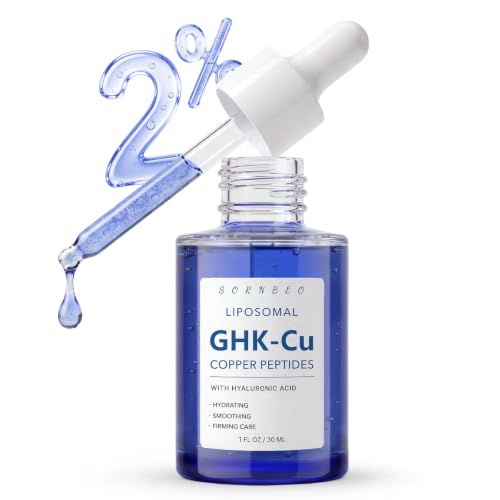
The title uses the term seborrheic dermatitis. The people actually recruited were described as having mild to moderate dandruff, and people with other scalp skin conditions were excluded[1]. The paper does not include an antidandruff shampoo or any other product as a comparator.
The Main Result, and the Timing Problem
The main measure was the Adherent Scalp Flaking Score. The scalp is divided into eight zones, each graded 0 to 10 for adherent flakes, giving a total from 0 to 80[1]. The average score was 30.76 at baseline, 20.31 on day 8 and 11.79 on day 15, which the authors report as reductions of 33.22% and 61.24%[1].
The score at the 60-minute mark on day 1 matters most. After the first use of the products and a wash, the average had already fallen to 23.17, a 24.64% reduction[1]. One session cannot show an effect of a serum on the scalp’s flaking biology. It shows what cleaning and exfoliating do to visible flakes.
The authors’ own discussion supports that reading. It cites earlier work in which a significant fall in this score indicated that hair washing reduced adherent flakes[1]. About 40% of the day-15 reduction (24.64 of 61.24 percentage points) had therefore appeared before the regimen had a chance to do anything beyond washing and exfoliating.
Hair Density, Thickness and Hydration
The study also reported hair measures from a marked 1 cm² patch of scalp, photographed with a phototrichogram device. Hair density rose from 231.14 per square centimeter at baseline to 259.59 by day 15, and hair thickness rose from 13.66 to 17.00 micrometers. The abstract states these as increases of 12.48% and 25.36%[1].
Scalp hydration, measured with a Corneometer, rose from 10.03 to 17.36 on the Corneometer scale over the same 15 days[1]. The paper’s conclusion says the regimen strengthens the hair[1]. It does not explain how hair counts and fiber thickness at one small site could change this much in two weeks, and it lists the short duration as a limitation.

The measurements also began shortly after a scrub and wash on day 1, and the first post-treatment reading at 60 minutes showed no significant change in either hair measure[1]. A reader looking for evidence that the copper peptide acts on hair should read the site’s page on the follicle regeneration research instead. This study was not designed to test that.
Itch, Redness and Satisfaction
The study also graded itchiness, redness, roughness and scaliness. By day 15, 93.10% showed no itchiness, up from 3.45% at baseline, and 89.66% showed no redness, up from 10.34%[1]. These are reported as percentages of participants in each grade, without a control group to say what would have happened anyway.
A nine-point satisfaction scale found 100% of participants satisfied with the regimen after 15 days, and the paper reports that fewer were satisfied with products they had used before[1]. Only 24.14% had used other products. In an open-label study of a product the participants were handed, high satisfaction is a weak signal, because everyone knows what they are meant to be rating.
Numbers That Do Not Quite Line Up
The text says 29 participants completed the study, and the day-1 and day-15 counts in the paper’s scalp condition table sum to 29. The day-8 counts in that same table sum to 26, and the day-8 percentages in the text, such as 3.85% and 7.69%, correspond to 26 people[1]. The paper does not explain why three people are missing at the middle visit.
The inclusion text gives an age range of 18 to 50, and elsewhere the study design text says 18 to 55[1]. These are small inconsistencies. They matter mostly because the paper’s tables and prose are the only documentation of what was done.
Funding and Authorship
The disclosures say no financial support was received from any organization for the work. Two authors are employed by NovoBliss Research, the contract research organization that ran the study, and a third reports personal fees from it. Another author is employed by Anveya Living, which the paper identifies as the manufacturer of the test products[1].
The acknowledgments thank Anveya for its collaborative support. None of this is unusual for a product claim study, and the paper reports it openly. It does mean the study should be read as a company-linked test of a company’s regimen, not as independent research.
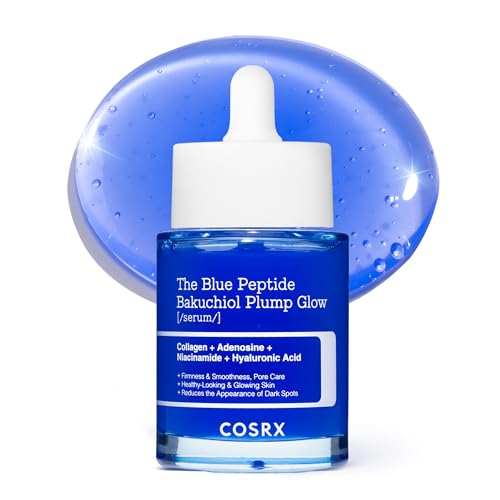
What the Study Cannot Say About Copper Peptides
The paper’s discussion walks through each ingredient and credits it with a role drawn from other literature, including the copper peptide as a stimulant of hair growth[1]. Those are statements about each ingredient in general. The study itself tested none of them separately.
To attribute any change to the copper peptide, the study would need at least a version of the regimen with the serum minus the copper peptide, and ideally the scrub and shampoo alone. It had neither. We found no other clinical study of copper tripeptide products in dandruff or seborrheic dermatitis, so this paper stands alone.
The regimen also combines an acid scrub with a peptide serum, which the site’s page on GHK-Cu and exfoliating acids treats as a pH question. The paper’s table does not say in what order the two were used on scrub days[1]. The study therefore says nothing about how the acid scrub and the copper peptide interact.
A Fair Reading
Over 15 days, 29 adults using this three-product regimen had much lower flaking scores, with about 40% of the day-15 reduction showing up after a single scrub-and-wash session[1]. That is a plausible short-term result for an exfoliating scrub followed by a wash, and the paper does not claim otherwise in its limitations.
It is not evidence that copper peptides treat dandruff, thicken hair or work as part of an acid regimen. Persistent flaking, redness or itching on the scalp can have several causes, and a clinician can tell them apart. The site’s guide to copper peptide hair serums sets out what to weigh before buying one.
Frequently Asked Questions
Does a copper peptide serum treat dandruff?
There is no evidence that it does on its own. The one clinical study found, a 15-day open-label test of a scrub, a serum and a shampoo used together, had no control group and could not separate the copper peptide from the other products.
How big was the dandruff study?
It enrolled 32 adults with mild to moderate dandruff, and 29 completed it. It lasted 15 days at a single center in India and had no comparison group.
How much did flaking fall?
The flaking score fell 24.64% on the first day after one scrub-and-wash session and 61.24% by day 15. About 40% of the day-15 reduction therefore appeared before the serum could plausibly have acted.
Who funded the study?
The authors state that no financial support was received from any organization. One author is employed by the manufacturer, Anveya Living, and three others are employed by or were paid by the contract research firm that ran the study.
Did the study show that the serum thickened hair?
It reported increases in hair density and thickness at a marked patch of scalp within 15 days. The study had no control group and did not isolate the serum, so it cannot attribute those changes to the copper peptide.
References
- Patel MN, et al. An Assessment of the Safety, Efficacy, and Tolerability of a Novel Scalp Treatment Regimen Combining a Hydroxy Acid-Based Scrub and Copper Tripeptide Serum in the Management of Seborrheic Dermatitis in Adults. Cureus (2024). PMID 39449909
These statements have not been evaluated by the Food and Drug Administration. This information is not intended to diagnose, treat, cure, or prevent any disease. Content is for informational purposes only and is not medical advice; consult a qualified healthcare provider before starting any supplement. As an Amazon Associate we earn from qualifying purchases.