Search the wound healing literature for GHK-Cu and diabetic wounds and you will find real papers, including two published in 2026. That is more than most cosmetic peptide claims can offer. The catch is in what those papers actually put on the wound, and it is never the thing sitting in a serum bottle.
This article covers GHK-Cu as a cosmetic ingredient. It is not medical advice, and nothing here has been evaluated by the FDA.
Key Takeaways
- A 2007 study in streptozotocin-induced diabetic rats tested a biotinylated GHK peptide incorporated into a collagen matrix, not a peptide solution, and reported faster wound contraction than untreated or plain collagen controls [1].
- A 2022 study built GHK into a self-assembling RADA16 nanofiber hydrogel that chelates copper, and attributed the improvement to angiogenesis [2].
- Two 2026 hydrogels use GHK-Cu mainly as a catalyst: glucose oxidase makes hydrogen peroxide, and the copper in GHK-Cu converts that peroxide to oxygen to relieve wound hypoxia [3][4].
- Every one of these is an engineered dressing in an animal model. The one human trial is older: in 1994 a GHK-Cu gel was tested on diabetic foot ulcers alongside standard wound care[6].
- A diabetic ulcer is a wound care clinic problem, not a skincare problem, and delay carries real consequences.
Why Diabetic Wounds Are a Different Problem
An ordinary cut closes through an orderly sequence: clotting, inflammation, new tissue, then remodeling. Chronically elevated blood glucose interferes at several points at once. Leukocyte function drops and cells are effectively malnourished, which is why infection rates are high and healing stalls [1]. Blood supply to the extremities is often already compromised, so the tissue is short of oxygen before the wound even happens.
That combination is why diabetic wound research is its own field rather than a footnote in general wound healing. A material that speeds up a healthy wound may do nothing in a wound that is failing for metabolic reasons. It is also why the studies below are mostly materials science papers rather than pharmacology papers. The researchers are not asking whether a peptide works on its own. They are asking whether a dressing can repair an environment.
The 2007 Rat Study That Started the Thread
The earliest direct test is from 2007. Researchers incorporated a biotinylated form of the GHK peptide into a collagen biomaterial and applied it to wounds in streptozotocin-induced diabetic rats, comparing it against untreated wounds and against a plain collagen film [1].
The peptide incorporated collagen group healed faster, with an increased rate of wound contraction. Skin glutathione and ascorbic acid, both antioxidants, were higher than in the untreated and plain collagen groups. Superoxide dismutase and catalase activity shifted across all groups. Histology showed epithelialization, increased collagen synthesis, and activation of fibroblasts and mast cells in the peptide group. Cell culture work in the same study found the material promoted fibroblast growth [1].
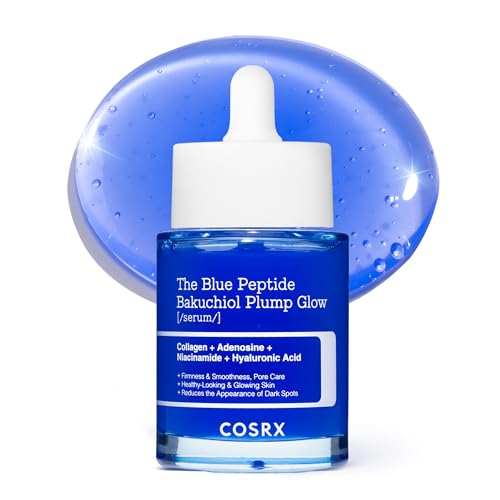
Two details are worth holding onto. The peptide was biotinylated, a chemical modification, and it was bound into a collagen matrix rather than applied as a solution. The authors framed their own result as providing a rationale for topical application of this specific construct [1]. A rationale for further work is not a demonstration of clinical effect, and the paper says as much.
The Engineering Turn
By 2022 the approach had changed character. Rather than adding GHK to an existing material, researchers designed the material around it. A self-assembling peptide called RADA16 forms a nanofiber structure that mimics the architecture of natural extracellular matrix, but it carries no biological instructions on its own. Functionalizing RADA16 with GHK gave the scaffold a copper chelation site and a biological cue [2].
The reported mechanism was angiogenesis. The composite hydrogel enhanced adhesion and proliferation of endothelial cells in culture, and improved healing in a diabetic animal model [2]. Angiogenesis is a sensible target, since poor blood supply is one of the reasons these wounds stall.
Note what the peptide is doing here. It is a copper binding site and an endothelial cue built into a scaffold that is doing structural work of its own. Remove the scaffold and you do not have a treatment left over.
What the 2026 Papers Actually Use GHK-Cu For
The two most recent studies are the most interesting, and the easiest to misread. Both build a catalytic cascade, and in both, GHK-Cu is the second step in a chemical relay.
The first loads glucose oxidase into a hydrogel alongside GHK-Cu. Glucose oxidase consumes excess glucose in the wound, which lowers local hyperglycemia and starves bacteria of nutrients, and in doing so generates hydrogen peroxide. That peroxide is antibacterial but also damaging, and the reaction consumes oxygen in a wound that is already short of it. The copper in GHK-Cu then mediates the breakdown of hydrogen peroxide through a catalase-like reaction, releasing oxygen locally and relieving the hypoxia the first step created [3].
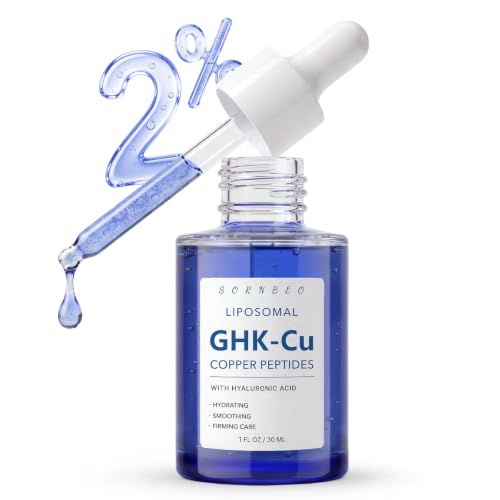
The second study wraps a similar cascade in a chitosan and oxidized alginate hydrogel carrying tea-derived exosomes. Again glucose oxidase converts hyperglycemia into antibacterial peroxide, and again GHK-Cu drives the conversion of that peroxide to oxygen, preventing peroxide overload and improving the hypoxic microenvironment. The exosome component shifts macrophages toward a reparative phenotype and supports angiogenesis [4].
So in both 2026 papers the headline role of GHK-Cu is catalytic chemistry rather than gene regulation. It is there because copper decomposes hydrogen peroxide. That is a genuine and useful function, and it is not the function a copper peptide serum is marketed for.
The Gap Between This and a Product
None of these four studies tested a topical GHK-Cu solution on a diabetic wound. They tested a biotinylated peptide in collagen, a functionalized nanofiber scaffold, and two enzyme-loaded catalytic hydrogels. All were animal or in vitro models.
The one human trial is older and easy to miss. In 1994 a multicenter, randomized, evaluator-blinded, placebo-controlled study tested a GHK-Cu gel, then sold as Iamin Gel, on diabetic neuropathic foot ulcers. Every patient also received standardized wound care: debridement, pressure-relieving footwear and education[6].
Median closure of plantar ulcers was 98.5% with the gel against 60.8% with the same gel minus the peptide[6]. We found no later published trial that repeated it, and the gel was a wound treatment used under clinical care, not a skincare serum.
The broader picture matches what a 2026 scoping review found when it surveyed emerging peptide supplements more broadly, GHK-Cu among them: most of the literature is preclinical animal work, human studies are few and often poorly controlled, and the claimed benefits remain unsubstantiated by current human trials [5].
It is worth being precise about what that does and does not mean. It does not mean the chemistry is fake. Copper really does catalyze peroxide decomposition, and these dressings really did improve healing in rodents. It means the evidence supports a class of engineered wound dressings that are not commercially available, rather than a serum you can buy.
The Practical Position
If you have diabetes and a wound that is not healing, particularly on the foot, that is a clinical situation with a well-established standard of care involving pressure offloading, debridement, infection control, and vascular assessment. Delaying that to try a cosmetic product is the actual risk in this topic. Diabetic foot ulcers precede a large share of lower limb amputations, and time matters more than ingredient choice.
Nothing in this research suggests a copper peptide serum is a wound treatment. What it suggests is that GHK, and specifically the copper it carries, is a useful building block for people designing advanced dressings. That is an encouraging direction for a research field. It is not a product recommendation.

Frequently Asked Questions
Has GHK-Cu been tested on human diabetic wounds?
Once, in 1994: a multicenter, randomized, placebo-controlled trial tested a GHK-Cu gel on diabetic foot ulcers alongside standardized wound care and reported more complete closure than the vehicle gel[6]. The newer studies discussed here are in rodents and in cell culture, and each one used GHK or GHK-Cu built into an engineered material rather than applied as a plain topical solution [1][2].
Can I put a copper peptide serum on a slow-healing wound?
Cosmetic serums are formulated for intact skin, not open wounds, and a wound that is not healing in someone with diabetes needs clinical assessment rather than a skincare product. Nothing in this literature supports substituting a serum for wound care.
Why do the newest studies pair glucose oxidase with GHK-Cu?
Because glucose oxidase turns the excess glucose in the wound into an antibacterial agent, hydrogen peroxide, while consuming oxygen. GHK-Cu is included to convert that peroxide back into oxygen, which prevents peroxide overload and relieves hypoxia [3][4].
Does this mean copper peptides help healing generally?
It means copper chemistry is useful inside a designed dressing. Generalizing from a catalytic hydrogel in a diabetic rat to daily cosmetic use on intact skin skips several steps that nobody has taken yet.
References
- Arul V, Kartha R, Jayakumar R. A Therapeutic Approach for Diabetic Wound Healing Using Biotinylated GHK Incorporated Collagen Matrices. Life Sciences (2007). PMID 17049946
- Yang X, Zhang Y, Huang C, Lu L, et al. Biomimetic Hydrogel Scaffolds with Copper Peptide-Functionalized RADA16 Nanofiber Improve Wound Healing in Diabetes. Macromolecular Bioscience (2022). PMID 35598070
- Huang ZJ, Huang RF, Jiao PP, Zheng S, et al. Copper Peptide Activated Cascade Catalysis for Glucose Regulation and Hypoxia Reversing in Infected Diabetic Wound Healing. Materials Today Bio (2026). PMID 42404628
- Xie LH, Zhou XH, Wen WQ, Wang W, et al. A Tea Exosome-Integrated Self-Oxygenating Cascade Chitosan/Oxidized Alginate Hydrogel for Remodeling the Hyperglycemic and Hypoxic Microenvironment in Diabetic Wound Healing. Carbohydrate Polymers (2026). PMID 42586657
- Tewari K, Liu TP, Im C, Hamad C, et al. Peptide Supplements and Their Therapeutic Applications in Sports Medicine. The American Journal of Sports Medicine (2026). PMID 42578445
- Mulder GD, et al. Enhanced healing of ulcers in patients with diabetes by topical treatment with glycyl-l-histidyl-l-lysine copper. Wound Repair and Regeneration (1994). PMID 17147644
These statements have not been evaluated by the FDA. This product is not intended to diagnose, treat, cure, or prevent any disease. This article is for informational purposes only and is not a substitute for professional medical or dermatological advice. As an Amazon Associate we earn from qualifying purchases.
These statements have not been evaluated by the Food and Drug Administration. This information is not intended to diagnose, treat, cure, or prevent any disease. Content is for informational purposes only and is not medical advice; consult a qualified healthcare provider before starting any supplement. As an Amazon Associate we earn from qualifying purchases.