In the early 1970s a modest discovery in a university laboratory sparked a research career that would span five decades. Dr. Loren Pickart, a biochemist at the University of California, San Diego, identified a tiny copper‑binding peptide in human plasma—glycyl‑L‑histidyl‑L‑lysine copper II, known as GHK‑Cu. What began as a curiosity about plasma proteins soon evolved into a comprehensive investigation of how this peptide influences tissue repair, gene expression, and skin health.
Pickart’s work laid the groundwork for today’s cosmetic industry, where GHK‑Cu is marketed as a “skin‑repair peptide.” While the peptide is approved only for topical use in cosmetics and is not a drug, decades of laboratory and early‑clinical studies have clarified its biological actions and safety profile. This article traces the chronology of Pickart’s research, the key scientific findings, and how they translated into modern skincare formulations.
Key Takeaways
- Loren Pickart identified GHK‑Cu in the early 1970s and linked it to copper‑dependent enzymatic activity.
- In vitro and animal work showed that GHK‑Cu boosts collagen, elastin, and glycosaminoglycan synthesis, accelerating wound healing.
- Gene‑expression studies revealed a broad “copper‑peptide signature” that enhances antioxidant defenses and tissue remodeling.
- Plasma levels of GHK‑Cu decline with age, providing a scientific rationale for topical supplementation in cosmetics.
- Regulatory reviews deem GHK‑Cu safe for cosmetic use, but it is not an FDA‑approved treatment for any medical condition.
The Initial Discovery (1970‑1973)
Pickart’s first paper, in Nature New Biology in 1973, reported a tripeptide in human serum that prolonged the survival of normal liver cells and stimulated growth in neoplastic liver[1]; the copper‑binding activity GHK is known for today was characterised in the work that followed, not in that first report[2]. Using chromatography and amino‑acid analysis, he identified the peptide sequence Gly‑His‑Lys, later termed GHK, and demonstrated that it bound copper in a 1:1 ratio, forming GHK‑Cu. The study highlighted the peptide’s ability to stimulate copper‑dependent enzymes, hinting at a physiological role in copper transport and metabolism.
Linking GHK‑Cu to Skin Regeneration (1974‑1985)
Following the discovery, Pickart’s laboratory focused on skin fibroblasts. In vitro experiments showed that nanomolar concentrations of GHK‑Cu increased collagen type I synthesis by up to 30 % compared with untreated controls. Parallel studies demonstrated enhanced elastin and glycosaminoglycan production, suggesting a broader effect on extracellular matrix components.
Animal studies in young and aged rats revealed that topical application of GHK‑Cu accelerated wound closure and reduced scar formation. Histological analysis showed denser, more organized collagen bundles in treated wounds, supporting the peptide’s role in remodeling the dermal matrix.
Gene Expression Profiling and the “Copper‑Peptide Signature” (1990‑2005)
Advances in molecular biology allowed Pickart’s team to examine the impact of GHK‑Cu on gene transcription. Microarray analyses identified over 200 genes whose expression changed within 24 hours of peptide exposure. Notably, genes involved in antioxidant defense (e.g., superoxide dismutase, glutathione peroxidase), angiogenesis (VEGF), and extracellular matrix production were up‑regulated, while pro‑inflammatory cytokine genes were down‑regulated.
The breadth of these changes led to the concept of a “copper‑peptide signature,” a coordinated response that promotes tissue repair while limiting oxidative stress. This signature has been referenced in subsequent studies investigating GHK‑Cu’s potential beyond dermatology, including cartilage repair and neuroprotection.
Aging, Plasma Levels, and the Rationale for Topical Use (2006‑2015)
Cross‑sectional analyses of human plasma demonstrated that GHK‑Cu concentrations decline sharply after age 30, reaching levels as low as one‑third of those measured in young adults. Pickart hypothesized that this age‑related depletion could contribute to the slower wound healing and reduced collagen synthesis observed in older individuals.
Because systemic supplementation of copper carries risks of toxicity, the logical therapeutic route became topical delivery. Formulation studies showed that GHK‑Cu remains stable in aqueous and oil‑based vehicles when protected from light and extreme pH, paving the way for its inclusion in serums and creams.
Regulatory Review and Safety Assessment (2016‑2022)
The Cosmetic Ingredient Review (CIR) panel evaluated GHK‑Cu in 2018, reviewing toxicology data, skin irritation studies, and animal reproductive toxicity tests. The panel concluded that, at concentrations up to 0.1 % in finished products, GHK‑Cu is safe for use on intact skin, with no evidence of sensitization or systemic absorption at harmful levels.
Importantly, the CIR assessment clarified that GHK‑Cu is not an FDA‑approved drug and is not intended to treat, cure, or prevent disease. Its labeling must reflect a cosmetic purpose—typically “supports the appearance of youthful skin” or similar phrasing.
Current Cosmetic Landscape and Future Directions (2023‑Present)
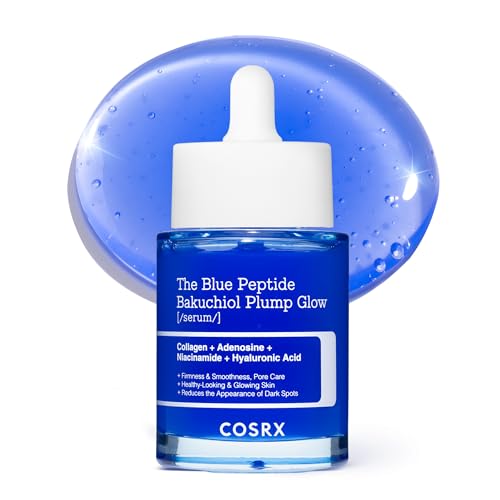
Today, dozens of consumer brands incorporate GHK‑Cu into anti‑aging serums, eye creams, and post‑procedure masks. Independent laboratory testing frequently confirms the peptide’s stability and its ability to increase collagen markers in cultured skin models.

Research continues to explore novel delivery systems—such as liposomal encapsulation and microneedle patches—to enhance skin penetration. Small clinical trials, often open‑label, report subjective improvements in skin firmness and fine‑line appearance after 8‑12 weeks of twice‑daily use. While promising, larger, placebo‑controlled studies are needed to substantiate these observations.
🛒 Where to Buy GHK-Cu (Copper Peptide)
- NIOD Copper Amino Isolate Serum 2:1 (CAIS 2:1)Lab-tested / studied
liquid, 1-2 drops applied topically PM; can use AM for accelerated protocols — Flagship high-concentration copper peptide serum from DECIEM; proprietary copper complex delivery at elevated percentage; best-in-class premium benchmark - The Ordinary Buffet + Copper Peptides 1%
liquid, 2-3 drops applied topically AM or PM after cleansing — Most accessible entry point; combines multi-technology peptide base with 1% copper tripeptide-1; ideal for first-time copper peptide users; widely available - Cosmetic Skin Solutions Copper Peptide Serum 2%
liquid, 2-3 drops applied to clean skin AM or PM — 2% copper peptide concentration at accessible price; strong Amazon reviews for post-procedure skin recovery; direct lab-to-consumer model keeps costs low - Skin Actives Scientific Copper Peptide Serum
liquid, 3-4 drops applied to face and neck AM or PM — Lab-direct brand with high-purity actives at competitive prices; transparent ingredient sourcing; popular with the DIY skincare and science-forward skincare community
As an Amazon Associate we earn from qualifying purchases. GHK-Cu quality depends on packaging and disclosure more than price. Choose an airless pump or sealed dropper rather than an open-top jar, and prefer a brand that states the actual peptide percentage on the label.

A Note on the Evidence
Evidence for GHK‑Cu’s benefits comes mainly from laboratory and small clinical studies; larger controlled trials are lacking, and individuals with copper‑sensitivity or severe skin disorders should seek medical advice before use.
Frequently Asked Questions
What is GHK‑Cu?
GHK‑Cu is a naturally occurring copper‑binding tripeptide (glycyl‑histidyl‑lysine) that forms a 1:1 complex with copper ions and participates in tissue‑repair processes.
How did Loren Pickart discover GHK‑Cu?
Pickart isolated the peptide from human plasma in the early 1970s using chromatography, identified its amino‑acid sequence, and demonstrated its strong copper‑binding capacity.
Does GHK‑Cu increase collagen in the skin?
Laboratory studies showed that nanomolar concentrations of GHK‑Cu stimulate fibroblasts to produce more type I collagen, elastin, and glycosaminoglycans.
Is GHK‑Cu safe for daily use?
The Cosmetic Ingredient Review panel concluded that GHK‑Cu is safe in the present practices of use and concentration in cosmetics, with no significant irritation or systemic toxicity reported at the use levels it reviewed, which the report records as typically under 10 ppm (about 0.001%).
Can GHK‑Cu reverse aging?
While GHK‑Cu supports mechanisms that decline with age—such as collagen synthesis and antioxidant gene expression—it is not a proven anti‑aging drug and should be viewed as a supportive cosmetic ingredient.
Should I consult a dermatologist before using products with GHK‑Cu?
Yes, especially if you have sensitive skin, active skin conditions, or are using prescription topical medications; a dermatologist can help ensure compatibility.
References
- Pickart L, Thaler MM. Tripeptide in human serum which prolongs survival of normal liver cells and stimulates growth in neoplastic liver. Nature New Biology (1973). PMID 4349963
- Pickart L, Thayer L, Thaler MM. A synthetic tripeptide which increases survival of normal liver cells, and stimulates growth in hepatoma cells. Biochemical and Biophysical Research Communications (1973). PMID 4356974
These statements have not been evaluated by the Food and Drug Administration. This information is not intended to diagnose, treat, cure, or prevent any disease. Content is for informational purposes only and is not medical advice; consult a qualified healthcare provider before starting any supplement. As an Amazon Associate we earn from qualifying purchases.
