Two ingredients appear consistently at the top of evidence-informed skincare discussions: GHK-Cu (copper tripeptide-1) and vitamin C, typically as L-ascorbic acid. Both are marketed for collagen support and antioxidant defense, and both have a meaningful body of research behind them. Yet they work through entirely different biological pathways, and understanding those differences matters when choosing a serum or deciding whether to use both.
This article compares GHK-Cu and vitamin C serum on the basis of their proposed mechanisms, the research that exists for each, and the practical implications for topical use. Neither ingredient is FDA-approved to treat any skin condition, and the depth of the evidence base for each varies. What follows is informational, not medical advice.
Key Takeaways
- Vitamin C supports collagen synthesis by enabling hydroxylation of proline and lysine residues required to form a stable collagen triple helix [1]—a foundational, well-characterized biochemical step.
- GHK-Cu is proposed to support collagen cross-linking by delivering copper to activate lysyl oxidase, the enzyme that forms durable covalent bonds between collagen fibers [2].
- Vitamin C is a direct antioxidant that quenches free radicals on contact; GHK-Cu is proposed to upregulate antioxidant enzyme expression at the gene level—distinct mechanisms that may complement rather than duplicate each other.
- Much of the research on GHK-Cu comes from cell culture and animal wound healing models [3]; large independent human clinical trials on topical GHK-Cu in cosmetic populations are limited, so claims should be read with that evidence gap in mind.
- The two serums address sequential stages of collagen maturation—synthesis and cross-linking—and can generally be incorporated into the same skincare routine.
What GHK-Cu Is and How It Is Proposed to Work
GHK-Cu is a naturally occurring tripeptide—glycyl-L-histidyl-L-lysine—bound to copper (II). It is found in human plasma, saliva, and urine, and plasma concentrations decline markedly with age, falling from roughly 200 ng/mL in young adults to very low levels by the sixth decade. This age-related decline has led researchers to ask whether restoring GHK-Cu concentrations at the skin surface could support tissue repair and regeneration.
When applied topically, GHK-Cu is proposed to act as a biological signal that activates tissue remodeling pathways. The proposed mechanism involves upregulation of collagen types I and III, elastin, and glycosaminoglycan synthesis, as well as modulation of antioxidant defense genes. A key element of this signaling depends on the copper component. Copper is a required cofactor for lysyl oxidase, the enzyme responsible for cross-linking collagen and elastin fibers into structurally stable networks. Research in dermal fibroblasts has shown that copper availability directly regulates lysyl oxidase mRNA expression [2], and GHK-Cu is proposed to deliver bioavailable copper to support this process in skin tissue.
How Vitamin C Supports Collagen Synthesis
Vitamin C (ascorbic acid) is essential for collagen synthesis through a well-characterized biochemical mechanism. Collagen is not simply assembled as a chain of amino acids and finished—it requires several posttranslational modifications before it can fold into the stable triple helix that gives skin its tensile strength. Two of the most critical modifications are hydroxylation of proline residues to form hydroxyproline and hydroxylation of lysine residues to form hydroxylysine. Both reactions are catalyzed by enzymes that require ascorbic acid as a cofactor [1].
Without adequate vitamin C, these hydroxylation reactions are impaired, collagen triple helices cannot stabilize properly, and the result is structurally weak connective tissue. This is a systemic biochemical requirement—not unique to skin—but it becomes cosmetically relevant because the dermis is collagen-dense and any impairment in collagen maturation can contribute to reduced firmness and elasticity. Topical vitamin C serums aim to maintain adequate ascorbate concentrations in the dermis to keep these hydroxylation steps running efficiently.
Antioxidant Activity: Direct Scavenging vs. Gene-Level Defense
Vitamin C is among the most studied direct antioxidants in biology. As a water-soluble electron donor, it neutralizes reactive oxygen species by donating electrons to unstable free radicals, quenching them before they damage proteins, lipids, or DNA. In skin, this is particularly relevant because UV radiation and environmental pollution continuously generate oxidative stress in the epidermis and upper dermis. Topical ascorbic acid also regenerates vitamin E, another key antioxidant, creating a complementary antioxidant network at the skin surface.
GHK-Cu’s antioxidant profile operates through a different route. Rather than directly scavenging free radicals, GHK-Cu is proposed to upregulate the expression of antioxidant enzymes—including superoxide dismutase and catalase—at the gene level. This gene-modulation approach means the protective effect is indirect and depends on a downstream cellular response rather than an immediate chemical reaction. Research examining wound repair has evaluated both copper peptide and ascorbic acid in the same experimental model, finding that both agents contribute measurably to repair processes [3], which suggests they may work through distinct but potentially complementary mechanisms.
In practical terms, vitamin C offers a more immediate, concentration-dependent antioxidant effect. GHK-Cu is proposed to work upstream through signaling pathways, with the antioxidant benefit being more downstream and less directly quantified from topical cosmetic application in humans.
The Collagen Cross-Linking Distinction
One mechanistic difference worth understanding clearly: vitamin C supports the production of new collagen chains by enabling the hydroxylation steps required to stabilize the triple helix structure [1]. GHK-Cu, through its delivery of copper, is proposed to support the subsequent cross-linking of those collagen chains into durable, load-bearing fibers via lysyl oxidase [2]. These are sequential steps in collagen maturation, not competing ones.
Lysyl oxidase requires copper as a cofactor to oxidize lysine and hydroxylysine residues on collagen and elastin, forming the covalent cross-links that give connective tissue its mechanical strength. Studies in dermal fibroblasts demonstrated that copper levels regulate lysyl oxidase mRNA expression directly [2], which forms the molecular basis for the claim that copper delivery via GHK-Cu can support structural collagen cross-linking. It is worth noting, however, that topical delivery of copper to the deep dermis involves absorption challenges, and the extent to which copper from a cosmetic serum reaches fibroblasts in concentrations sufficient to meaningfully upregulate lysyl oxidase in practice has not been conclusively established in large independent human trials.
Evidence in Wound Healing and Tissue Repair
Much of the foundational research on both GHK-Cu and vitamin C in skin biology comes from wound healing contexts rather than cosmetic trials. This is relevant because the cellular processes involved—fibroblast activation, collagen synthesis, extracellular matrix remodeling—overlap with the processes that determine skin structural integrity over time.
A study applying copper peptide and ascorbic acid to midline laparotomy wounds in a diabetic mouse model found measurable effects on wound closure parameters [3]. Diabetic wound models are commonly used because impaired healing in diabetes creates a controlled environment to detect repair-promoting activity. This study is informative but limited in scope: it was a single-dose, animal model investigation, and results in diabetic mice do not translate automatically to chronic topical use in healthy human skin.

The broader literature on wound treatment has recognized copper’s contribution to tissue repair as part of the contemporary understanding of wound biology [4], with collagen cross-linking via lysyl oxidase being a described mechanism through which copper supports structural repair [2]. Vitamin C’s role in collagen hydroxylation, documented in foundational biochemistry research [1], is considered a necessary upstream step in the same repair cascade, making the two ingredients mechanistically complementary rather than redundant.
Stability, Formulation, and Practical Use
Vitamin C serums present a well-known formulation challenge. L-ascorbic acid is most effective at low pH (below 3.5) but oxidizes rapidly on exposure to air and light, turning yellow-orange and losing potency. Stabilized derivatives such as ascorbyl glucoside, sodium ascorbyl phosphate, or tetrahexyldecyl ascorbate are used in many formulations to improve shelf life, though their conversion to active ascorbic acid in skin varies and remains a subject of debate. Users typically need to store vitamin C serums carefully—opaque, airtight packaging, away from heat and light—and replace them when discoloration appears.
GHK-Cu serums are generally more stable and cosmetically well-tolerated across a broader pH range, making them easier to formulate. GHK-Cu is rated safe as a cosmetic ingredient by the Cosmetic Ingredient Review Panel. The two ingredients are broadly compatible in a layered routine. A practical note: applying a very low-pH vitamin C formulation directly over a GHK-Cu product may theoretically affect the peptide’s copper chelation chemistry. Many users choose to apply vitamin C in the morning—where the antioxidant benefit also complements sun protection—and GHK-Cu in the evening. Neither ingredient alone substitutes for broad-spectrum sunscreen, which remains the most evidence-supported daily intervention for limiting UV-driven collagen degradation.
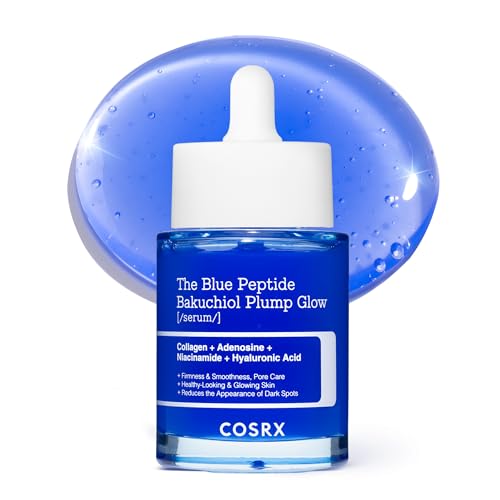
🛒 Where to Buy GHK-Cu (Copper Peptide)
- NIOD Copper Amino Isolate Serum 2:1 (CAIS 2:1)Lab-tested / studied
liquid, 1-2 drops applied topically PM; can use AM for accelerated protocols — Flagship high-concentration copper peptide serum from DECIEM; proprietary copper complex delivery at elevated percentage; best-in-class premium benchmark - The Ordinary Buffet + Copper Peptides 1%
liquid, 2-3 drops applied topically AM or PM after cleansing — Most accessible entry point; combines multi-technology peptide base with 1% copper tripeptide-1; ideal for first-time copper peptide users; widely available - Cosmetic Skin Solutions Copper Peptide Serum 2%
liquid, 2-3 drops applied to clean skin AM or PM — 2% copper peptide concentration at accessible price; strong Amazon reviews for post-procedure skin recovery; direct lab-to-consumer model keeps costs low - Skin Actives Scientific Copper Peptide Serum
liquid, 3-4 drops applied to face and neck AM or PM — Lab-direct brand with high-purity actives at competitive prices; transparent ingredient sourcing; popular with the DIY skincare and science-forward skincare community
As an Amazon Associate we earn from qualifying purchases. GHK-Cu quality depends on packaging and disclosure more than price. Choose an airless pump or sealed dropper rather than an open-top jar, and prefer a brand that states the actual peptide percentage on the label.

A Note on the Evidence
The mechanistic research on GHK-Cu derives largely from cell culture systems and animal wound models, and large independent human clinical trials on topical GHK-Cu as a cosmetic ingredient remain limited; findings from wound repair studies should not be directly extrapolated to claims about photoaged or healthy aging skin. Neither GHK-Cu nor vitamin C serum is FDA-approved to treat any skin condition, and individuals with sensitive skin, known copper sensitivities, or underlying dermatological conditions should consult a dermatologist before adding new active ingredients to their routine.
Frequently Asked Questions
Is GHK-Cu or vitamin C better for collagen?
They support different steps in collagen maturation rather than competing for the same function. Vitamin C is required for collagen chains to be correctly hydroxylated and stabilized into a triple helix [1], while GHK-Cu is proposed to support cross-linking of those chains into structurally durable fibers via copper-dependent lysyl oxidase [2]. Framing one as categorically better oversimplifies how collagen is actually built.
Can I use GHK-Cu and vitamin C serum together?
The two are mechanistically complementary and are combined in many evidence-informed skincare routines. A practical formulation consideration is that very low-pH vitamin C products (below approximately pH 3.5) may interfere with the copper chelation chemistry of GHK-Cu if applied simultaneously on the same skin. Many users apply vitamin C in the morning and GHK-Cu in the evening to sidestep any potential interaction.
Does GHK-Cu have antioxidant properties?
GHK-Cu is proposed to support antioxidant defense indirectly by upregulating antioxidant enzyme genes—such as those encoding superoxide dismutase—rather than acting as a direct free radical scavenger. Research evaluating copper peptide in wound repair contexts has noted its repair-promoting activity [3], but the gene-level antioxidant mechanism has been characterized mainly in laboratory settings and is less directly quantified from topical use in human cosmetic trials than vitamin C’s direct free-radical-quenching effect.
What is lysyl oxidase and why does copper matter for collagen?
Lysyl oxidase is a copper-dependent enzyme that oxidizes lysine and hydroxylysine residues on collagen and elastin chains, forming the covalent cross-links that give connective tissue its mechanical strength and resistance to deformation. Research in dermal fibroblasts showed that copper availability directly regulates lysyl oxidase mRNA expression [2], meaning that insufficient copper can impair collagen cross-linking even when collagen chains have been properly synthesized upstream.
How strong is the clinical evidence for topical GHK-Cu?
The foundational mechanistic evidence for GHK-Cu comes largely from cell culture studies and animal wound models [3][2] rather than large, independent randomized controlled trials in cosmetic populations. Some small human studies and industry-sponsored trials report improvements in skin texture and firmness, but these are not the same as large-scale independent clinical trials. Anyone evaluating GHK-Cu products should distinguish between mechanistic evidence and cosmetic outcome evidence in humans.
Why does vitamin C serum discolor over time?
L-ascorbic acid oxidizes progressively when exposed to air, heat, and light, converting first to dehydroascorbic acid and eventually to pigmented degradation compounds, which produce the characteristic yellow-to-brown color shift. This discoloration indicates significant loss of antioxidant potency. It is why many formulations use stabilized vitamin C derivatives or opaque, airtight packaging, though the skin bioavailability of derivatives compared to ascorbic acid itself varies and is not fully settled by the current evidence.
References
- Gallop PM et al. Posttranslational protein modifications, with special attention to collagen and elastin. Physiological reviews (1975). PMID 50603
- Yeowell HN et al. Regulation of lysyl oxidase mRNA in dermal fibroblasts from normal donors and patients with inherited connective tissue disorders. Archives of biochemistry and biophysics (1994). PMID 7508709
- Konerding MA et al. Impact of single-dose application of TGF-β, copper peptide, stanozolol and ascorbic acid in hydrogel on midline laparatomy wound healing in a diabetic mouse model. International journal of molecular medicine (2012). PMID 22614259
- Komarcević A et al. [The modern approach to wound treatment]. Medicinski pregled (2000). PMID 11214479
These statements have not been evaluated by the Food and Drug Administration. This information is not intended to diagnose, treat, cure, or prevent any disease. Content is for informational purposes only and is not medical advice; consult a qualified healthcare provider before starting any supplement. As an Amazon Associate we earn from qualifying purchases.
