Two of the most discussed topical anti-aging actives today are retinol, a vitamin A derivative with decades of dermatology research behind it, and GHK-Cu, a copper-binding tripeptide found naturally in human plasma that declines sharply after age 60. Both are proposed to work at the level of collagen synthesis and skin remodeling, yet their mechanisms, tolerability, and evidence bases are meaningfully different.
This article breaks down what each ingredient actually does according to current research, who each one suits, and whether combining them makes sense. No cures are claimed here — both are cosmetic ingredients, not drugs — but the science behind each is worth understanding before you invest in either.
Key Takeaways
- Retinol has a deeper clinical evidence base built on decades of randomized trials; GHK-Cu has compelling mechanistic science with a smaller but growing body of human studies.
- Retinol works via nuclear receptor-mediated gene transcription; GHK-Cu is proposed to act as a tissue-repair signal that broadly modulates genes involved in collagen synthesis, antioxidant defense, and regeneration.
- GHK-Cu is generally better tolerated than retinol, making it a realistic option for sensitive skin types or those who cannot use vitamin A derivatives.
- Both can plausibly be used in the same routine, though large-scale combination studies do not yet exist.
- Neither replaces daily broad-spectrum SPF, which has stronger evidence for preventing photoaging than any topical active.
What Is GHK-Cu and How Is It Proposed to Work?
GHK-Cu (glycyl-L-histidyl-L-lysine copper II, also called copper tripeptide-1) is a small peptide that occurs naturally in human plasma, saliva, and urine. Its plasma concentration sits around 200 ng/mL at age 20 and falls to roughly 80 ng/mL by age 60, a decline that has led researchers to study whether replenishing it topically might support skin repair signaling.[1]
The proposed mechanism centers on GHK-Cu’s ability to bind copper and act as a tissue-repair signal. In cell culture and animal studies, it has been shown to upregulate synthesis of collagen types I and III, elastin, and glycosaminoglycans — the structural proteins and moisture-retaining compounds that give young skin its firmness and resilience.[2] Researchers have also found it modulates a wide network of genes involved in antioxidant defense, inflammation control, and cell proliferation, though most of this mechanistic evidence comes from laboratory models rather than large randomized clinical trials.
Topical GHK-Cu appears in serums, creams, and eye treatments at concentrations typically ranging from 0.1% to 2%. Separately, the Cosmetic Ingredient Review Panel concluded copper tripeptide-1 is safe in the present practices of use and concentration in cosmetics; it set no maximum strength, and its review covered use levels well below that marketed range. It is not an injectable or compounded research peptide, and no topical GHK-Cu product is FDA-approved to treat, cure, or prevent any disease.
What Is Retinol and How Does It Work?
Retinol is a form of vitamin A that, once applied to skin, undergoes enzymatic conversion first to retinaldehyde and then to retinoic acid (the pharmacologically active form also known as tretinoin in prescription form). Retinoic acid binds to nuclear retinoid receptors and directly regulates gene transcription, making retinol one of the most mechanistically well-characterized cosmetic actives in existence.
Its documented effects include increased epidermal cell turnover, stimulation of fibroblast collagen production, partial reversal of UV-induced photoaging changes, and reduction in the appearance of fine lines and uneven pigmentation. The evidence base for retinol and its prescription-strength cousin tretinoin spans multiple decades of randomized controlled trials and histological studies — a level of clinical depth that few other cosmetic ingredients match.
The trade-off is tolerability. Retinol initiates a well-known adjustment period, sometimes called retinoid dermatitis, characterized by dryness, flaking, redness, and increased photosensitivity. These effects are dose- and frequency-dependent and typically diminish after four to eight weeks of consistent use at a given concentration.
Mechanism Comparison: Repair Signaling vs. Gene Transcription
The two actives work through fundamentally different biological pathways. Retinol operates via nuclear receptor binding — it enters cells and directly switches gene expression programs on or off at a transcriptional level. This is a well-mapped, well-validated pathway with predictable outcomes and known side effects.
GHK-Cu is proposed to act more like a damage-repair signal — a message that the body interprets as ’tissue injury is occurring, initiate repair.’ By delivering this copper-peptide signal topically, the hypothesis is that the skin shifts into a higher-maintenance regenerative state. The gene-modulation research on GHK-Cu is genuinely broad, with some analyses suggesting it influences several hundred genes across antioxidant, anti-inflammatory, and remodeling pathways, but translating that mechanistic breadth into confirmed clinical outcomes in large human trials remains an ongoing process.
In short: retinol has a narrower, better-characterized mechanism with a robust clinical track record. GHK-Cu has a broader proposed mechanism with compelling early science but a smaller body of large-scale human evidence.
Tolerability and Skin Type Suitability
Retinol is effective but demanding. Sensitive skin types, people with rosacea, eczema-prone skin, or those who are pregnant (vitamin A derivatives are contraindicated in pregnancy) often struggle to tolerate it, particularly at concentrations above 0.3%. It also requires consistent sun protection use because it increases photosensitivity.
GHK-Cu is generally considered gentle. Because it is not a chemical exfoliant and does not dramatically accelerate cell turnover, it does not carry the same initial irritation burden. This makes it a plausible option for skin types that cannot tolerate retinol, or for use during seasons or life stages when skin barrier integrity is already compromised. People with known copper sensitivity should proceed with caution, though adverse reactions to topical GHK-Cu appear rare in published cosmetic safety literature.
For most users, the practical difference is that retinol requires an acclimation strategy — starting at a low frequency and concentration, buffering with moisturizer, and protecting against sun — while GHK-Cu can typically be introduced without a ramp-up protocol.
Can GHK-Cu and Retinol Be Used Together?
There is no established contraindication to using both actives in a routine, and some formulators deliberately combine them on the theory that GHK-Cu’s proposed skin-repair signaling may help offset some of the barrier disruption associated with retinol use. The peptide’s antioxidant and anti-inflammatory proposed activity could, in theory, support recovery during the retinoid adjustment period.

A pragmatic approach is to apply them at different times — GHK-Cu in the morning alongside antioxidants, retinol in the evening — to avoid any potential interaction in formulation and to allow each to work within its optimal context. This is common dermatological guidance for multi-active routines generally, not a specific finding from head-to-head combination studies, which to date are sparse.
Anyone with reactive or sensitized skin should introduce one active at a time to identify the tolerability of each before stacking them.
Realistic Expectations and Honest Limitations
Retinol’s anti-aging benefits are well-supported in the published literature over timescales of 12 to 24 weeks of consistent use. The effects are real but incremental — improved texture, reduced fine line depth, more even tone — and they depend on continued use. Stopping retinol reverses its gains over time.
GHK-Cu’s benefits in published small clinical studies suggest improvements in skin firmness, fine line appearance, and overall skin quality, but the evidence base is not yet large enough to make head-to-head quantitative claims with confidence. Most published GHK-Cu trials are smaller and shorter than the mature retinol literature. Describing GHK-Cu as definitively ‘better’ or ‘worse’ than retinol is not currently supported by comparative clinical evidence.
What can be said honestly is that they serve different users well: retinol suits those who want the most evidence-backed ingredient and can tolerate the learning curve; GHK-Cu suits those seeking a gentler option or an adjunct to their existing routine. Neither is a substitute for broad-spectrum SPF, which remains the most robustly evidence-supported anti-aging intervention available.
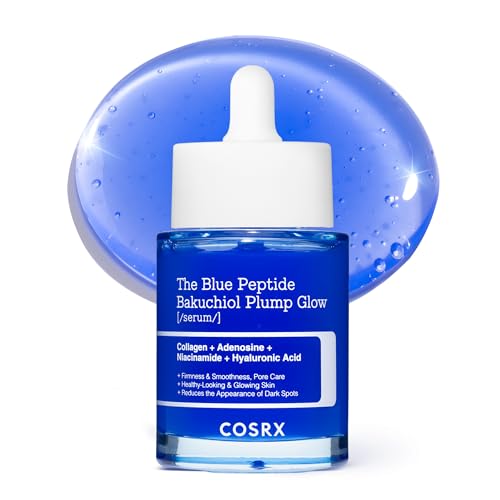
🛒 Where to Buy GHK-Cu (Copper Peptide)
- NIOD Copper Amino Isolate Serum 2:1 (CAIS 2:1)Lab-tested / studied
liquid, 1-2 drops applied topically PM; can use AM for accelerated protocols — Flagship high-concentration copper peptide serum from DECIEM; proprietary copper complex delivery at elevated percentage; best-in-class premium benchmark - The Ordinary Buffet + Copper Peptides 1%
liquid, 2-3 drops applied topically AM or PM after cleansing — Most accessible entry point; combines multi-technology peptide base with 1% copper tripeptide-1; ideal for first-time copper peptide users; widely available - Cosmetic Skin Solutions Copper Peptide Serum 2%
liquid, 2-3 drops applied to clean skin AM or PM — 2% copper peptide concentration at accessible price; strong Amazon reviews for post-procedure skin recovery; direct lab-to-consumer model keeps costs low - Skin Actives Scientific Copper Peptide Serum
liquid, 3-4 drops applied to face and neck AM or PM — Lab-direct brand with high-purity actives at competitive prices; transparent ingredient sourcing; popular with the DIY skincare and science-forward skincare community
As an Amazon Associate we earn from qualifying purchases. GHK-Cu quality depends on packaging and disclosure more than price. Choose an airless pump or sealed dropper rather than an open-top jar, and prefer a brand that states the actual peptide percentage on the label.

A Note on the Evidence
No topical GHK-Cu or retinol product is FDA-approved to treat, cure, or prevent any disease; both are cosmetic actives. Much of the mechanistic evidence for GHK-Cu comes from cell culture and animal models, and large-scale head-to-head clinical trials comparing it directly with retinol do not yet exist. If you have a diagnosed skin condition, are pregnant, or are on medications that affect skin (including prescription retinoids), consult a dermatologist before starting either ingredient.
Frequently Asked Questions
Is GHK-Cu a replacement for retinol?
Not a direct replacement — they work through different mechanisms and have different evidence bases. Retinol has more extensive clinical trial data; GHK-Cu is a gentler option with a different mode of action. Some users choose one over the other based on tolerability; others use both.
How long does it take to see results from GHK-Cu?
Published small studies have reported skin improvements within 4 to 12 weeks of consistent use, but individual response varies. As with retinol, results are incremental rather than dramatic and depend on continued application.
Can I use GHK-Cu if I'm pregnant?
GHK-Cu is not in the same category as vitamin A derivatives, which are contraindicated in pregnancy. However, cosmetic ingredients are generally understudied in pregnancy, and the conservative guidance is to consult your healthcare provider before introducing any new active during pregnancy or nursing.
Does retinol thin the skin?
A common misconception. Retinol actually stimulates collagen production and increases epidermal thickness over time. The initial flaking some users experience is increased cell turnover, not thinning. Long-term retinol use in clinical studies is associated with histologically thicker, more structured dermis, not a thinner one.
What concentration of GHK-Cu should I look for in a product?
Most clinical and research work on topical GHK-Cu has used concentrations between 0.1% and 2%. Many commercial products fall within this range. Higher is not necessarily better — stability and formulation context matter, and very high concentrations have not been shown to produce proportionally greater effects.
Can I use GHK-Cu around my eyes?
GHK-Cu is included in many eye-area products and is generally considered safe for periorbital use. It lacks the irritation risk of retinol, which must be used with extra care near the eyes. As with any eye-area product, avoid direct contact with the eye itself.
References
- The potential of GHK as an anti-aging peptide. Aging Pathobiology and Therapeutics (2020). PMID 35083444
- The human tri-peptide GHK and tissue remodeling. Journal of Biomaterials Science, Polymer Edition (2008). PMID 18644225 (authors affiliated with Skin Biology, a company that sells copper-peptide products)
These statements have not been evaluated by the Food and Drug Administration. This information is not intended to diagnose, treat, cure, or prevent any disease. Content is for informational purposes only and is not medical advice; consult a qualified healthcare provider before starting any supplement. As an Amazon Associate we earn from qualifying purchases.
