GHK-Cu (glycyl-L-histidyl-L-lysine copper II) is a naturally occurring copper-binding tripeptide found in human plasma, saliva, and urine. Levels are highest in youth and decline sharply with age, a pattern that has prompted significant cosmetic research interest in topical formulations designed to replenish it at the skin surface.[1] When applied in a serum or cream, GHK-Cu is proposed to interact with skin cells and signal processes associated with collagen and elastin production, antioxidant defense, and tissue remodeling.[3]
One of the most common questions shoppers encounter is what concentration percentage to choose. Products on the market range from roughly 0.5% to 2% GHK-Cu, with some formulations going slightly higher. The differences between these tiers are not purely cosmetic marketing; concentration affects how much active peptide is delivered to the skin, how the formulation behaves, and what side effects or tolerability issues may arise. This article breaks down each concentration tier honestly, based on what is currently understood about topical peptide delivery, and is intended as informational context rather than medical advice.
Key Takeaways
- 0.5% GHK-Cu is appropriate for sensitive skin, first-time users, and preventive routines where tolerability is the priority.
- 1% is the most commonly studied cosmetic concentration and a reasonable choice for most adults targeting visible aging concerns.
- 2% may offer higher peptide delivery in theory, but diminishing returns and tolerability considerations make it better suited for periodic intensive use than daily application.
- Formulation quality — vehicle, pH stability, and absence of competing chelators — affects how much active GHK-Cu actually reaches the dermis, regardless of stated concentration.
- No topical GHK-Cu product is FDA-approved to treat any skin condition; these products are cosmetics, and individual results vary significantly.
What GHK-Cu Actually Does: The Proposed Mechanism
GHK-Cu functions as a signaling molecule. The peptide component (glycyl-L-histidyl-L-lysine) has a high affinity for copper ions, and the resulting complex is thought to modulate gene expression involved in wound healing, collagen synthesis, and tissue regeneration. Laboratory studies have found that GHK-Cu can influence the activity of hundreds of genes, including those responsible for collagen I and III production, elastin fiber formation, and glycosaminoglycan synthesis — the structural molecules that give skin its firmness and moisture retention.
At the cellular level, GHK-Cu has been studied for its potential to stimulate fibroblasts — the skin cells primarily responsible for producing structural proteins. It has also been examined for antioxidant properties, including upregulation of enzymes that neutralize reactive oxygen species. Importantly, all of this research is conducted on cells in culture, animal models, or small-scale human studies with topical cosmetic-grade formulations. There are no FDA-approved topical GHK-Cu products for treating skin disease, and the Cosmetic Ingredient Review Panel has assessed it as safe in the present practices of use and concentration in cosmetics. That qualifier matters on a page about percentages: the use levels the Panel recorded were typically under 10 ppm (about 0.001%), far below the 0.5% to 2% strengths this guide compares.
Why Concentration Percentage Matters in Topical Serums
In topical cosmetics, concentration is not the only variable that determines how much active ingredient reaches the intended skin layer. Formulation factors — the vehicle (water-based, oil-based, emulsion), pH, preservative system, and penetration enhancers — profoundly affect how efficiently a peptide crosses the stratum corneum.[2] That said, concentration remains a meaningful starting point because it dictates the gradient driving diffusion into the skin. At a minimum, the product must contain enough active ingredient to provide a meaningful dose at the site of action.
GHK-Cu is a relatively small tripeptide (molecular weight approximately 340 Da as the copper complex), which makes it more amenable to skin penetration than larger peptides or proteins. However, the intact copper complex must be maintained for biological activity, and formulation instability — particularly at unfavorable pH or in the presence of competing metal chelators — can reduce the amount of active GHK-Cu present by the time it reaches skin. This is why concentration on the label reflects what is added during manufacturing, not necessarily what is bioavailable at the dermis.
These caveats matter when comparing 0.5%, 1%, and 2% products. A well-formulated 1% serum with penetration enhancers and a stabilized pH may deliver more active peptide than a poorly formulated 2% product in an incompatible vehicle. With that nuance acknowledged, the concentration tiers do correspond to meaningfully different dose ranges and use cases.
0.5% GHK-Cu: The Entry-Level Concentration
The 0.5% concentration is the most common entry-level tier and is found in many mainstream serums positioned for general anti-aging, preventive care, or first-time users of copper peptide products. At this concentration, the formulation delivers a moderate amount of GHK-Cu relative to the overall product and is generally well tolerated by most skin types, including those with sensitivity concerns.
For individuals with sensitive or reactive skin, 0.5% is typically recommended as a starting point. The lower peptide load reduces the likelihood of the temporary redness or mild tingling that some users report when first introducing copper peptides. It is also the concentration most commonly used in layered routines where multiple actives — such as retinoids, vitamin C, or exfoliating acids — are already present, since it minimizes potential interaction effects.
The tradeoff is that 0.5% may produce slower or more subtle visible changes compared to higher concentrations, particularly for users targeting more visible signs of aging such as deep lines, significant laxity, or scar tissue remodeling. For preventive use starting in the late 20s or early 30s, however, the lower tier is arguably appropriate, and long-term consistent use may matter more than concentration in this context.
1% GHK-Cu: The Most Widely Studied Cosmetic Range
The 1% concentration represents the midpoint and is the tier most commonly referenced in cosmetic research and formulary discussions. Many of the in vitro and small-scale human studies on topical GHK-Cu have used concentrations in or around this range, making it the best-supported tier from a literature standpoint — though it is important to emphasize that the total body of published human clinical data on topical GHK-Cu remains limited in scale and scope.
At 1%, users targeting visible signs of photoaging — fine lines, uneven texture, loss of firmness — are working within the range that has received the most attention in formulation science. This concentration is also appropriate for post-procedure skin recovery contexts, where the skin barrier has been disrupted by procedures such as microneedling or laser resurfacing, and where the proposed tissue-signaling properties of GHK-Cu are hypothesized to support the healing process. It is worth noting that using any active cosmetic during the acute healing phase should be done under guidance from the treating provider.
Tolerability at 1% is still generally good for most skin types, though individuals with rosacea-prone or highly reactive skin may prefer to begin at 0.5% and step up gradually. The 1% tier represents a reasonable balance between meaningful active dose and broad tolerability.
2% GHK-Cu: The Higher-Concentration Tier
Products formulated at 2% GHK-Cu position themselves as high-potency options, often marketed toward users with more advanced aging concerns, scarring, or those who have already used lower concentrations without achieving the results they sought. From a theoretical standpoint, a higher concentration provides a larger reservoir of active peptide and a steeper diffusion gradient, which could support greater dermal delivery assuming the formulation is stable and the vehicle is appropriate.

In practice, there is a point of diminishing returns with topical peptides. Skin uptake is limited by the physical barrier of the stratum corneum, and saturation kinetics mean that doubling the concentration does not necessarily double the biological effect at the dermis. Some formulators argue that penetration-enhancing strategies — encapsulation, liposomal delivery, or micro-needling-assisted application — matter more at the high end of the concentration range than the concentration number itself.
Tolerability is a more relevant concern at 2%. Some users report mild transient effects including a temporary blue-green tinge at the application site (due to the copper complex), faint skin warmth, or initial breakout in acne-prone skin. These effects are typically short-lived and not indicative of harm, but they warrant awareness. People who are pregnant, breastfeeding, or have conditions affecting copper metabolism should consult a healthcare provider before using high-concentration copper peptide products.
How to Choose: A Practical Framework
Selecting a GHK-Cu serum concentration should be guided by skin tolerance history, current routine complexity, and the specific concern being addressed. A useful general approach: begin at 0.5% for two to four weeks, assess tolerance and any skin response, then step up to 1% if no irritation is observed and visible progress is the goal. Most users will find 1% to be a long-term sustainable concentration. Reserve 2% for targeted, periodic use — for example, as an intensive treatment cycle of four to six weeks — rather than everyday application.
Formulation quality matters as much as concentration. When evaluating products, look for a stable pH (GHK-Cu is generally most stable between pH 5.5 and 7.0), an absence of aggressive competing chelators like EDTA in high amounts, and a clear, non-precipitated appearance. Products that have turned murky or show visible particulates may have undergone degradation of the copper complex.
Layering GHK-Cu with other actives requires care. Vitamin C (L-ascorbic acid) can chelate copper and potentially inactivate GHK-Cu when applied simultaneously; separating them by time of day (vitamin C in the morning, GHK-Cu in the evening) is a commonly recommended approach. Retinoids and GHK-Cu are generally considered compatible and may even be complementary, though users new to both should introduce them separately to identify any tolerability issues.
🛒 Where to Buy GHK-Cu (Copper Peptide)
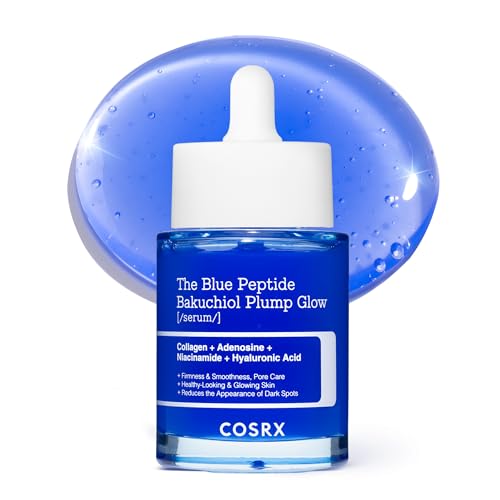
- NIOD Copper Amino Isolate Serum 2:1 (CAIS 2:1)Lab-tested / studied
liquid, 1-2 drops applied topically PM; can use AM for accelerated protocols — Flagship high-concentration copper peptide serum from DECIEM; proprietary copper complex delivery at elevated percentage; best-in-class premium benchmark - The Ordinary Buffet + Copper Peptides 1%
liquid, 2-3 drops applied topically AM or PM after cleansing — Most accessible entry point; combines multi-technology peptide base with 1% copper tripeptide-1; ideal for first-time copper peptide users; widely available - Cosmetic Skin Solutions Copper Peptide Serum 2%
liquid, 2-3 drops applied to clean skin AM or PM — 2% copper peptide concentration at accessible price; strong Amazon reviews for post-procedure skin recovery; direct lab-to-consumer model keeps costs low - Skin Actives Scientific Copper Peptide Serum
liquid, 3-4 drops applied to face and neck AM or PM — Lab-direct brand with high-purity actives at competitive prices; transparent ingredient sourcing; popular with the DIY skincare and science-forward skincare community
As an Amazon Associate we earn from qualifying purchases. GHK-Cu quality depends on packaging and disclosure more than price. Choose an airless pump or sealed dropper rather than an open-top jar, and prefer a brand that states the actual peptide percentage on the label.

A Note on the Evidence
The research base for topical GHK-Cu consists primarily of in vitro cell studies and small-scale human trials; large randomized controlled trials are limited, and long-term efficacy data at specific concentrations is not well established. This article is for informational purposes only and is not a substitute for advice from a dermatologist or licensed healthcare provider, particularly for individuals with skin conditions, medical diagnoses, or concerns about ingredient interactions.
Frequently Asked Questions
Is a higher GHK-Cu percentage always more effective?
Not necessarily. Skin absorption is limited by the stratum corneum barrier, and once uptake approaches saturation, additional concentration provides diminishing benefit. Formulation factors such as vehicle type, pH, and delivery technology can matter as much as the stated percentage.
Can GHK-Cu serum be used every day?
At 0.5% and 1%, daily use is generally well tolerated by most skin types after a brief introduction period. At 2%, some formulators recommend cycling — for example, using it daily for four to six weeks, then reducing frequency — to minimize the risk of sensitization or tolerability issues.
Why does GHK-Cu sometimes leave a faint blue-green tint on skin?
The blue-green discoloration is a visual property of the copper complex itself. It is typically temporary, washes off easily, and is not associated with harm. Higher concentrations are more likely to produce this temporary tinting effect.
Can I use GHK-Cu serum with retinol?
Most formulation guidance suggests that retinoids and copper peptides are compatible and may be used in the same routine, typically evening application. Users new to both ingredients should introduce them separately over several weeks to identify which, if either, causes any skin response.
Should I avoid vitamin C serums when using GHK-Cu?
L-ascorbic acid can bind copper ions and may reduce GHK-Cu activity if the two products are applied simultaneously. A common practical approach is to use vitamin C in the morning and GHK-Cu in the evening, keeping them separated by several hours.
Who should be cautious about using GHK-Cu serums?
Individuals with known copper metabolism disorders (such as Wilson’s disease), those who are pregnant or breastfeeding, and people with highly reactive or compromised skin barriers should consult a healthcare provider before using copper peptide products, particularly at higher concentrations.
References
- The potential of GHK as an anti-aging peptide. Aging Pathobiology and Therapeutics (2020). PMID 35083444
- Topically applied GHK as an anti-wrinkle peptide: Advantages, problems and prospective. BioImpacts (2025). PMID 39963574
- The human tri-peptide GHK and tissue remodeling. Journal of Biomaterials Science, Polymer Edition (2008). PMID 18644225 (authors affiliated with Skin Biology, a company that sells copper-peptide products)
These statements have not been evaluated by the Food and Drug Administration. This information is not intended to diagnose, treat, cure, or prevent any disease. Content is for informational purposes only and is not medical advice; consult a qualified healthcare provider before starting any supplement. As an Amazon Associate we earn from qualifying purchases.
