In the evolving landscape of advanced skincare, the GHK-Cu copper peptide has solidified its position as a remarkable biomimetic active. As more individuals move beyond foundational skincare to target specific concerns like collagen degradation, skin laxity, and hair thinning, the question naturally arises: how much GHK-Cu is truly effective, when should it be applied, and what are the crucial safety considerations? Understanding the optimal dosage and application protocol is paramount to harnessing its full potential without over-application or encountering unexpected effects.
This comprehensive guide, updated for 2026, aims to provide evidence-based insights into GHK-Cu copper peptide dosage and safety. We will explore the science behind its efficacy, drawing upon the pioneering work of Dr. Loren Pickart and numerous peer-reviewed studies, to help you integrate this powerful ingredient into your routine with confidence and precision.
FTC Disclosure: This article may contain affiliate links. If you make a purchase through these links, GHKCuHub may earn a small commission at no extra cost to you. This helps support our research and content creation.
Understanding GHK-Cu: The Basics of Copper Peptide Dosage
GHK-Cu, or Glycyl-L-Histidyl-L-Lysine:Copper(II), is a naturally occurring human tripeptide that exhibits a strong affinity for copper ions. Discovered by Dr. Loren Pickart in 1973, its biological roles include promoting wound healing, stimulating collagen and elastin production, and possessing antioxidant and anti-inflammatory properties.[1]
Unlike some actives where more is always perceived as better, GHK-Cu dosage is about finding the therapeutic sweet spot. The peptide itself acts as a signaling molecule, and its effects are often achieved at relatively low concentrations. Over-application does not necessarily equate to enhanced results and can sometimes lead to transient irritation or a sensation of tightness.
Concentrations in Skincare Formulations
Topical GHK-Cu products typically feature concentrations ranging from 0.5% to 2.5%. For initial integration into a routine, starting at the lower end of this spectrum, such as 0.5% to 1.0%, is often recommended. This allows the skin to acclimatize and helps in identifying individual sensitivity.
Higher concentrations, often seen in targeted serums or post-procedure formulations, can go up to 2.5%. These are generally reserved for individuals whose skin has already tolerated lower concentrations or for specific, short-term applications under professional guidance.
Topical Application: When and How Much?
The timing and method of GHK-Cu application are crucial for optimizing its benefits. Given its role in skin repair and regeneration, many find it most beneficial when applied to clean skin.
Daily Frequency and Timing
For general anti-aging and collagen support, applying GHK-Cu once daily, typically in the evening, is a common and effective approach. The skin’s regenerative processes are most active during sleep, making evening application particularly synergistic.
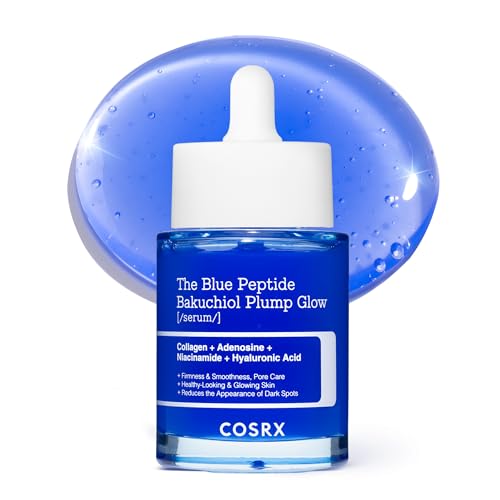
Some users, particularly those addressing specific concerns like post-inflammatory hyperpigmentation or severe sun damage, may opt for twice-daily application. However, it is always prudent to begin with once daily to assess skin tolerance. Apply to clean, dry skin after cleansing and before heavier moisturizers or oils.
Quantity Per Application
For a typical face and neck application, a pea-sized amount (approximately 0.25 to 0.5 ml) of serum or cream is usually sufficient. GHK-Cu is a potent active, and a thin, even layer is all that is required for its signaling effects to occur.
When applying to the scalp for hair growth, the quantity will depend on the area being treated. For targeted areas, a few drops massaged directly into the scalp are generally adequate. For broader coverage, slightly more may be needed, ensuring even distribution.
GHK-Cu and Other Actives: A Compatibility Guide
Integrating GHK-Cu into a routine that already includes other potent actives, such as retinoids or vitamin C, requires careful consideration. While GHK-Cu is generally well-tolerated, its interaction with certain ingredients can sometimes reduce efficacy or increase the potential for irritation.
Retinoids (Retinol, Tretinoin)
Many individuals successfully use GHK-Cu alongside retinoids. A common strategy is to apply GHK-Cu in the morning and retinoids in the evening, or to alternate evenings. This separation helps to minimize potential irritation and ensures each active can perform optimally without direct interference.
Some individuals with robust skin may layer them, applying GHK-Cu first, allowing it to absorb, and then following with a retinoid. However, this approach should be introduced cautiously, observing for any signs of increased sensitivity or redness. The pH environment might be a factor, as GHK-Cu is most stable at a slightly acidic to neutral pH, while some retinoids also prefer specific pH ranges.
Vitamin C (L-Ascorbic Acid)
Direct co-application of GHK-Cu with L-ascorbic acid, particularly in high concentrations or low pH formulations, is often advised against. Copper ions can catalyze the oxidation of L-ascorbic acid, potentially reducing its efficacy and leading to a yellowish discoloration of the product. This is a common point of confusion for users.
To safely incorporate both, apply GHK-Cu in the evening and a Vitamin C serum in the morning. Alternatively, use them on alternate days or nights. Formulations using stable Vitamin C derivatives, such as magnesium ascorbyl phosphate, may be more compatible, but separation remains the safest practice.
AHAs/BHAs (Alpha Hydroxy Acids/Beta Hydroxy Acids)
Exfoliants like AHAs and BHAs can be used in a routine with GHK-Cu. It is generally recommended to apply these acids on separate evenings from GHK-Cu, or to use them in the morning if GHK-Cu is applied at night. The acidic nature of these exfoliants might transiently alter the skin’s pH, potentially impacting peptide stability or increasing sensitivity when used concurrently.

Safety Notes and Potential Side Effects
GHK-Cu is widely regarded as a safe ingredient for topical application, with a long history of use and research. However, like any active ingredient, awareness of potential side effects and proper usage is important.
Transient Irritation or Tightness
Some individuals, particularly when first introducing GHK-Cu or using higher concentrations, may experience a mild, transient sensation of tightness or tingling. This is often described as a “pulling” sensation and is generally not a cause for concern unless accompanied by persistent redness, burning, or itching. Reducing frequency or concentration can alleviate this.
Skin Discoloration
Rarely, some users report a faint bluish or grayish tint on the skin, especially with over-application or prolonged use of very high concentrations. This is often due to the copper ion itself and can typically be resolved by reducing the amount applied or the frequency of use. It is not indicative of toxicity but rather a cosmetic effect.
Allergic Reactions
True allergic reactions to GHK-Cu are exceedingly rare. However, individuals can be sensitive to other ingredients in a formulated product. Always perform a patch test on a small, inconspicuous area of skin before applying a new product to your entire face or scalp. Discontinue use if persistent irritation, rash, or swelling occurs.
Pregnancy and Breastfeeding
While GHK-Cu is a naturally occurring peptide, there is limited research on its topical use during pregnancy and breastfeeding. As a precautionary measure, it is generally advised to consult with a healthcare professional before incorporating new active ingredients, including GHK-Cu, during these periods.
GHK-Cu for Hair Growth: Dosage and Application
The role of GHK-Cu in promoting hair growth and reducing hair thinning has garnered significant attention, building on research indicating its ability to stimulate hair follicle growth and increase follicle size. Dr. Pickart’s work, along with subsequent studies, suggests GHK-Cu can prolong the anagen phase and improve hair vitality.
Scalp Serums and Sprays
For scalp application, GHK-Cu is typically found in dedicated serums or sprays, often at concentrations similar to facial products (0.5% to 2.5%). The key is consistent, targeted application to the scalp, not just the hair strands.
Apply 1-2 times daily, usually a few drops to the affected areas of the scalp. Gently massage into the skin to ensure absorption. Consistency over several months is crucial for observing noticeable improvements in hair density and thickness, as hair growth cycles are prolonged.
Post-Procedure Recovery with GHK-Cu
GHK-Cu’s renowned wound-healing and anti-inflammatory properties make it an excellent adjunct for post-procedure recovery, such as after microneedling, laser treatments, or chemical peels. Its ability to promote collagen synthesis and reduce oxidative stress can accelerate healing and minimize downtime.

Application Post-Treatment
Following professional procedures, GHK-Cu is often introduced once the initial healing phase has passed and the skin is no longer overtly inflamed or weeping. For example, after microneedling, it can be applied after 24-48 hours, or as advised by your practitioner, to support the skin’s regenerative response.
Use a gentle GHK-Cu serum, often at a moderate concentration (1.0% to 2.0%), once or twice daily. Always follow the specific post-care instructions provided by your aesthetician or dermatologist, as individual procedures and skin types will have tailored recommendations.
Finding Quality GHK-Cu Products
When searching for GHK-Cu products, quality and formulation are key. Look for reputable brands that provide clear ingredient lists and concentration information. The stability of the peptide in the formulation is also crucial for efficacy.
| Product Type | What to Look For | Considerations |
|---|---|---|
| Copper Peptide Serums | Concentrations of 0.5% to 2.5% GHK-Cu. Minimal additional active ingredients if you plan to layer. | Ideal for targeted anti-aging and skin repair. Look for airless pumps or opaque packaging to maintain stability. |
| Copper Peptide Creams/Moisturizers | Formulations designed for daily use, often with complementary emollients and hydrators. | Good for general skin health and maintenance. May have slightly lower GHK-Cu concentrations than dedicated serums. |
| Copper Peptide Hair Serums/Sprays | Specifically formulated for scalp application, often with ingredients like caffeine or biotin. | Ensure non-greasy formulations that won’t weigh down hair. Focus on scalp absorption. |
When searching online, consider terms like “GHK-Cu serum,” “copper peptide anti-aging cream,” or “copper peptide hair growth treatment.”
Conclusion
GHK-Cu copper peptide is a powerful and versatile active ingredient with significant evidence supporting its roles in skin repair, collagen stimulation, and hair growth. By understanding the optimal dosage, application timing, and compatibility with other actives, you can effectively integrate GHK-Cu into your advanced skincare routine.
Always prioritize gradual introduction, observe your skin’s response, and remember that consistency is paramount for achieving the best results. With careful and informed use, GHK-Cu can be a transformative component in your pursuit of healthier, more resilient skin and hair.
Frequently Asked Questions (FAQ)
Can GHK-Cu be used every day?
Yes, GHK-Cu can generally be used daily, often once or twice a day. Many users find once-daily evening application sufficient for anti-aging benefits, while twice-daily application may be chosen for more intensive concerns like post-procedure recovery or hair thinning, provided your skin tolerates it well.
How long does it take to see results from GHK-Cu?
Results can vary, but many users report initial improvements in skin texture and radiance within 4-6 weeks. More significant changes in collagen density, fine lines, and skin firmness typically become noticeable after 2-3 months of consistent use. For hair growth, visible results often require 3-6 months of regular application due to the hair growth cycle.
Is GHK-Cu safe for sensitive skin?
GHK-Cu is generally considered safe for sensitive skin types, as it is a naturally occurring peptide with anti-inflammatory properties. However, as with any active ingredient, a patch test is recommended before full application to ensure no individual sensitivities to the formulation or other ingredients exist. Start with a lower concentration and gradually increase as tolerated.
Can I use GHK-Cu with hyaluronic acid?
Yes, GHK-Cu is highly compatible with hyaluronic acid. Hyaluronic acid is a hydrating ingredient that can complement GHK-Cu’s reparative benefits by providing essential moisture and supporting the skin’s barrier function. You can layer a hyaluronic acid serum before or after your GHK-Cu serum.
What concentration of GHK-Cu is best for beginners?
For beginners, starting with a GHK-Cu concentration between 0.5% to 1.0% is often recommended. This allows your skin to gradually adapt to the peptide. If your skin tolerates this well, you can consider moving to higher concentrations (up to 2.5%) for more intensive treatment.
Does GHK-Cu interact with prescription retinoids like Tretinoin?
While GHK-Cu and prescription retinoids like Tretinoin are both powerful actives, it’s generally recommended to apply them at different times of day (e.g., GHK-Cu in the morning, Tretinoin in the evening) or on alternate evenings. This minimizes potential irritation and allows each ingredient to function optimally without direct pH interference, which can sometimes be a concern with certain retinoid formulations.
These statements have not been evaluated by the FDA. This product is not intended to diagnose, treat, cure, or prevent any disease.
References
- The human tri-peptide GHK and tissue remodeling. Journal of Biomaterials Science, Polymer Edition (2008). PMID 18644225 (authors affiliated with Skin Biology, a company that sells copper-peptide products)
These statements have not been evaluated by the Food and Drug Administration. This information is not intended to diagnose, treat, cure, or prevent any disease. Content is for informational purposes only and is not medical advice; consult a qualified healthcare provider before starting any supplement. As an Amazon Associate we earn from qualifying purchases.
