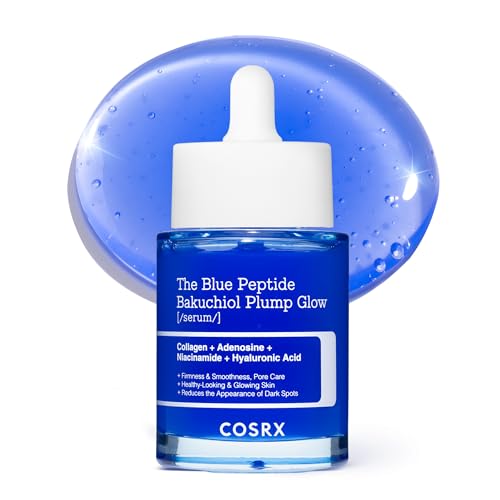
The Ordinary’s “Buffet” + Copper Peptides 1% combines the brand’s multi-peptide complex with a 1% concentration of GHK-Cu (copper tripeptide-1). Marketed as an all-in-one anti-aging serum, it promises to target multiple signs of aging including fine lines, elasticity loss, and uneven texture. This review examines the ingredient science, formulation choices, and what published research actually indicates about topical copper peptide performance.
GHK-Cu is a naturally occurring copper-binding tripeptide (glycyl-L-histidyl-L-lysine) present in human plasma that declines with age. In laboratory settings, it has demonstrated the ability to upregulate collagen I and III, elastin, and glycosaminoglycan synthesis while modulating genes involved in antioxidant defense and tissue repair.[2] The Cosmetic Ingredient Review Panel assessed copper tripeptide-1 in 2018 and concluded it is safe in the present practices of use and concentration in cosmetics. It set no maximum concentration, and the levels behind that finding (typically below 10 ppm) sit well under the 1% in this product, so the assessment is not a clearance for this specific strength. No topical GHK-Cu product is FDA-approved to treat, cure, or prevent any disease; this analysis is informational, not medical advice.
Key Takeaways
- Buffet + Copper Peptides 1% delivers 1% GHK-Cu plus a multi-peptide complex at a budget price; the blue color indicates copper peptide presence.
- GHK-Cu has plausible mechanisms (collagen/elastin upregulation, antioxidant gene modulation) but lacks large, independent clinical trials for this specific formulation.[1]
- The serum is incompatible with low-pH acids, pure vitamin C, and strong retinoids in the same routine due to copper peptide stability concerns.
- Visible effects, if any, typically require 8-12 weeks of consistent use; it is a supportive maintenance product, not a corrective treatment.
- In a 30 mL bottle, it is one of the most cost-accessible copper peptide serums on the market, but users must manage expectations and routine compatibility.
Product Overview and Formulation Context
The Ordinary Buffet + Copper Peptides 1% (often abbreviated as Buffet + Copper) is a water-based serum that combines the original Buffet peptide complex — which includes Matrixyl 3000 (palmitoyl tripeptide-1 and palmitoyl tetrapeptide-7), Synthe’6 (palmitoyl tripeptide-38), ARGIRELOX (acetyl hexapeptide-8 and pentapeptide-18), and a probiotic complex — with 1% GHK-Cu. The copper peptide gives the formula its characteristic blue tint. The base includes hyaluronic acid crosspolymers for hydration, amino acids, and a preservative system without parabens, phenoxyethanol, or formaldehyde releasers.
The original Buffet (without copper peptides) remains in the line at a lower price point. The key differentiator is the addition of GHK-Cu at a 1% concentration, which represents the upper end of typical cosmetic use levels. The product is packaged in an opaque dropper bottle to limit light exposure, which is relevant because copper peptides can oxidize over time. The Ordinary positions this as a comprehensive anti-aging serum suitable for morning or evening use, though they advise against combining it with direct acids, L-ascorbic acid (vitamin C), or strong retinoids in the same routine due to potential pH conflicts and instability.
What Research Says About Topical GHK-Cu
GHK-Cu has been studied in vitro and in small clinical trials for its effects on skin biology. Research indicates it can stimulate fibroblasts to produce collagen types I and III, elastin, and glycosaminoglycans such as hyaluronic acid. It also appears to upregulate genes associated with antioxidant defense (including superoxide dismutase) and downregulate genes linked to inflammation and tissue degradation. These mechanisms suggest a theoretical basis for improving skin firmness, elasticity, and wound healing.[3]
However, the majority of published data come from cell culture, animal models, or small open-label human studies often funded by ingredient suppliers. Large, independent, double-blind, placebo-controlled trials specifically evaluating a 1% GHK-Cu serum in a multi-peptide base on healthy aging skin are lacking. The Cosmetic Ingredient Review Panel’s safety assessment reported low sensitization and irritation potential at the use levels it surveyed, which were far below the 1% here, and it does not evaluate efficacy claims. Consumers should interpret marketing claims in light of this evidence gap: plausible mechanism, limited direct clinical proof for this exact formulation.
Comparison: Buffet + Copper Peptides vs. Original Buffet
The original Buffet relies on a blend of signal peptides (Matrixyl 3000, Synthe’6) and neurotransmitter-inhibiting peptides (ARGIRELOX) to target dynamic wrinkles and support matrix proteins. Matrixyl 3000 has more published clinical data behind it than GHK-Cu, including several split-face studies showing improvement in wrinkle depth and volume over 8-12 weeks. Synthe’6 targets collagen IV and laminin at the dermal-epidermal junction. ARGIRELOX aims to reduce expression lines via a mild muscle-relaxing effect.
Buffet + Copper Peptides adds GHK-Cu to this mix. The theoretical advantage is broader pathway activation: GHK-Cu’s gene modulation profile overlaps with but extends beyond the matrix-stimulating effects of the other peptides. The trade-offs include the blue color (which can stain light fabrics), the incompatibility with low-pH actives like L-ascorbic acid and direct acids, and a higher price. For users already using a vitamin C serum in the morning and a retinoid at night, the original Buffet may integrate more easily into an existing routine. Those with a simplified regimen and no strong actives may find the copper version a convenient single-step option.
Formulation Stability and Delivery Considerations
Copper peptides are coordination complexes that can be destabilized by low pH, oxidizing agents, and certain chelators. The Ordinary formulates Buffet + Copper Peptides at a near-neutral pH (approximately 5.5-6.5) to maintain GHK-Cu integrity. The opaque bottle and dropper limit oxygen exposure. However, once opened, the product has a finite shelf life; the blue color fading to clear or greenish is a visual indicator of copper peptide oxidation and loss of activity.
The water-based, silicone-free base allows for layering under moisturizers and sunscreens without pilling. It does not contain penetration enhancers like propylene glycol or ethanol at high concentrations, which may limit deeper delivery compared to some clinical formulations. The inclusion of multiple hyaluronic acid crosspolymers provides surface hydration and a temporary plumping effect that can be mistaken for long-term structural change. Users should distinguish between immediate cosmetic hydration and the slower, cumulative effects of peptide signaling.
Realistic Expectations and Usage Guidelines
Based on the available evidence for the ingredient class, visible changes from topical peptide serums typically require 8-12 weeks of consistent twice-daily use, if they occur at all. GHK-Cu’s gene expression data suggest it may support skin’s intrinsic repair capacity, but this does not translate to guaranteed wrinkle reduction or reversal of deep photoaging. The product is best viewed as a maintenance and supportive measure rather than a corrective treatment for established damage.
The Ordinary recommends applying a few drops to the face morning and evening before heavier creams. They explicitly advise against combining with direct acids (glycolic, salicylic, lactic), L-ascorbic acid (pure vitamin C), or strong retinoids in the same application. This is a stability precaution: acidic pH can protonate the peptide’s binding sites, releasing free copper ions that may catalyze oxidation. If using those actives, alternate mornings and evenings or use on different days. Patch testing is prudent, especially for those with copper sensitivity or reactive skin.

Value Proposition: Budget Pick or Compromise?
At its price point, Buffet + Copper Peptides 1% offers a high concentration of a costly active ingredient in a transparent, fragrance-free base. Many competing copper peptide serums cost 3-5 times more for similar or lower GHK-Cu concentrations. The inclusion of multiple complementary peptides adds theoretical breadth. For budget-conscious consumers wanting to trial copper peptides, this is arguably the most accessible entry point.
The compromises are the formulation constraints (pH sensitivity, incompatibility with common actives), the lack of independent clinical validation for this specific multi-peptide blend, and the cosmetic (non-drug) regulatory status. Users expecting prescription-level retinoid results or procedural outcomes will be disappointed. Those seeking a well-formulated, affordable peptide serum to complement a basic routine of sunscreen, moisturizer, and perhaps a retinoid on alternate nights may find it a reasonable addition. As with any cosmetic, individual response varies and discontinuation is advised if irritation occurs.
🛒 Where to Buy GHK-Cu (Copper Peptide)
- NIOD Copper Amino Isolate Serum 2:1 (CAIS 2:1)Lab-tested / studied
liquid, 1-2 drops applied topically PM; can use AM for accelerated protocols — Flagship high-concentration copper peptide serum from DECIEM; proprietary copper complex delivery at elevated percentage; best-in-class premium benchmark - The Ordinary Buffet + Copper Peptides 1%
liquid, 2-3 drops applied topically AM or PM after cleansing — Most accessible entry point; combines multi-technology peptide base with 1% copper tripeptide-1; ideal for first-time copper peptide users; widely available - Cosmetic Skin Solutions Copper Peptide Serum 2%
liquid, 2-3 drops applied to clean skin AM or PM — 2% copper peptide concentration at accessible price; strong Amazon reviews for post-procedure skin recovery; direct lab-to-consumer model keeps costs low - Skin Actives Scientific Copper Peptide Serum
liquid, 3-4 drops applied to face and neck AM or PM — Lab-direct brand with high-purity actives at competitive prices; transparent ingredient sourcing; popular with the DIY skincare and science-forward skincare community
As an Amazon Associate we earn from qualifying purchases. GHK-Cu quality depends on packaging and disclosure more than price. Choose an airless pump or sealed dropper rather than an open-top jar, and prefer a brand that states the actual peptide percentage on the label.

A Note on the Evidence
This review covers a cosmetic ingredient (GHK-Cu) with mechanistic data but limited independent clinical evidence for this specific product. It is not a drug and does not treat medical skin conditions. Individuals with copper sensitivity, Wilson’s disease, or those using prescription topicals should consult a dermatologist before adding copper peptides. Patch test first; discontinue if irritation occurs.
Frequently Asked Questions
Can I use The Ordinary Buffet + Copper Peptides with vitamin C?
The brand advises against combining with L-ascorbic acid (pure vitamin C) or direct acids in the same routine because acidic pH can destabilize the copper peptide complex, reducing efficacy and potentially generating free copper ions. Use vitamin C in the morning and this serum at night, or on alternating days.
Does the blue color stain skin or clothes?
The blue tint comes from the copper peptide itself and absorbs quickly without staining skin. However, it can transfer to light-colored fabrics (pillowcases, collars) before fully dry. Allow 1-2 minutes for absorption before dressing or lying down.
How long before I see results?
Peptide serums generally require 8-12 weeks of twice-daily use to assess any visible change. Some users report improved hydration and texture within weeks due to the hyaluronic acid base, but structural changes like wrinkle reduction are slower and not guaranteed.
Is 1% GHK-Cu a regulatory maximum?
No. The Cosmetic Ingredient Review Panel concluded copper tripeptide-1 is safe in the present practices of use and concentration in cosmetics, but it set no maximum strength, so 1% is a formulation choice rather than a limit, and serums at 2% are sold. Note the other side of this: the panel’s finding rested on use levels it recorded as typically below 10 ppm (0.001%), so no cosmetic strength in the 0.1% to 2% range was directly cleared by it. Higher strengths mainly raise the chance of irritation rather than any established systemic risk.
Can I use this with retinoids?
The Ordinary recommends avoiding use in the same routine as strong retinoids (retinal, tretinoin, high-strength retinol) due to potential pH conflict and irritation risk. If using a retinoid, apply it on alternate nights or use Buffet + Copper in the morning and retinoid at night.
What does it mean when the serum turns green or clear?
A color change from blue to green or colorless indicates oxidation of the copper peptide complex, meaning the active ingredient has degraded. This can happen over time after opening, especially with heat or light exposure. Discard if the color shifts significantly.
References
- Topically applied GHK as an anti-wrinkle peptide: Advantages, problems and prospective. BioImpacts (2025). PMID 39963574
- The human tri-peptide GHK and tissue remodeling. Journal of Biomaterials Science, Polymer Edition (2008). PMID 18644225 (authors affiliated with Skin Biology, a company that sells copper-peptide products)
- GHK Peptide as a Natural Modulator of Multiple Cellular Pathways in Skin Regeneration. BioMed Research International (2015). PMID 26236730 (authors affiliated with Skin Biology, a company that sells copper-peptide products)
These statements have not been evaluated by the Food and Drug Administration. This information is not intended to diagnose, treat, cure, or prevent any disease. Content is for informational purposes only and is not medical advice; consult a qualified healthcare provider before starting any supplement. As an Amazon Associate we earn from qualifying purchases.
