Navigating the vast landscape of anti-aging and skin repair ingredients can feel overwhelming, especially when seeking compounds that truly deliver on their promises. You’ve likely experimented with retinoids, vitamin C, and hyaluronic acid, but perhaps you’re now seeking the next level of targeted intervention for issues like collagen depletion, diminishing skin elasticity, or even hair thinning. If you’re wondering which specific actives can provide a significant boost to your existing regimen, the conversation inevitably turns to peptides, and more specifically, the remarkable GHK-Cu copper peptide.
As we move into 2026, the scientific understanding and cosmetic formulations of GHK-Cu have advanced considerably. This guide will provide an evidence-based overview and ranking of the best GHK-Cu copper peptide serums, helping you make informed choices for your skincare and hair health goals. We will explore the mechanisms behind its efficacy and what to look for in a high-quality product.
FTC Disclosure: This article contains affiliate links. If you make a purchase through these links, GHKCuHub may earn a commission at no extra cost to you. We only recommend products and services that we believe will add value to our readers.
Understanding GHK-Cu: The Copper Tripeptide-1
At its core, GHK-Cu is a naturally occurring copper complex of the tripeptide glycyl-L-histidyl-L-lysine. Discovered by Dr. Loren Pickart in 1973, this small protein fragment plays a crucial role in various biological processes, particularly those related to tissue repair and regeneration. Its unique ability to bind with copper ions is central to its therapeutic and cosmetic benefits.
The copper ion is essential for the activity of several enzymes, including superoxide dismutase (an antioxidant enzyme) and lysyl oxidase (critical for collagen and elastin cross-linking). When GHK binds copper, it forms a complex that can readily deliver this vital trace element to cells, facilitating numerous beneficial biochemical reactions. This mechanism underpins its wide-ranging applications in skin and hair health.
GHK-Cu for Anti-Aging and Skin Repair: The Evidence
The primary appeal of GHK-Cu in the anti-aging sphere stems from its multifaceted impact on the extracellular matrix. Research indicates its capacity to stimulate collagen and elastin synthesis, two fundamental proteins responsible for skin firmness and elasticity. This action directly addresses concerns like fine lines, wrinkles, and skin laxity.
Beyond structural proteins, GHK-Cu has been shown to improve skin density and thickness, which often diminish with age. We could not find a controlled human trial showing that GHK-Cu on its own improves skin elasticity and firmness or reduces wrinkle depth. The double-blind wrinkle study in women that is frequently cited for this claim tested a synthetic collagen-like hexapeptide, not GHK-Cu.[1] What the GHK-Cu literature does support is the mechanism: review data credit the peptide with stimulating collagen, elastin and glycosaminoglycan synthesis and with remodeling the extracellular matrix.[2] Its ability to upregulate the production of glycosaminoglycans, such as hyaluronic acid, also contributes to enhanced skin hydration and plumpness.
Another significant benefit is its potent antioxidant and anti-inflammatory properties. GHK-Cu can neutralize free radicals and reduce oxidative stress, which are major contributors to premature skin aging. Dr. Pickart’s work has consistently highlighted its role in modulating inflammatory responses, accelerating wound healing, and protecting skin cells from UV radiation damage, making it a valuable addition for post-procedure recovery or compromised skin barriers.
Copper Peptides for Hair Growth and Scalp Health
The potential of GHK-Cu extends beyond skin to the realm of hair health, particularly in addressing hair thinning and promoting growth. The scalp, like the rest of the skin, benefits from GHK-Cu’s regenerative properties. It has been observed to stimulate the proliferation of dermal papilla cells, which are crucial for hair follicle development and growth.
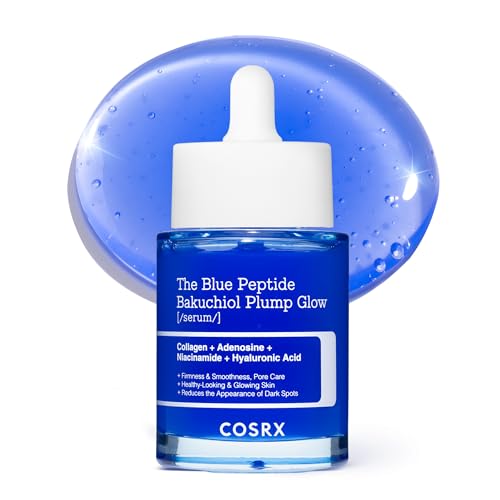
Dr. Pickart’s early research suggested that GHK-Cu could restore the hair growth cycle and increase follicle size, leading to thicker, stronger hair. It achieves this by improving blood circulation to the hair follicles, delivering essential nutrients and oxygen. Furthermore, its anti-inflammatory action can help create a healthier scalp environment, reducing conditions that might impede hair growth.
While human trials for hair growth are still relatively preliminary compared to skin studies, the mechanistic evidence is compelling. Many users report noticeable improvements in hair density and reduced shedding with consistent topical application. It is often considered a complementary therapy to other established hair growth treatments.
Ranking GHK-Cu Serums: What to Look For
When selecting a GHK-Cu product, several factors determine its efficacy and value. The concentration of GHK-Cu is paramount, with many effective serums containing between 0.5% and 2.5% GHK-Cu. However, a higher concentration is not always better; the formulation’s ability to deliver the peptide effectively is equally important.
The stability of the formulation is another critical consideration. GHK-Cu is relatively stable, but the presence of other ingredients can influence its longevity and activity. Look for products packaged in opaque, air-tight containers to protect against degradation from light and air. The absence of harsh chemicals, fragrances, and dyes is also preferable to minimize irritation, especially for sensitive skin.
Ingredient synergy matters. Some formulations combine GHK-Cu with other beneficial actives such as hyaluronic acid for hydration, antioxidants like vitamin E, or other growth factors to enhance overall results. Always check the full ingredient list for potential irritants or unnecessary fillers.
Comparison of GHK-Cu Product Types
| Product Type | Typical Concentration | Key Benefits | Application Method | Considerations |
|---|---|---|---|---|
| GHK-Cu Serums | 0.5% – 2.5% | Targeted anti-aging, skin repair, collagen stimulation | Topical (face, neck, décolletage) | Absorbs well, can be layered with other products. |
| GHK-Cu Hair Serums/Treatments | 0.2% – 1.5% | Hair growth, scalp health, reduced shedding | Topical (scalp) | Formulated for scalp penetration, may have specific applicators. |
| GHK-Cu Creams/Moisturizers | 0.2% – 1.0% | General anti-aging, hydration, barrier support | Topical (face, body) | Often combined with emollients, suitable for daily use. |
| GHK-Cu Supplements (Oral) | Varies (mg per dose) | Not established; no published trial has tested ingested GHK-Cu | Oral (capsule) | The GHK-Cu evidence base is topical or injected, and even topical permeation data is described as insufficient.[3] Copper is an essential nutrient that is toxic in excess.[4] |
That last row is worth more than a single line, because oral copper-peptide capsules are sold as “GHK-Cu supplements” and the research behind GHK-Cu does not extend to swallowing it. The published human and animal work applies the peptide to skin or injects it, and a search of the peptide literature returns no clinical trial of an ingested dose for skin or hair outcomes. The 2025 review that surveys GHK delivery routes concludes that even the topical permeability evidence is insufficient.[3] Read that as a gap in the evidence rather than a proven failure, because nobody appears to have run the study. Two things follow for a buyer. Any “systemic benefit” attached to an oral copper peptide is a marketing claim rather than a finding, and copper is an essential nutrient that is toxic in excess,[4] so an ingested copper product carries a dose ceiling that a topical serum does not. Every product ranked on this page is topical.
Integrating GHK-Cu into Your Skincare Regimen
GHK-Cu is generally well-tolerated and can be incorporated into most existing skincare routines. It is typically applied after cleansing and toning, before heavier creams or oils. For optimal absorption, apply to slightly damp skin. If you are using a vitamin C serum, it’s often recommended to apply GHK-Cu at a different time of day (e.g., GHK-Cu in the evening, vitamin C in the morning) to avoid potential interactions, although modern formulations often mitigate this concern.
For hair growth, GHK-Cu hair serums are typically applied directly to the scalp, massaged in, and left on. Consistency is key for both skin and hair applications; results usually become noticeable after 8-12 weeks of regular use. Patience and diligent application are essential for observing the full spectrum of benefits.

Finding Quality GHK-Cu Products on Amazon
When searching for GHK-Cu products on Amazon, it’s important to be discerning. Look for reputable brands with transparent ingredient lists and positive customer reviews that mention specific results. While specific product URLs are not provided, here are the types of products to search for:
Search for “GHK-Cu copper peptide serum” to find targeted facial treatments. These often come in dropper bottles and are formulated for direct application to the skin.
If your primary concern is hair thinning, search for “copper peptide hair growth serum” or “GHK-Cu scalp treatment.” These products are typically designed with specific applicators for scalp delivery.
For a more comprehensive approach, consider searching for “copper tripeptide-1 anti-aging cream” to find moisturizers that incorporate GHK-Cu alongside other hydrating and protective ingredients.
Conclusion
GHK-Cu copper peptide stands as a highly promising and evidence-backed active in the evolving landscape of skincare and hair health. Its ability to stimulate collagen and elastin, act as an antioxidant, reduce inflammation, and promote tissue repair makes it a compelling choice for those seeking advanced solutions for anti-aging, skin repair, and hair growth. By understanding its mechanisms and knowing what to look for in a quality product, you can effectively integrate GHK-Cu into your regimen and potentially unlock significant improvements in your skin’s vitality and hair’s strength.
Frequently Asked Questions (FAQ)
What is GHK-Cu and how does it work?
GHK-Cu is a naturally occurring copper peptide (glycyl-L-histidyl-L-lysine complexed with copper). It works by delivering copper ions to cells, which are vital for enzyme activity involved in collagen and elastin production, antioxidant defense, and tissue repair processes in the skin and hair follicles.
Can GHK-Cu be used with retinol or vitamin C?
GHK-Cu is generally compatible with most actives. While some older advice suggested separating GHK-Cu from strong acids like L-ascorbic acid (Vitamin C) or retinoids, modern formulations are often designed to be stable together. If you have sensitive skin, consider applying GHK-Cu at a different time of day (e.g., GHK-Cu in the morning, retinol at night) or on alternating days.

How long does it take to see results from GHK-Cu?
Visible improvements from GHK-Cu typically begin to appear after 8-12 weeks of consistent daily use. Full benefits, such as significant changes in skin elasticity or hair density, may take several months to manifest as cellular regeneration processes require time.
Are there any side effects of using GHK-Cu?
GHK-Cu is generally well-tolerated. Some individuals, particularly those with highly sensitive skin, might experience mild irritation or redness, especially when starting a new product. It’s always advisable to perform a patch test before applying it to a larger area.
Can GHK-Cu help with post-procedure recovery?
Yes, GHK-Cu has documented wound healing and anti-inflammatory properties, making it beneficial for post-procedure recovery. It can accelerate skin regeneration and reduce downtime after treatments like chemical peels, microneedling, or laser therapy. Always consult with your dermatologist before introducing new products post-procedure.
Is GHK-Cu suitable for all skin types?
GHK-Cu is generally considered suitable for most skin types, including sensitive skin, due to its anti-inflammatory properties. However, as with any active ingredient, individual reactions can vary. Start with a lower concentration and observe how your skin responds.
References
- Bauza E, Oberto G, Berghi A, Dal Farra C, Domloge N. Collagen-like peptide exhibits a remarkable antiwrinkle effect on the skin when topically applied: in vivo study. (Tests a synthetic collagen-like hexapeptide, not GHK-Cu.) International Journal of Tissue Reactions (2004). PMID 15648443
- Pickart L, Margolina A. Regenerative and Protective Actions of the GHK-Cu Peptide in the Light of the New Gene Data. International Journal of Molecular Sciences (2018). PMID 29986520 (authors affiliated with Skin Biology, a company that sells copper-peptide products)
- Mortazavi SM, Mohammadi Vadoud SA, Moghimi HR. Topically applied GHK as an anti-wrinkle peptide: Advantages, problems and prospective. BioImpacts (2025). PMID 39963574
- Cockell KA, Bertinato J, L’Abbé MR. Regulatory frameworks for copper considering chronic exposures of the population. American Journal of Clinical Nutrition (2008). PMID 18779310
These statements have not been evaluated by the FDA. This product is not intended to diagnose, treat, cure, or prevent any disease.
These statements have not been evaluated by the Food and Drug Administration. This information is not intended to diagnose, treat, cure, or prevent any disease. Content is for informational purposes only and is not medical advice; consult a qualified healthcare provider before starting any supplement. As an Amazon Associate we earn from qualifying purchases.
